Nakhichevan Khanate, 18th-century khanate
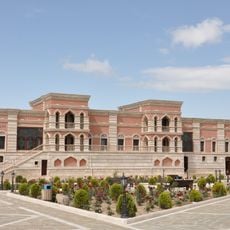
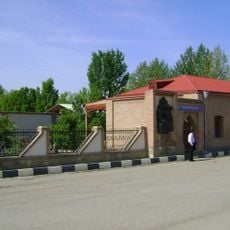
The Nakhichevan Khanate was a principality in the South Caucasus located in present-day Azerbaijan. It consisted of a city organized around trading routes with administrative buildings, residential quarters, and commercial areas that formed a functioning urban center.
The khanate was established in the 16th century as a semi-autonomous principality under Persian rule and continued as a distinct administrative unit until the early 20th century. Its history was shaped by control of trade routes and relations with neighboring powers.
The khanate was an important hub along the Silk Road where merchants, craftsmen, and people of different faiths gathered and traded. The city's layout and street names still reflect this mixing of cultures and the various craft traditions that developed here.
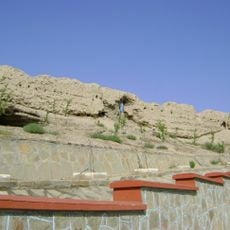
The khanate is today a historical site whose remains and monuments are mostly accessible on foot. Wear comfortable shoes and prepare for unpaved paths, as much of the area remains in its original state.
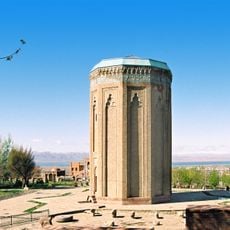
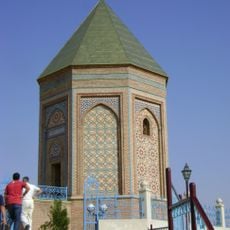
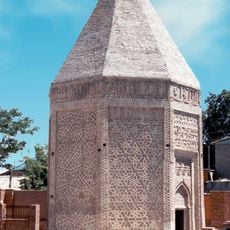
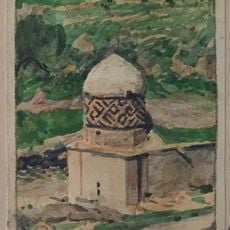
The remains show traces of multiple architectural styles reflecting the various conquests and influences this region experienced across the centuries. This layering of styles in the ruins tells the stories of successive rulers who shaped the place.
The community of curious travelers
AroundUs brings together thousands of curated places, local tips, and hidden gems, enriched daily by 92,569 contributors worldwide.