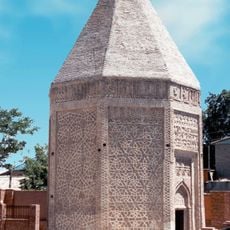
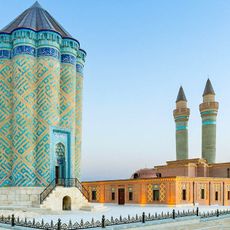
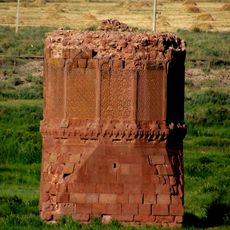
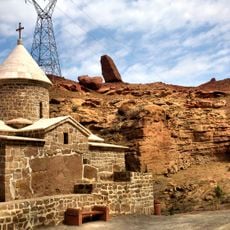
Noah’s Mausoleum, Mausoleum in Nakhchivan, Azerbaijan
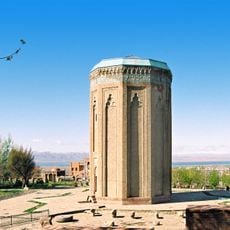
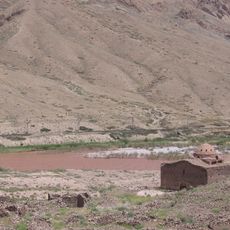
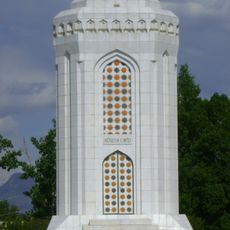
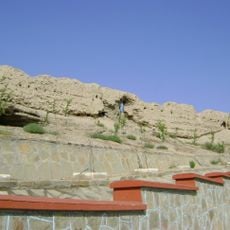
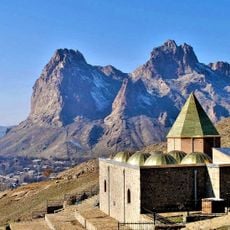
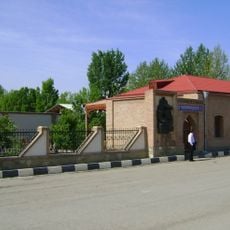
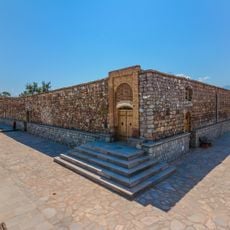
Noah's Mausoleum stands in the southern part of Nakhchivan, within the Köhnə Qala old fortress area. The present building, erected in 2006, incorporates the surviving lower storey of a former chapel: a nearly round vaulted interior with a central stone column, reached by a ladder down to the burial vault.
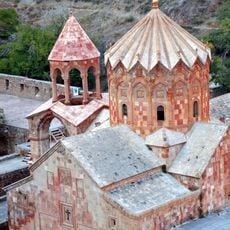
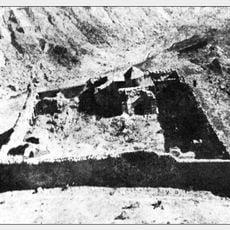
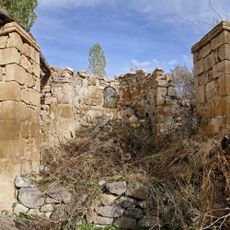
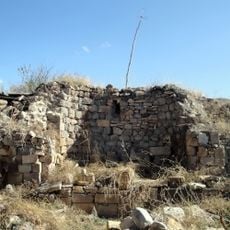
The site was originally a medieval Armenian church and monastery from the 12th or 13th century, later reduced to a chapel. The Soviets destroyed the original structure in 1953. The current mausoleum was built in 2006 over the destroyed remains, preserving the lower storey of the former temple.
Armenian pilgrims once came in crowds to the chapel, especially on feast days, to venerate Noah's grave and leave gifts. They pressed small pebbles onto the vault, believing that if a stone stuck, their wish would be granted. The 1852 Kavkazsky Kalendar listed the tomb among Nakhchivan's Christian monuments.
The mausoleum stands in the southern part of Nakhchivan, inside the Köhnə Qala (Old Fortress) area. Visitors descend a ladder into the burial vault, where a stone column rises in the middle of the chamber. The 2006 building preserves the remains of the lower storey of the former chapel.
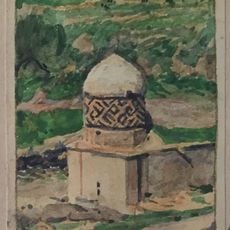
A painting by Bahruz Kangarli in the National Art Museum of Azerbaijan records how the tomb looked a century ago. The 19th-century traveller John Foster Fraser noted that Armenian pilgrims stuck small pebbles to the vault, believing that if they adhered their wishes would be granted.
The community of curious travelers
AroundUs brings together thousands of curated places, local tips, and hidden gems, enriched daily by 93,617 contributors worldwide.