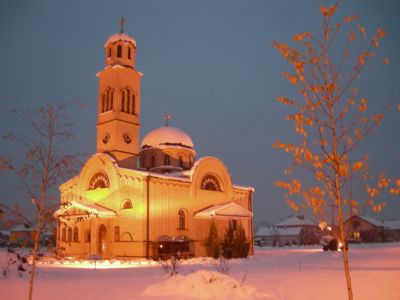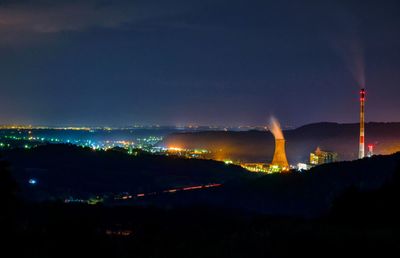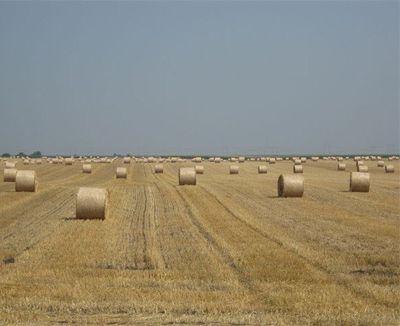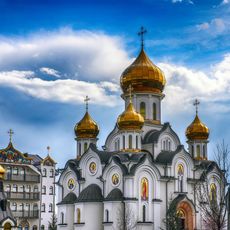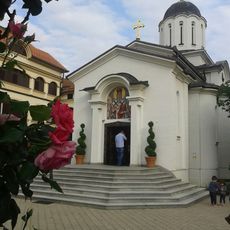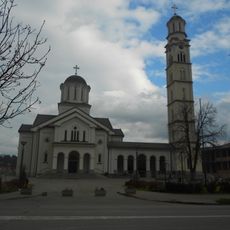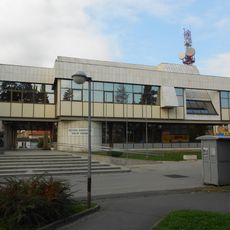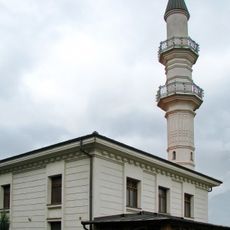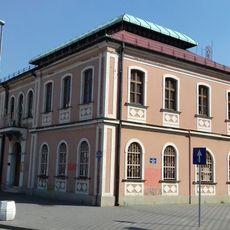
Semberija, Geographic region in northeastern Bosnia and Herzegovina
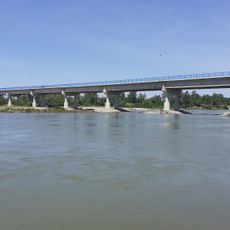
Semberija is a lowland region in northeastern Bosnia and Herzegovina stretching between the Drina and Sava rivers. The Majevica mountain forms its natural southern boundary and creates a clear geographic division.
Semberija was first mentioned in 1533, during Ottoman rule, when the area lay within the Bosnian Pashaluk and the Zvornik Sanjak. Before that it passed through Roman Pannonia, the Ostrogothic and Hunnic realms, the Kingdom of Hungary and the Banate of Bosnia. Austrian rule held it from 1718 to 1739, and in 1918 it joined the Kingdom of Serbs, Croats and Slovenes.
The region hosts traditional folk festivals where visitors encounter local music, dances, and clothing styles that reflect everyday life here. These expressions remain part of how communities mark their identity and celebrations.
The region divides into several municipalities, with Bijeljina being the largest, alongside Čelić, Lopare, and Ugljevik. Main facilities and services concentrate in these municipal centers.
Several local museums preserve objects and documents about agricultural history and social development in the region. These collections show how daily life and economic activities transformed over generations.
The community of curious travelers
AroundUs brings together thousands of curated places, local tips, and hidden gems, enriched daily by 94,230 contributors worldwide.