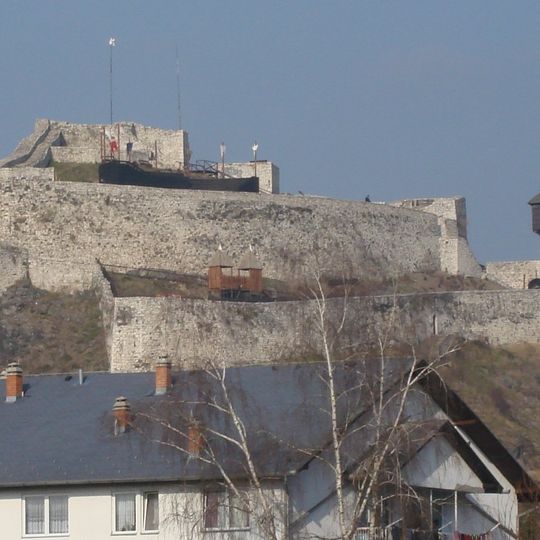
Fortress of Doboj, Medieval fortress in Doboj, Bosnia and Herzegovina
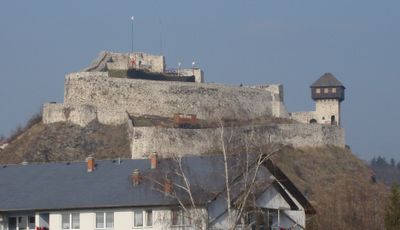
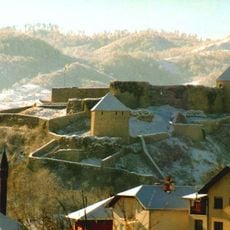
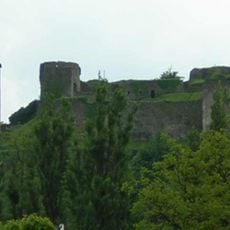
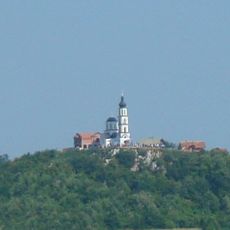
Fortress of Doboj is a stone fortification on a rocky hill above the Bosna valley, opposite the mouth of the Spreča. It has an irregular triangular plan with an upper and lower section, about 3,600 m² in total. The upper fort holds the main tower, a cistern, an economic building, a projecting southern tower and walls about 1 m thick.
Built in the early 13th century on the site of a 10th- or 11th-century clay-and-wood structure, the fortress was a key defense of the Usora banate. It was rebuilt in Gothic style in spring 1415, with a five-story keep and walls up to one meter thick. In 1449 King Stjepan Tomaš and Hungary agreed here on a joint campaign against the Ottomans; the area joined the Ottoman state in 1476. A captaincy was established by the 1739 Treaty of Belgrade, and the fort was abandoned in 1851.
The fortress is a national monument of Bosnia and Herzegovina, and its name Gradina comes from the rocky hill it stands on. The site is used for open-air events on the upper plateau, and visitors can see the six-sided Southern tower and the secret passage built into the east wall.
The fortress is accessible year-round and can be explored independently or with guided tours available through the local tourist office. Plan your visit for dry weather since the path up the hill can become slippery and muddy during rain.
The fortress was adapted into a modern wartime strongpoint during the Second World War, not the First: the Germans turned the southern tower, the main tabija and the upper fort's plateau into concrete bunkers, and the hall beneath the main tabija was covered with a concrete slab. The whole fortified area covers about 3,600 m².
The community of curious travelers
AroundUs brings together thousands of curated places, local tips, and hidden gems, enriched daily by 94,216 contributors worldwide.