Rangamati, human settlement
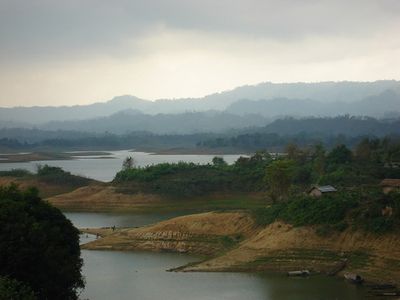
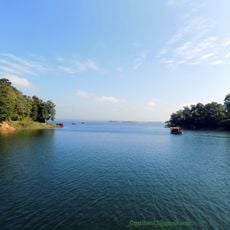
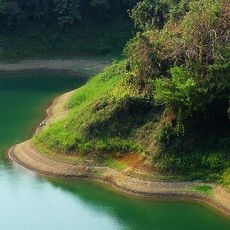
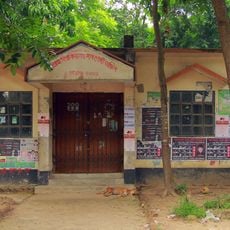
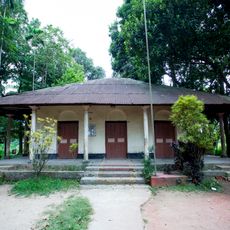
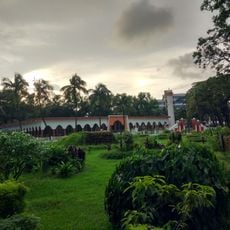
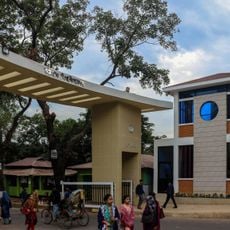
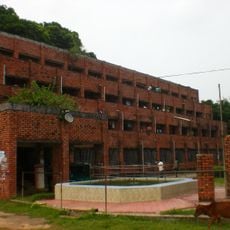
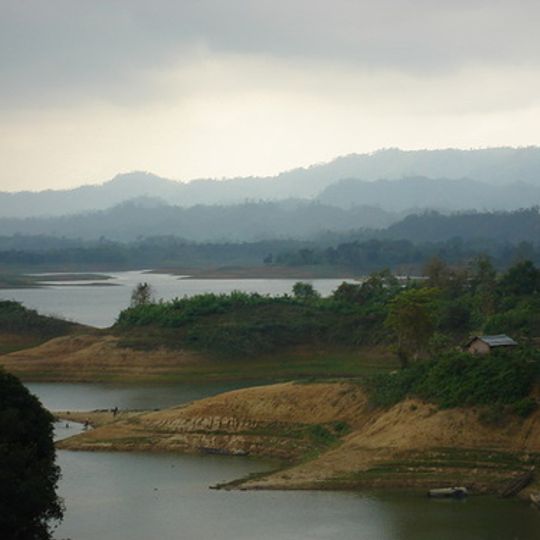
Rangamati is a town in the highlands of Bangladesh situated beside Kaptai Lake, the country's largest artificial lake. The town features narrow roads lined with simple wooden and bamboo homes, small workshops, and shops selling handwoven fabrics and wood carvings, all nestled among hills covered in dense forest.
Rangamati was controlled by various powers throughout history, including the Mughal Empire in the 1500s and later the East India Company. The region has been home to indigenous peoples like the Chakma and Marma for centuries, and their cultural heritage remains visible today.
Rangamati is known for its handcrafted textiles and wood carvings made by local artisans and sold in small shops throughout town. The indigenous communities like the Chakma and Marma wear traditional clothing during celebrations and maintain customs visible in daily life and local markets.
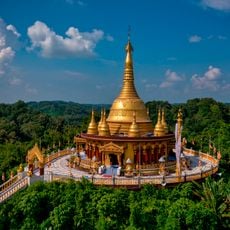
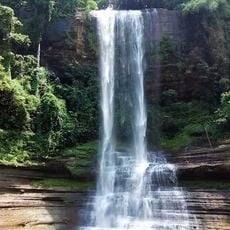
Rangamati is best explored by boat, with trips offering access to waterfalls, temples, and remote villages around the lake. Roads are simple and permits may be needed to explore deeper areas, so plan ahead and arrange transportation through local guesthouses that offer basic amenities and helpful service.
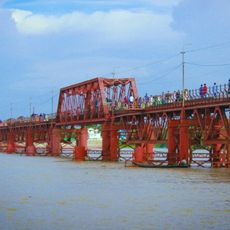
A notable feature is the hanging bridge across Kaptai Lake, a long wooden structure where you can look down and watch boats and fish in the water below. The lake itself was created by a dam built for hydroelectric power, transforming the landscape and reminding visitors of how water supports both nature and human needs.
The community of curious travelers
AroundUs brings together thousands of curated places, local tips, and hidden gems, enriched daily by 92,396 contributors worldwide.