Magura District, Administrative district in Khulna Division, Bangladesh
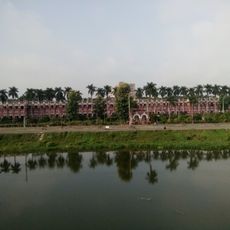
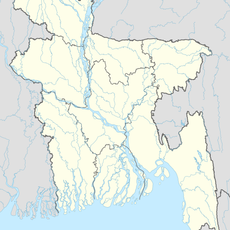
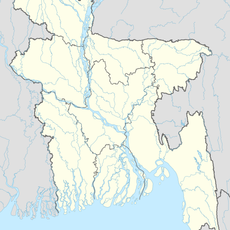
Magura District is an administrative region in southwestern Bangladesh characterized by flat plains and multiple river systems. The Gorai, Madhumati, and Nabaganga rivers flow through the landscape, shaping both the geography and how communities settle and work across the area.
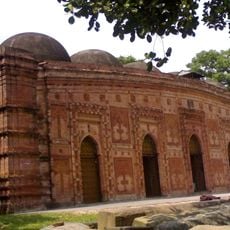
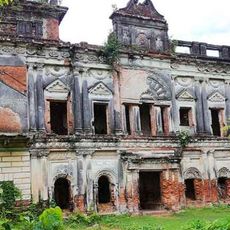
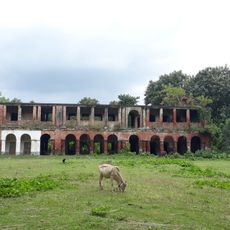
The region played a central role in the 1859 Indigo uprising, when laborers resisted exploitative colonial practices. Remnants of indigo processing facilities at sites such as Hajrapur and Boroi stand as physical reminders of this pivotal moment.
Local communities maintain generations-old Bengali performance traditions, with Jarigan and Jatra theater shows performed during festivals and local celebrations. These art forms remain woven into the social life of villages and towns throughout the region.
The district is divided into four administrative subdivisions containing numerous villages and grassroots councils across the landscape. Waterways and river transport remain important for getting around, so understanding local travel patterns helps with planning.
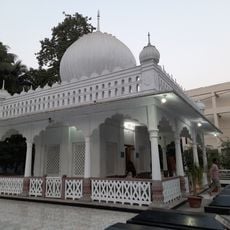
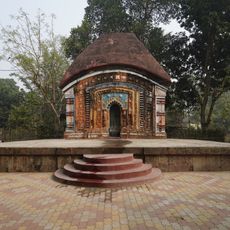
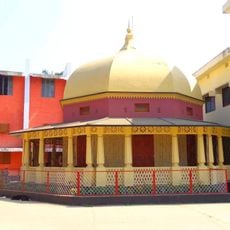
The district is the birthplace of cricket player Shakib Al Hasan, whose international career brought global recognition to the region. The area also preserves historical sites including the Ghat of Nader Chand and the shrine of Pir Mokerram Ali.
The community of curious travelers
AroundUs brings together thousands of curated places, local tips, and hidden gems, enriched daily by 90,914 contributors worldwide.