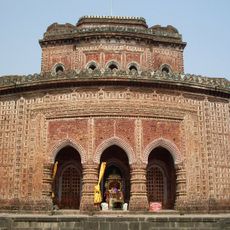
Dinajpur Rajbari, Royal palace in Dinajpur, Bangladesh
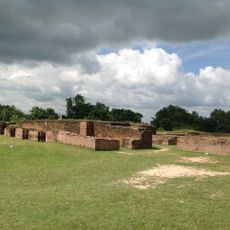
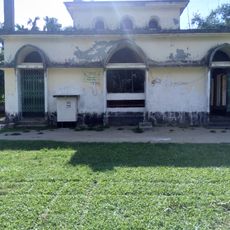
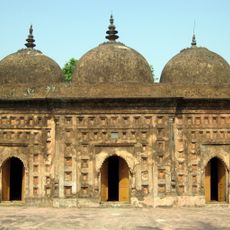
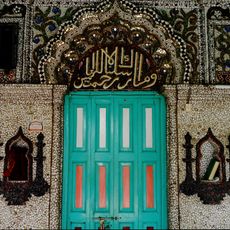
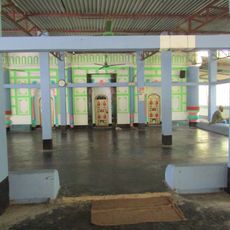
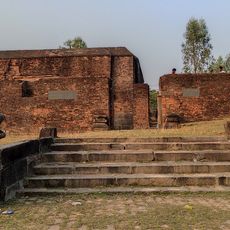
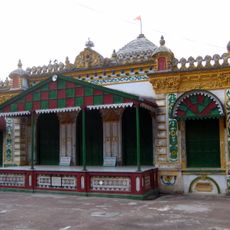
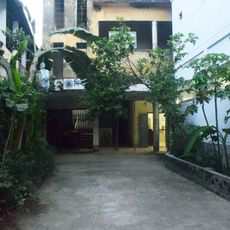
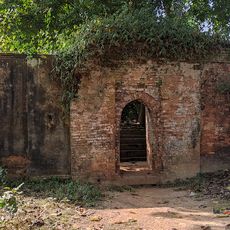
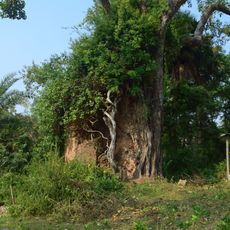
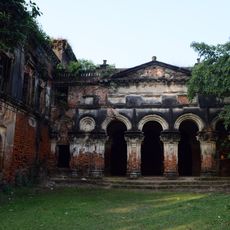
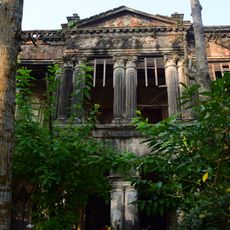
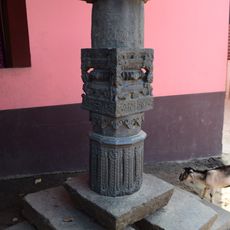
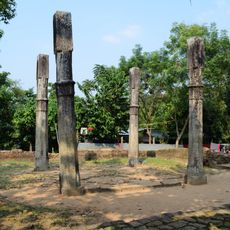
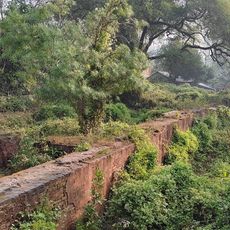
Dinajpur Rajbari is a palace complex in Dinajpur city that spans a large area and contains multiple buildings with semi-Corinthian columns, grand halls, courtyards, and decorative archways. The compound is located in the north-eastern part of the city and remains accessible through a western entrance gate, though many structures show signs of age and weathering.
The palace's origins are debated: local historians credit Raja Dinaraj Ghosh, while documents name King Srimanta Dutta, and some attribute it to Raja Ganesha in the early 15th century. The Aina Mahal was built during the reigns of Prananath and Ramnath. The Rajbari served as a symbol of greater Dinajpur district from 1806 to 1951, when it was abandoned after the abolition of the zamindari system.
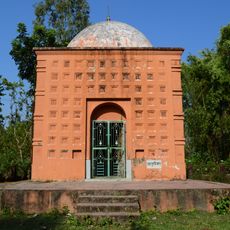
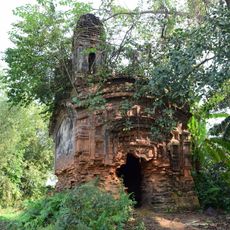
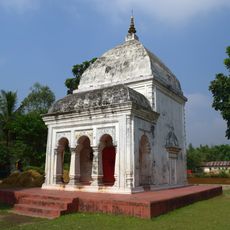
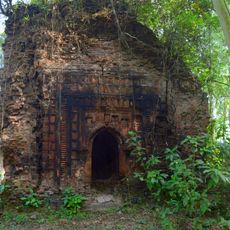
The palace grounds contain several Hindu temples, including a Krishna temple in the main compound and another temple with a flat roof on the eastern side. These shrines reflect the spiritual importance the place held for the ruling family and the surrounding community.
The complex is located in the north-eastern part of the city and can be entered through the main western gate, though visitors should move carefully as some areas are in disrepair. It is best to visit during daylight hours and wear comfortable shoes, as you will walk through various halls and courtyards.
The palace's name gave the surrounding village its name: the area is known as Rajbati, and the village was named after the old royal house. The Bengali name of the district, Dinajpur, is traced by local accounts to Raja Dinaraj Ghosh, an official of Ganeshanarayan of Gauda (1414–1418).
The community of curious travelers
AroundUs brings together thousands of curated places, local tips, and hidden gems, enriched daily by 94,243 contributors worldwide.