Megaliths of Wéris, Archaeological site with dolmens and menhirs in Durbuy, Belgium
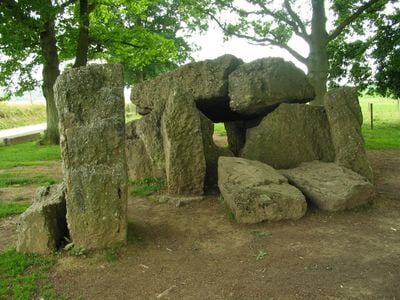
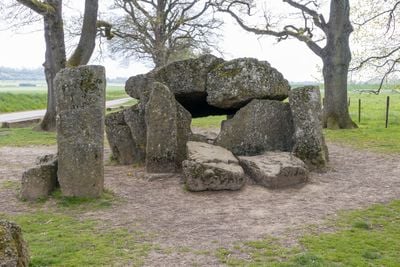
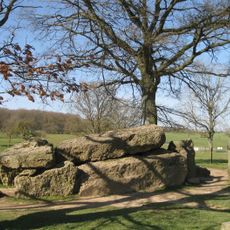
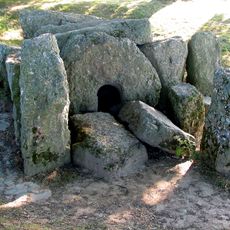
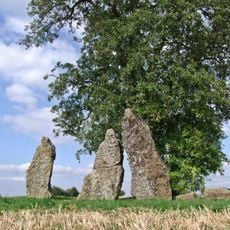
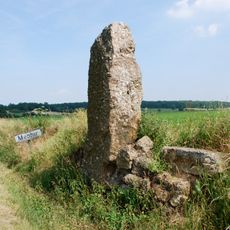
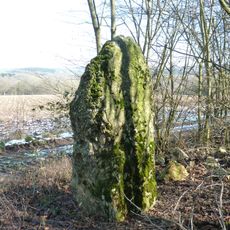
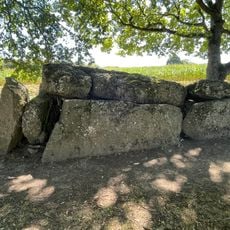
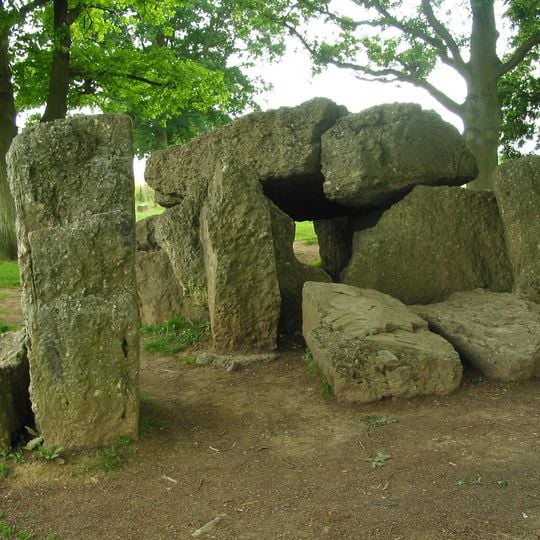
The Megaliths of Wéris form Belgium's largest megalithic field, stretching about 8 km from Izier to Oppagne across Durbuy. It comprises two covered alleys (Wéris I and Wéris II) with associated menhirs and six menhir-only sites, all built from local pudding stone. Wéris I measures 10.80 m long and 4.60 m wide, with a vestibule, a chamber and a slab behind the chevet; its entrance was preceded by three menhirs.
The two dolmens were built by the Seine-Oise-Marne culture in the late Neolithic, around 3000–2500 BC, and used as collective tombs. Wéris I was first recorded in 1851 by J.-B. Geubel, identified as a megalithic monument in 1879, and acquired by the State in 1883. Wéris II was discovered in 1888. Seven menhirs buried in the 17th century were unearthed in 2019 and re-erected in 2023.
These stones served as burial places where communities gathered to honor their dead and perform rituals together. The stones held deep meaning for the people who built them, marking spots where the living and spiritual worlds met.
The megaliths lie scattered between Izier and Oppagne, across Heyd, Wéris, Morville and Ozo, so a car or bike helps link the two dolmens and the menhir sites. Paths are on bare earth and grass; wear sturdy shoes. The Maison des Mégalithes in Wéris village explains the site before or after your walk.
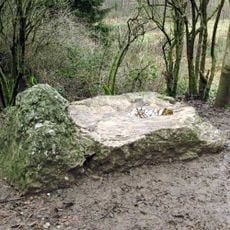
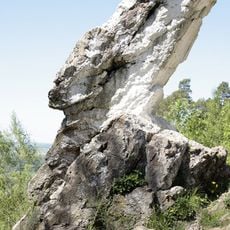
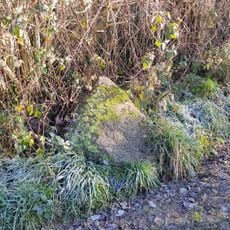
In 2019 excavations revealed seven menhirs that had been buried in the 17th century; they were re-erected in 2023. The site also holds three natural boulders with striking shapes, such as the Duivelsbed (Devil's Bed) and Pas-Bayard, which are often counted as part of the megalithic network.
The community of curious travelers
AroundUs brings together thousands of curated places, local tips, and hidden gems, enriched daily by 94,617 contributors worldwide.