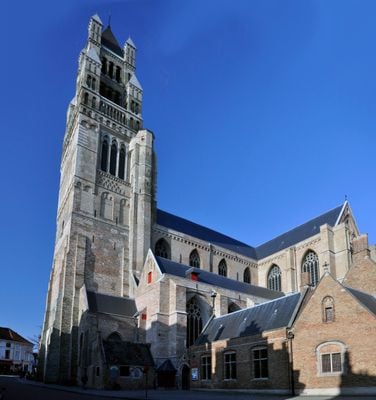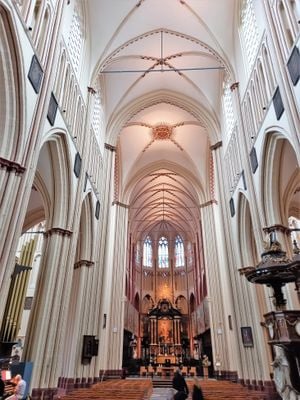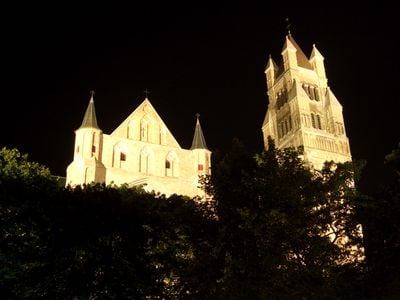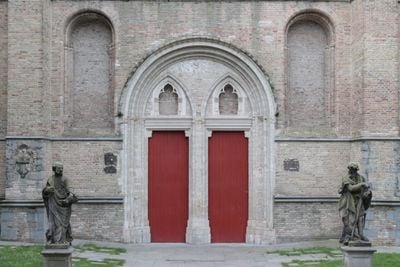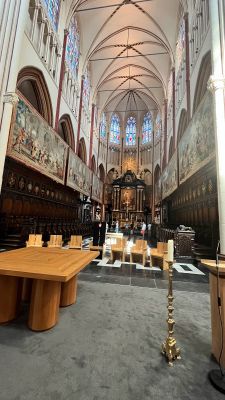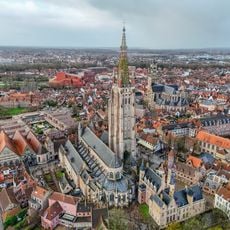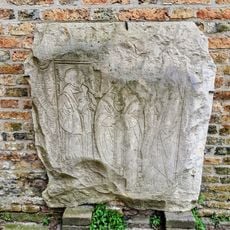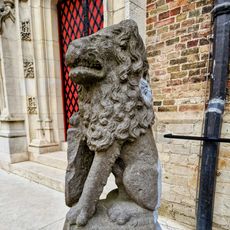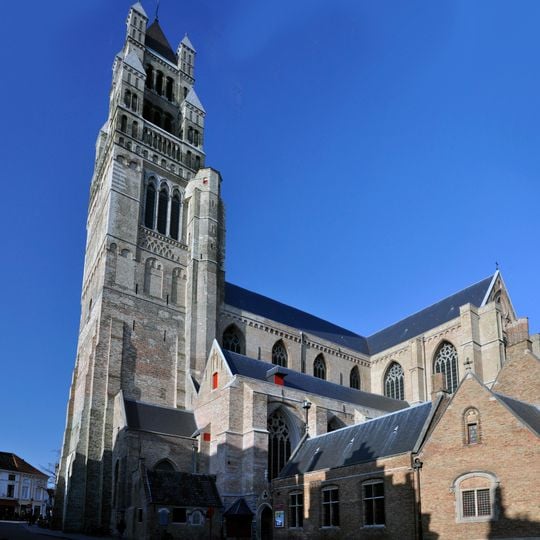
Sint-Salvatorskathedraal, Gothic cathedral in Bruges, Belgium.
Sint-Salvatorskathedraal is a brick cathedral in Bruges that blends Gothic, Gothic Revival, and Romanesque Revival architectural styles throughout its structure. A 115-meter tower rises prominently above the city and shapes the urban skyline.
The building began as a parish church in the 12th century and gained cathedral status in 1834 following Belgium's independence from France. This transformation marked an important shift in the building's role and importance.
The cathedral houses an extensive collection of Flemish paintings from the 14th to 18th centuries, showcasing works by masters like Dieric Bouts that depict religious and daily scenes from that era.
Visiting at specific times is necessary, so checking opening hours in advance is helpful. The location sits centrally in the old town and is easily reached on foot.
The brick tower ranks among the tallest of its kind globally and demonstrates the exceptional skills of medieval Bruges craftspeople. This technical achievement makes the building a notable example of construction expertise from that period.
Location: Bruges
Inception: 1275
Architectural style: Gothic architecture, Gothic Revival, Romanesque Revival architecture
Accessibility: Wheelchair accessible
Made from material: brick
Address: Steenstraat
Opening Hours: Monday-Friday 14:00-17:30; Saturday 14:00-15:30; Sunday 14:00-17:00
Phone: +3250336188
Website: https://sintsalvatorskathedraal.be
GPS coordinates: 51.20550,3.22159
Latest update: December 6, 2025 16:03
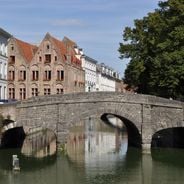
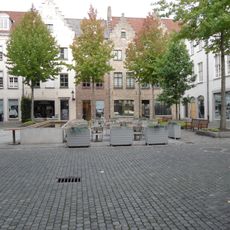
Bruges contains a notable set of buildings that tell the story of the city in the Middle Ages. From stone-faced churches to small paved squares, and canals winding between old houses, these places show how important trade and culture were during the 13th to 15th centuries. Every building and street corner bears the marks of this lively time. Walking through the city, you will see impressive churches like Saint-Saviour Cathedral, open spaces where markets and trade shaped daily life, and museums that keep traces of that past. The canals, part of the city’s features, were used for trade for many years and are still one of the most easy to recognize parts of Bruges. This set of sites offers a clear look at what a large medieval city was like. Walking in Bruges means following the paths of art, trade, and daily life from long ago. These monuments are not separate. They come together to show how people lived, worked, and gathered in this important town.
Church of Our Lady
222 m
Sint-Janshospitaal
199 m
Gruuthusemuseum
220 m
Concertgebouw
310 m
Prinsenhof Brugge
353 m
Arentshuis
249 m
Arentshof
280 m
Zilverpand
192 m
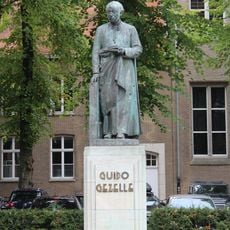
Guido Gezelle
179 m
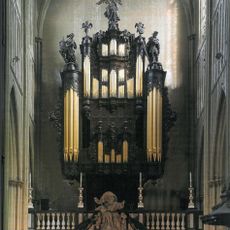
Kathedral organ of Brugge
0 m
Madonna of Bruges
217 m
Huis 't Schaep
133 m
Godshuis Spanoghe
297 m
De Gouden Haspe and De Kleine Haspe
293 m
Oude Burg 17-19
275 m
Pax tecum
204 m
Zilversteeg
112 m
Nieuwstraat 11
225 m
De Meyboom
112 m
Katelijnestraat 1-3
289 m
Bonifatiusbrug
272 m
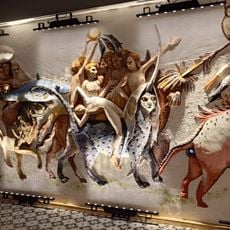
Musea Sculpta 3D Museum
93 m
Juan Luis Vives
271 m
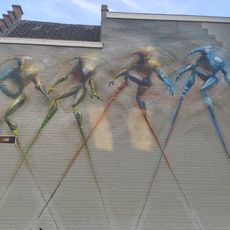
The Four Horsemen of the Apocalypse
282 m
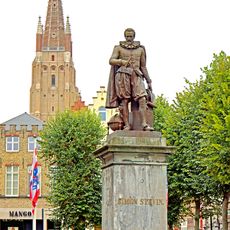
Simon Stevin
146 m
Gruuthusebrug
237 m
Gruuthusemuseum
246 m
Godshuis Spanoghe
306 mVisited this place? Tap the stars to rate it and share your experience / photos with the community! Try now! You can cancel it anytime.
Discover hidden gems everywhere you go!
From secret cafés to breathtaking viewpoints, skip the crowded tourist spots and find places that match your style. Our app makes it easy with voice search, smart filtering, route optimization, and insider tips from travelers worldwide. Download now for the complete mobile experience.
A unique approach to discovering new places❞
— Le Figaro
All the places worth exploring❞
— France Info
A tailor-made excursion in just a few clicks❞
— 20 Minutes