Le Cheslé, Celtic archaeological ruins in Bérismenil, Belgium.
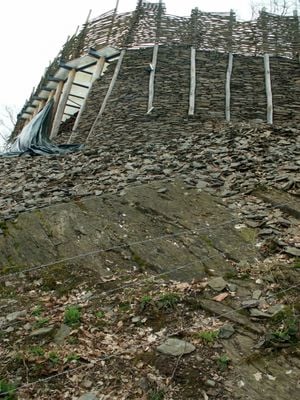
Le Cheslé is a Celtic fortified settlement spread across several hectares of land and surrounded by a double rampart system. The remains of this ancient structure are still visible on the site today and show the architecture of a prehistoric defensive installation.
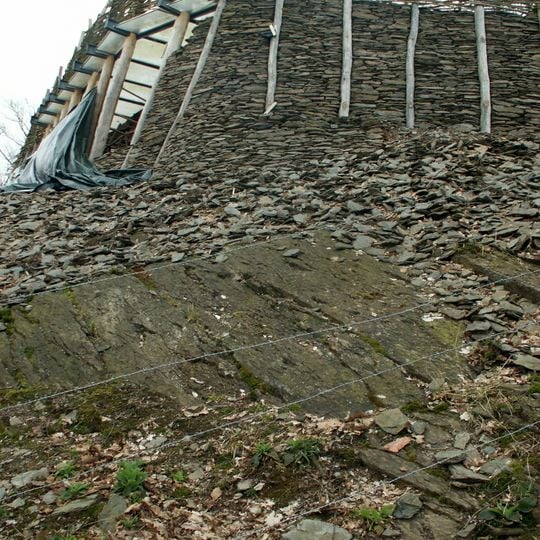
Le Cheslé is a Celtic hillfort from the early Iron Age, occupied between the 8th and 6th centuries BCE, when it served as a refuge for the inhabitants of nearby villages rather than a permanent settlement. Excavations since 1960 and a reconstruction by the National Excavations Service in 1980 uncovered the defences, including a rampart about 6 metres high at the narrow northern neck.
Local tradition holds that this hard-to-reach promontory was the lair of elves. The Legend of the Golden Gatte tells of a treasure lying in a well at the centre of the Cheslé, surfacing each Christmas at the twelfth stroke of midnight mass; whoever would seize it must throw a black hen into the pit and carry off the chest without a word. Three farmers who tried and boasted too loudly vanished forever.
The site lies near La Roche-en-Ardenne and is only accessible by hiking trails. Visitors should prepare for uneven ground and wear sturdy footwear, as the archaeological site offers no special facilities.
Local legend tells of the Gatte d'or, a treasure said to lie in a well at the centre of Le Cheslé. It supposedly rises to the surface each Christmas at the twelfth stroke of midnight Mass; anyone seizing it must throw a black hen into the pit and keep silent. Three farmers who boasted of success vanished forever.
The community of curious travelers
AroundUs brings together thousands of curated places, local tips, and hidden gems, enriched daily by 94,035 contributors worldwide.