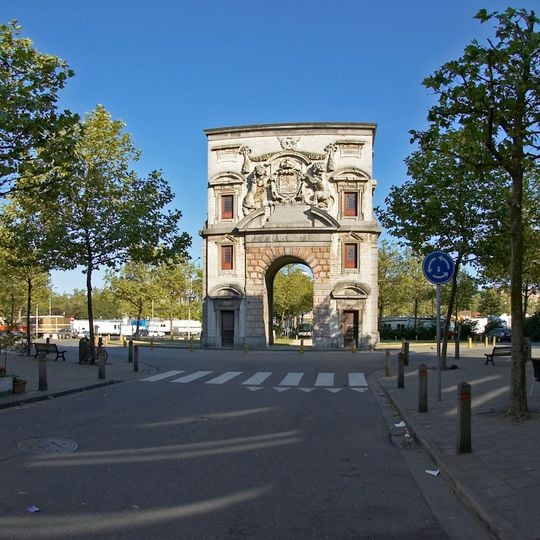
Waterpoort, Baroque city gate in Antwerpen, Belgium
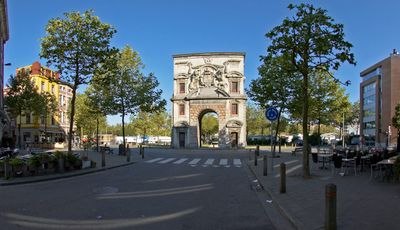
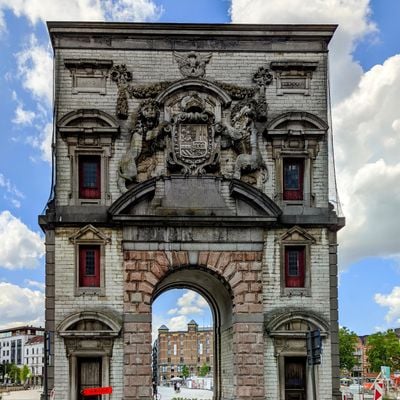
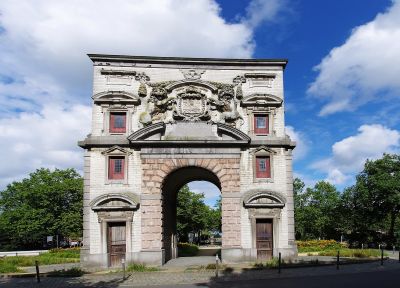
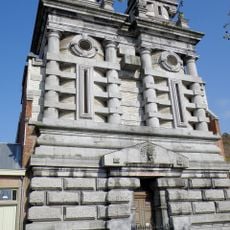
Waterpoort is a gate built from white natural stone with blue limestone and granite accents, distinguished by rounded arches and decorative fruit garlands. The structure combines robust pillars with fine ornamental details that give the entrance a formal and imposing presence.
Built in 1624 to honor Philip IV of Spain, it originally served as a passage between the Scheldt river and the city walls. Its role changed over time as the city expanded, and it eventually became a historical landmark rather than a functional gateway.
The ornate decorations reflect the hand of master sculptors and architects who shaped it with Baroque refinement, including fruit garlands and carefully crafted details. This kind of artistic embellishment tells visitors about the ambitions and pride that the city held during its most prosperous period.
Located at Gillisplaats in the South district, the gate is easy to reach on foot from the city center. Since it is an open-air monument, it is best visited during daylight hours when the surroundings are well lit and you can see all its architectural details.
Known as the walking gate, it was physically moved twice during the city's modernization: first in the 1880s and again in 1936. This relocation history makes it a rare example of how historical structures were adapted to fit a changing urban landscape.
The community of curious travelers
AroundUs brings together thousands of curated places, local tips, and hidden gems, enriched daily by 91,198 contributors worldwide.