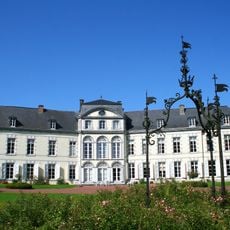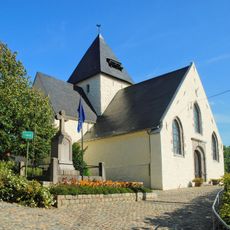
Bois-Seigneur-Isaac Abbey, Medieval abbey in Braine-l'Alleud, Belgium
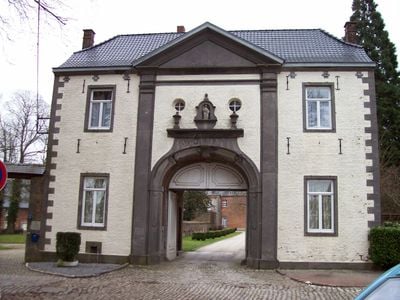
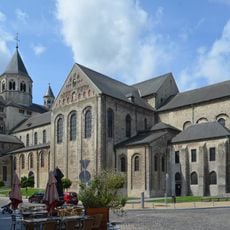
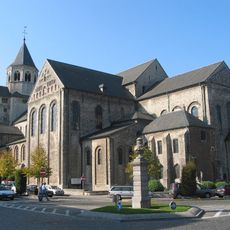
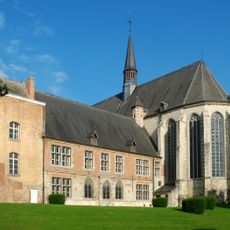
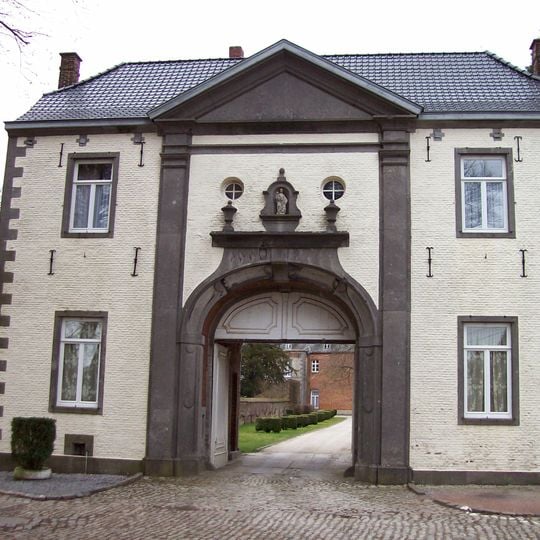
The abbey is a medieval religious community in Braine-l'Alleud centered on a Gothic chapel with decorated choir stalls, a 16th-century ceiling with artistic elements from different eras, and supporting structures that developed over centuries. The layout reflects how monastic life was organized around worship and daily activities.
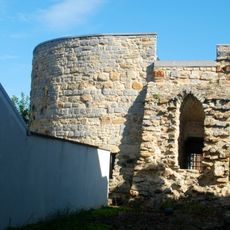
In 1405 the parish priest of Ittre reported a host bleeding in the chapel; the bishop of Cambrai recognised the miracle in 1410 and allowed pilgrimage. Augustinian canons arrived in 1413 and the priory became an independent abbey in 1416, joining the Congregation of Windesheim. Troops of William of Orange ravaged it in 1580; the French Revolution suppressed it in 1795. Premonstratensians from Mondaye bought and rebuilt the ruins in 1903, and Pius XI raised it to an abbey on 9 March 1925. Since 1 January 2010 it has been a Lebanese Maronite monastery.
The chapel keeps the corporal stained with six blood marks from the 1405 host, shown in the old sacristy. A Fraternity of the Holy Blood founded in 1900 still organises processions of the sacrament through the village streets on the Friday before Pentecost, 1 July and the Sunday after 8 September.
The site is maintained by a religious order and welcomes visitors throughout the year to explore its spaces. Visitors should expect varying light levels in older sections and consider wearing appropriate clothing for a religious setting.
The corporal stained with six blood marks from the 1405 host is kept in the old sacristy, next to the Gothic chapel. A stone set in the choir floor marks the exact spot of the miracle. Since 2010 the Maronite monks also keep relics of Saint Charbel Makhlouf, a 19th-century Lebanese hermit.
The community of curious travelers
AroundUs brings together thousands of curated places, local tips, and hidden gems, enriched daily by 94,550 contributors worldwide.