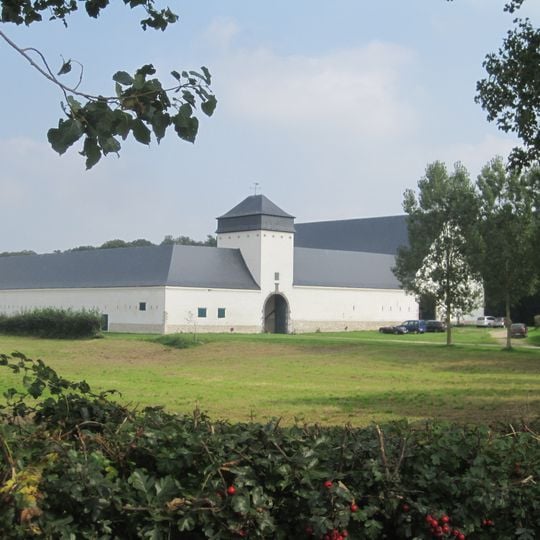
Wahenges Farm, Historical farm in L'Écluse, Belgium.
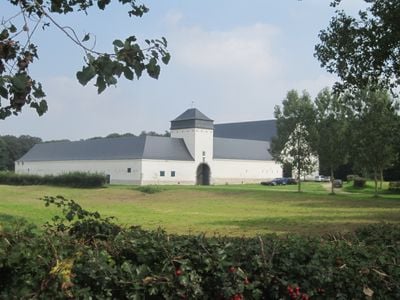
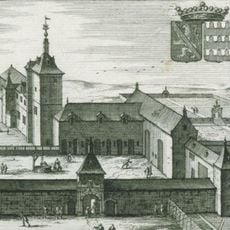
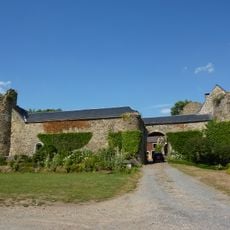
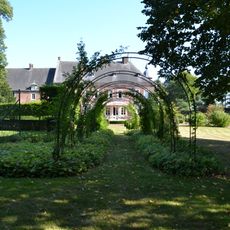
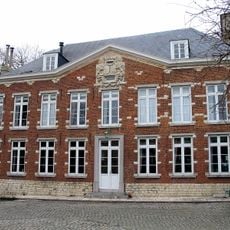
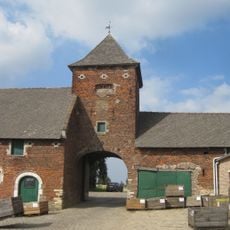
Wahenges Farm is a rural estate with lime-washed brick and Gobertange sandstone buildings arranged symmetrically around a central courtyard. The structures were rebuilt between 1718 and 1784, forming a closed farmyard layout typical of that period.
The site began as a Gallo-Roman villa and became a monastery farmhouse by the 12th century. It received its current architectural form during the Baroque period when it was remodeled to support a wealthy rural household.
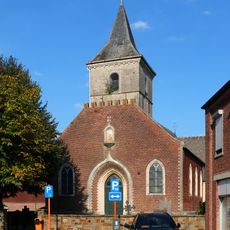
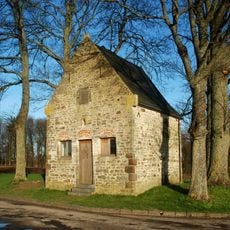
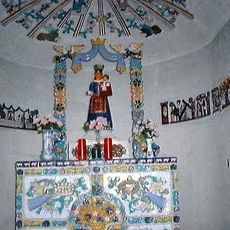
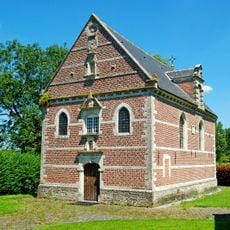
The farm's chapel is dedicated to Saint Nicolas and features French wallpaper from the Züber workshops, installed during renovations in the early 1800s. These decorative elements reflect the wealth and cultural connections of the farming family to fashionable trends of that era.
The property remains active as a working farm but welcomes visitors interested in learning about regional architecture and traditional farming practices. The grounds are easily walkable and offer clear views of the classic Hesbaye agricultural layout.
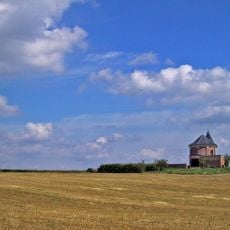
A distinctive dovecote from 1724 marks the entrance and signals the former prosperity of this farming operation. The interior rooms preserve decorative elements from multiple periods, showing how the residents' tastes evolved over generations.
The community of curious travelers
AroundUs brings together thousands of curated places, local tips, and hidden gems, enriched daily by 91,398 contributors worldwide.