Ethnographic Institute and Museum, Ethnographic museum in central Sofia, Bulgaria
The Ethnographic Institute and Museum in Sofia presents an extensive collection of objects that document traditional life in Bulgaria across various time periods. The holdings include handmade clothing, tools, household equipment, and crafts from different parts of the country.
The museum was founded in 1892 to preserve and study Bulgaria's material culture and traditional ways of life. After moving in 1954 to a former royal palace building, it could permanently display its collections and expand its research work.
The museum displays craft techniques and everyday objects from different Bulgarian regions, showing how people traditionally lived and worked across the country. Visitors can observe how regional differences in handicrafts, jewelry, and household items reflect the land's diverse identity.
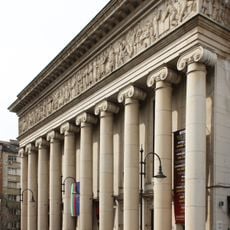
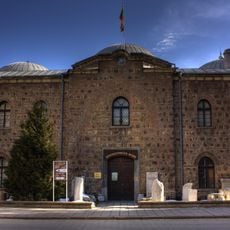
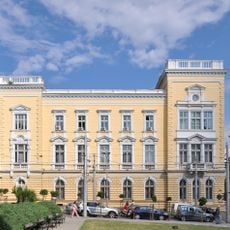
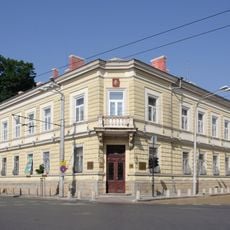
The museum occupies the east wing of the former Royal Palace, shared with the National Gallery, and is part of the Hundred National Tourist Sites. The building was declared a monument of national importance in 1978. The palace wing housed the royal family's bedrooms, reception rooms and private offices; the institute is not wheelchair accessible.
The institute's scientific archive holds over 3,000 archival units, about 500,000 pages, 100,000 negatives and 5,200 old photographs and portraits. Its library keeps more than 25,000 publications, some of them the only copies in the country, including the "Studii Romani" collection of books on Roma communities.
The community of curious travelers
AroundUs brings together thousands of curated places, local tips, and hidden gems, enriched daily by 95,303 contributors worldwide.