Augusta Traiana, ancient city in Thrace, now known as Stara Zagora, Bulgaria
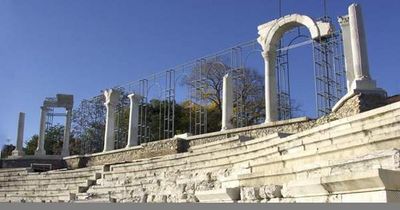
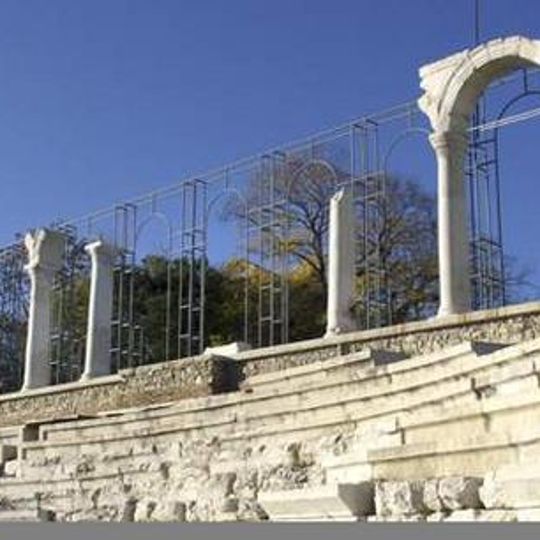
Augusta Traiana was a Roman city in the area of present-day Stara Zagora, covering about 38 hectares in a plain south of the Balkan Mountains. The ruins reveal the layouts of city walls, streets, residential buildings, public bathhouses, and a marketplace where archaeologists found the base of an equestrian statue.
The city was founded around 106 CE under Emperor Trajan and served as a trade and travel hub due to its strategic location. It was later destroyed, rebuilt under Byzantine Emperor Justinian who reinforced its walls, though it faced renewed invasions around 376 to 378 CE.
The name Augusta Traiana honors Emperor Trajan and reflects Roman rule over the region. The remains of marketplaces and bathhouses show how residents organized their daily lives and gathered in these public spaces.
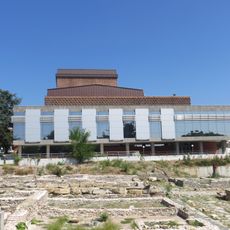
Visitors today can explore the archaeological excavations and see the outlines of city walls, the marketplace, and the bathhouses. A nearby Roman museum displays coins, sculptures, and mosaics that illustrate daily life in the ancient city.
An underground mosaic exhibit is accessible through the museum and displays the intricate mosaic work from antiquity. This hidden collection requires asking museum staff for directions, making it an often overlooked treasure for curious travelers.
The community of curious travelers
AroundUs brings together thousands of curated places, local tips, and hidden gems, enriched daily by 92,395 contributors worldwide.