Hochelaga, Archaeological site in Ville-Marie, Canada
Hochelaga was a fortified Iroquois settlement near Mount Royal in Montreal with several longhouses and wooden palisades. The site now lies in the center of the city, where archaeological excavations have uncovered pottery shards and other remains.
Jacques Cartier visited the village on October 3, 1535, during his second voyage of exploration along the St. Lawrence River. When French settlers returned in the 17th century, they found no trace of the community.
The name Hochelaga likely comes from an Iroquoian term meaning "beaver dam" or "big rapids," referring to the Lachine Rapids. A folk explanation among Mohawks at Kahnawake says it means "people of the shaking hands," from Cartier's enthusiastic greeting. The name survives in Montreal's Hochelaga-Maisonneuve neighbourhood and the Osheaga Festival.
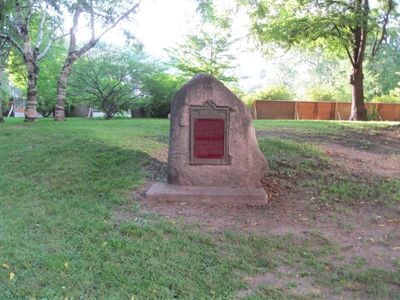
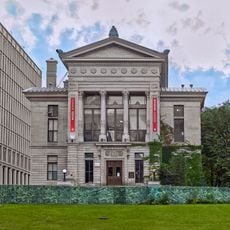
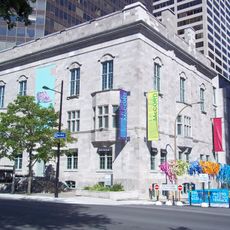
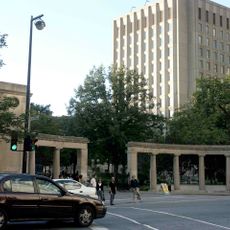
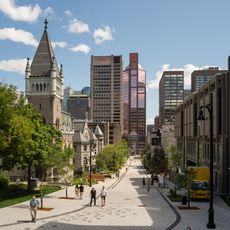
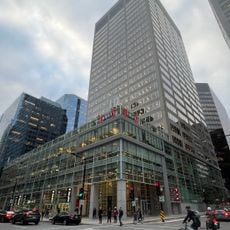
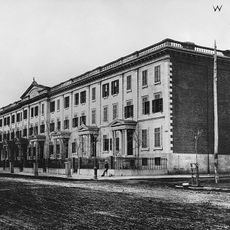
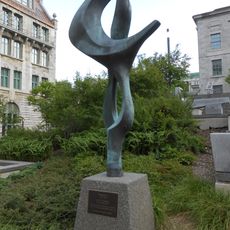
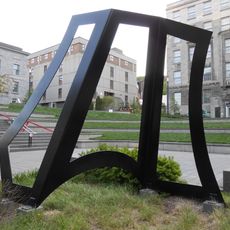
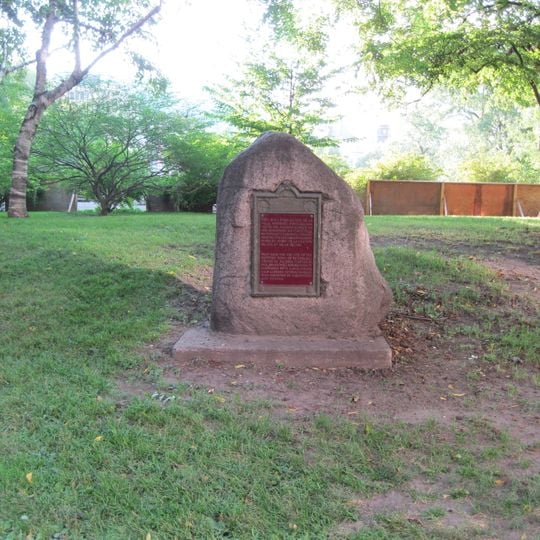
A national historic site marker stands near McGill University in downtown Montreal. Visitors can walk to the intersection of Sherbrooke and Peel streets, where excavations took place and interpretive panels offer information.
The stone marker placed in 1925 near McGill University is not on the exact site of the village, which remains unknown. Archaeologists have excavated on Mount Royal's summit, around the basin, and in Jeanne-Mance Park without finding traces of Hochelaga.
The community of curious travelers
AroundUs brings together thousands of curated places, local tips, and hidden gems, enriched daily by 94,020 contributors worldwide.