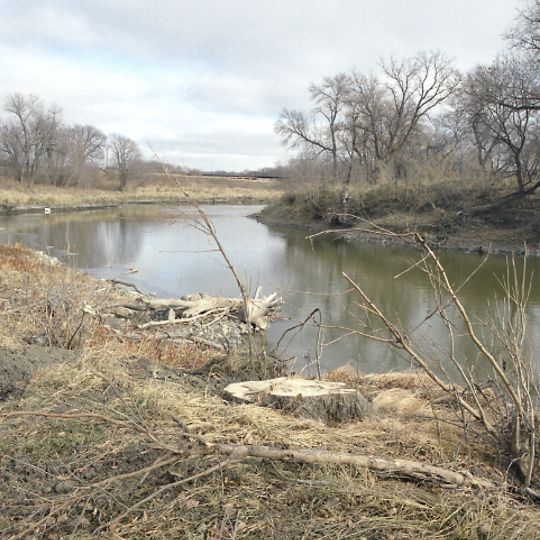
Red River of the North, River in Manitoba, Canada
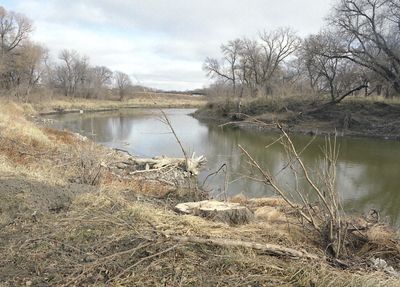
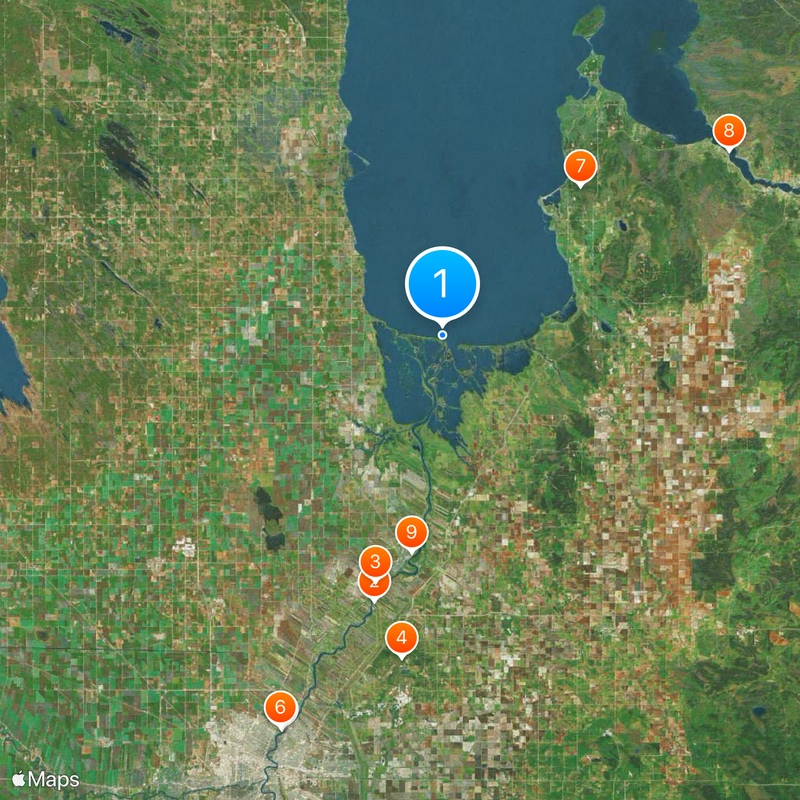
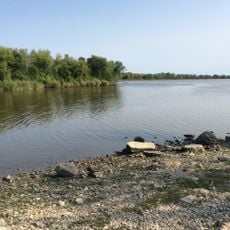
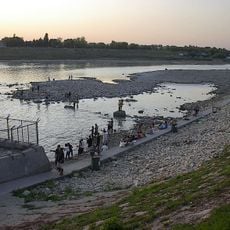
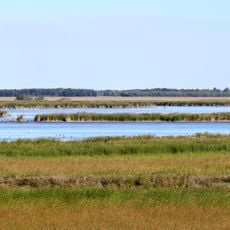
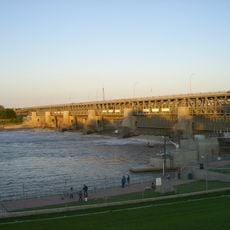
The Red River of the North is a waterway in Manitoba that flows northward into Lake Winnipeg after crossing three provinces and states. The water moves slowly through flat terrain, forming numerous meanders and wide flood plains along its course.
The first Europeans reached the banks in the 18th century and used it as a transport route for trade goods. Settlement along the water led to the founding of the Red River Colony, which contributed to the development of the region.
The name comes from the Anishinaabe language and refers to the reddish sediment that clouds the water during spring melt. Communities along the banks today include descendants of people who once relied on the fur trade and the waterway for their livelihood.
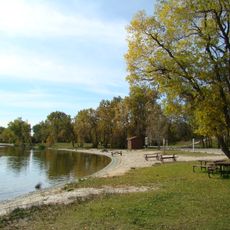
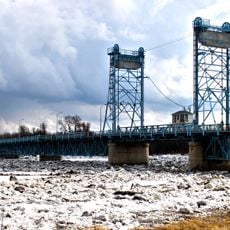
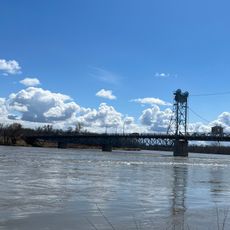
Access to the water is possible at many points along its length, though some sections may be flooded during spring melt. Visitors should consider the season, as water levels in spring are much higher than in summer.
The waterway is one of the few major rivers in North America that flows northward and loses minimal elevation along the way. This flat gradient means the current is sluggish and water spreads far beyond the banks during high flow.
The community of curious travelers
AroundUs brings together thousands of curated places, local tips, and hidden gems, enriched daily by 91,881 contributors worldwide.