Port of Halifax, Maritime terminal in Nova Scotia, Canada
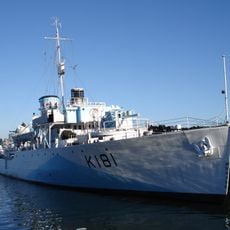
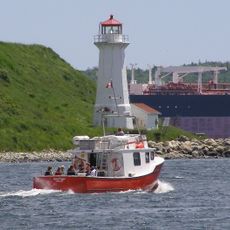
The Port of Halifax is a major maritime facility on Canada's Atlantic coast that handles cargo and ships from around the world. It connects to railway networks across North America and serves as a gateway for trade with Europe and Asia.
The Royal Navy used Halifax Harbour from 1758 until 1905, when the dockyards were handed to the Canadian government. Before World War I the Ocean Terminals project built new piers and a railway through the South End; the first pier opened in the early 1920s. In 1917 the munitions ship Mont Blanc exploded after colliding with the Imo, killing 2,000 people and injuring 9,000.
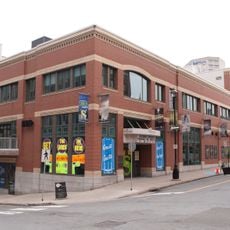
Pier 21, now a museum, was the arrival hall opened in 1928 for immigrants; about one million people passed through it. The Canadian Museum of Immigration at Pier 21 occupies the site, and the cruise pavilion next door still receives ships from April to November.
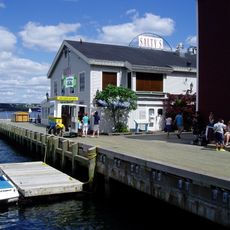
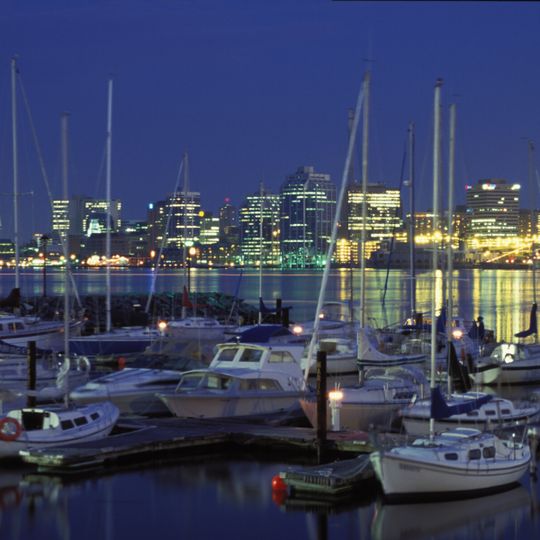
The port is located right in downtown Halifax and is accessible by public transit including train connections. Visitors can walk along the waterfront promenade and access museums and exhibition spaces within the port area.
This port has a natural geographic advantage over other East Coast harbors for trade with Europe and Asia. Ships traveling to Europe depart from a location that reduces their sailing time compared to other major North American ports.
The community of curious travelers
AroundUs brings together thousands of curated places, local tips, and hidden gems, enriched daily by 94,551 contributors worldwide.