Woodland Caribou Provincial Park, Provincial park in Northwestern Ontario, Canada.
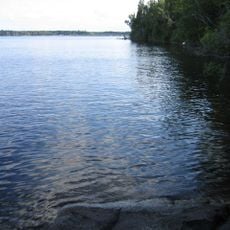
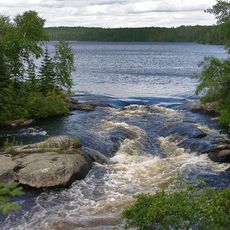
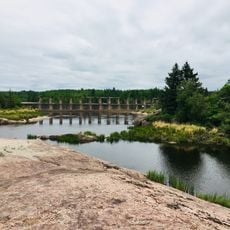
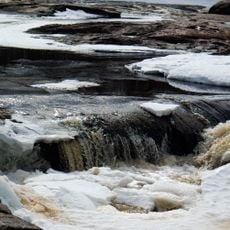
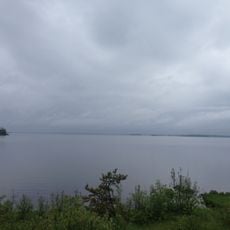
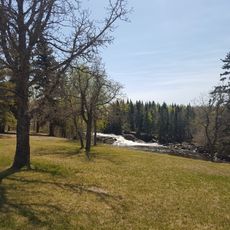
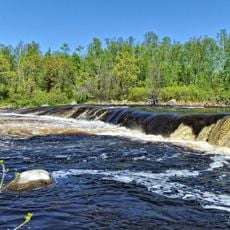
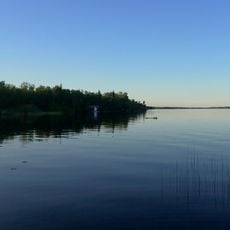
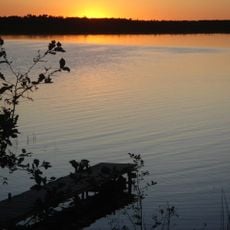
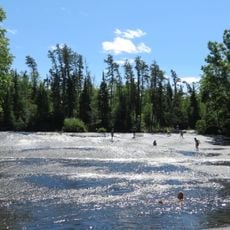
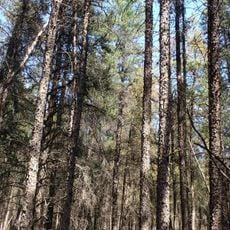
Woodland Caribou Provincial Park is a wilderness area in Northwestern Ontario made up of hundreds of lakes, rivers, and boreal forest. These waterways connect naturally, forming long canoe routes that run deep into the interior of the park.
The park lies within the traditional territories of First Nations on both sides of the Ontario–Manitoba border, including Pikangikum in Ontario and Poplar River, Pauingassi and Little Grand Rapids in Manitoba. In 2004 the Canadian government placed the wider region on Canada's UNESCO tentative list, and on 1 July 2018 Pimachiowin Aki, an Ojibwe name meaning "the land that gives life", was inscribed as a mixed natural and cultural World Heritage Site that includes Woodland Caribou Provincial Park.
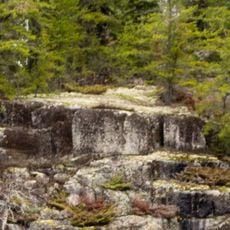
Rock paintings made by Ojibwe people appear on stone faces along the shorelines, painted in red ochre directly onto the rock. Many of these images sit close to the waterline, so paddlers can pass right beside them without leaving their canoe.
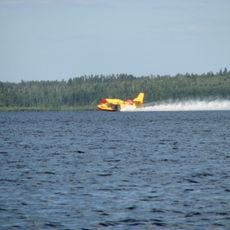
There are no roads leading into the park, so access is only possible by seaplane or canoe. Contacting a local outfitter before your trip is a good idea, as they can help with route planning and safety preparation.
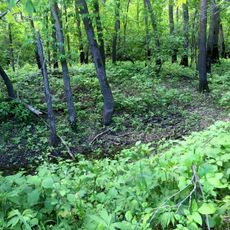
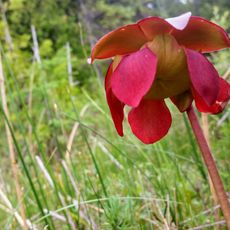
The park's woodland caribou are named for their forest-dwelling habits; radio-collar studies found mothers and calves kept an average of 10.2 km from human disturbance, ranging from 0.7 to 32.6 km. The park also holds over 400 plant species, 16 of them considered rare in Ontario.
The community of curious travelers
AroundUs brings together thousands of curated places, local tips, and hidden gems, enriched daily by 93,790 contributors worldwide.