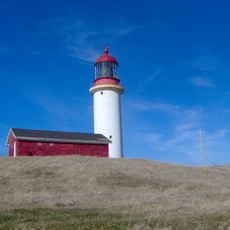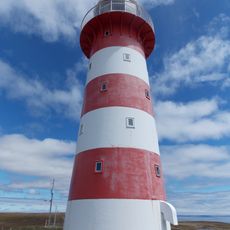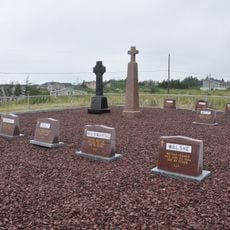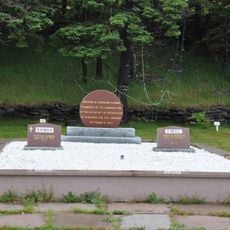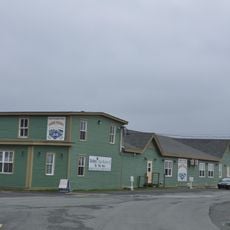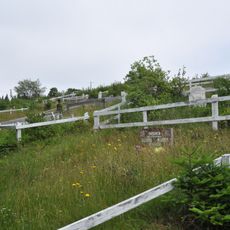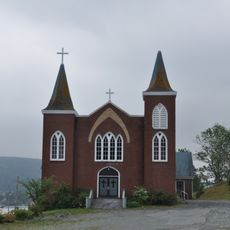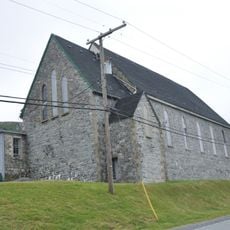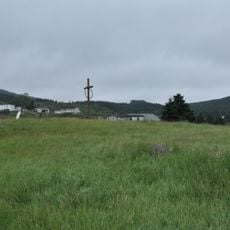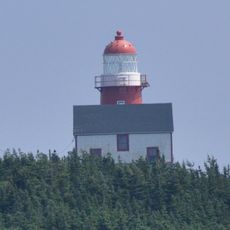
Cape Race, Maritime navigation point on Avalon Peninsula, Canada.
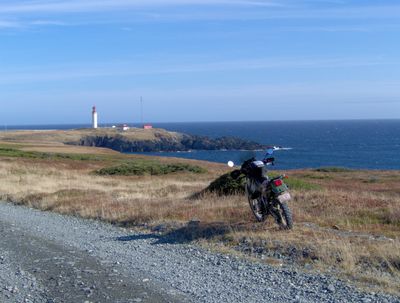
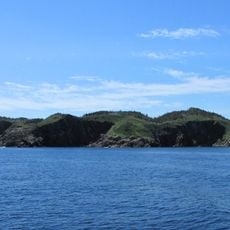
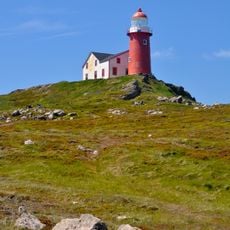
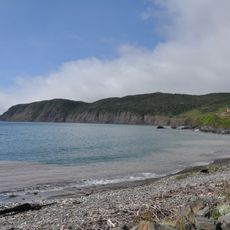
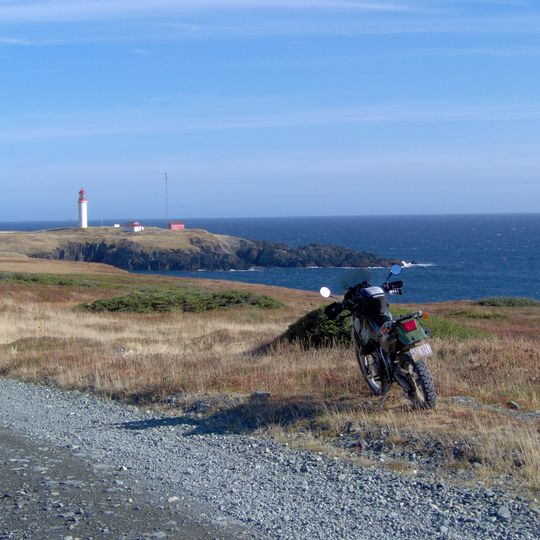
Cape Race extends from the southeastern edge of the Avalon Peninsula, featuring steep cliffs that rise about 30 meters (100 feet) above the Atlantic Ocean. The rocky formation creates a distinctive headland shaped by the exposure to open ocean waters.
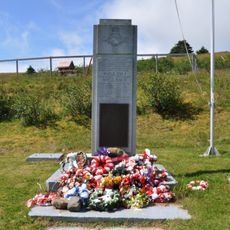
The first wireless telegraph station in Newfoundland was established at Cape Race in 1904 and received distress calls from the RMS Titanic in 1912 during its sinking. This early radio facility became instrumental in documenting one of history's most significant maritime events.
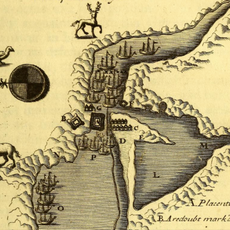
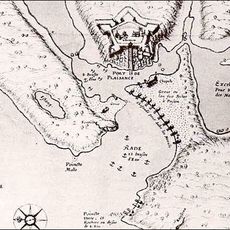
Portuguese sailors named this location 'Cabo Raso' for its distinctive flat-topped cliffs, and the name remains a reminder of early maritime routes between Europe and the Americas. The headland served as a natural landmark that helped guide seafarers navigating the Atlantic crossing.
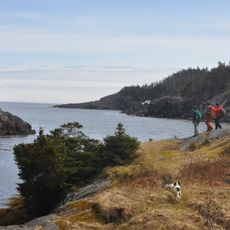
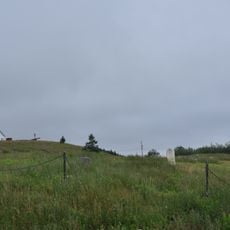
The area experiences frequent fog and rough conditions, especially during cooler months, so bring appropriate weather gear and plan for changeable conditions. Access is typically on foot via established coastal paths that lead toward the headland.
From 1859 to 1866, the New York Associated Press stationed a news boat at Cape Race to intercept European ship reports before they reached port in New York. This arrangement reveals how critical this remote location was for gathering breaking news during the age of ocean travel.
The community of curious travelers
AroundUs brings together thousands of curated places, local tips, and hidden gems, enriched daily by 91,618 contributors worldwide.