Spadina Avenue, street in Downtown Toronto, Canada
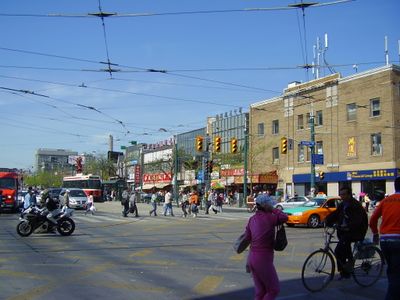
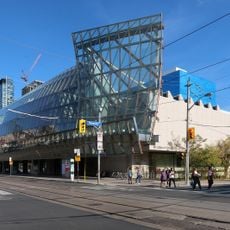
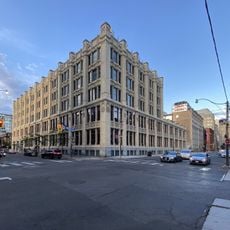
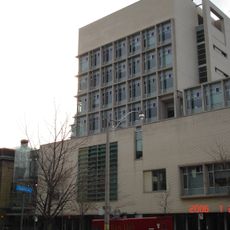
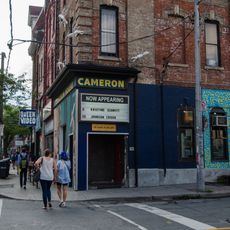
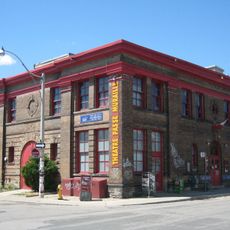
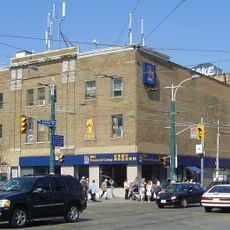
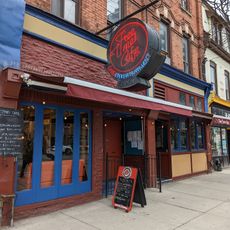
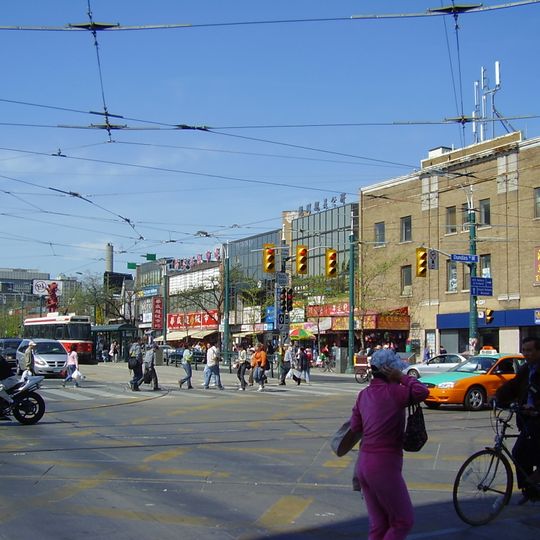
Spadina Avenue is a wide street in Toronto that runs from Bloor Street in the north to the Gardiner Expressway in the south, with several lanes for cars and a streetcar line running through the middle. The character of the street changes depending on the area: north of Bloor Street it is quieter with homes and small businesses, while south of that busy sections with tall buildings, restaurants, shops, and theaters dominate.
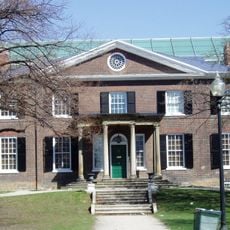
Spadina Avenue was laid out in the early 1800s by Dr. William Baldwin to connect different parts of Toronto, and its name comes from an Ojibwa word meaning "high place" or "rise of land". In the 1960s there were plans to turn it into a highway, but residents and city leaders like Jane Jacobs opposed this, preserving it instead as a living street for the city.
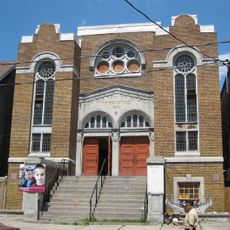
Spadina Avenue passes through several cultural neighborhoods, particularly Chinatown with its red archways, Chinese characters, and colorful murals visible everywhere. The street reflects Toronto's diverse communities, from the Jewish shops of the past to today's Asian restaurants and stores that show how people live and maintain their traditions in this area.
Getting to Spadina Avenue is easy with public transit, as streetcars run down the middle of the street and buses also service the area. It helps to arrive early in the day, particularly if you want to explore Chinatown, since the streets and markets can become very crowded on weekends.
The name Spadina is pronounced two different ways by Toronto residents, with either a long "i" sound or a long "e" sound, and this difference once signaled which social class someone came from, though today the long "i" sound dominates. A famous song called "Spadina Bus" by a local music band celebrates the street and its character, and the tune remains part of local culture.
The community of curious travelers
AroundUs brings together thousands of curated places, local tips, and hidden gems, enriched daily by 60,000 contributors worldwide.