ATLAS experiment, Particle physics research facility at CERN, Geneva, Switzerland
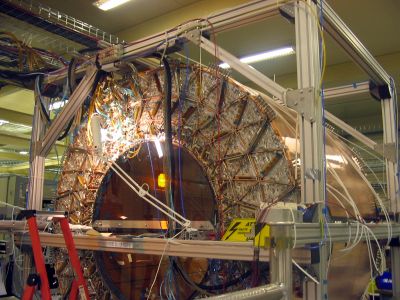
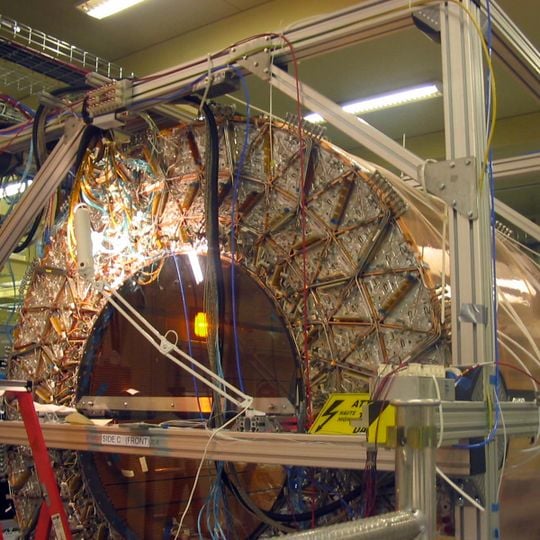
ATLAS is a massive detector within the Large Hadron Collider that studies collisions between particles and analyzes millions of atomic interactions per second. The device consists of several layers of different sensors that record all the movements and characteristics of the particles created in these collisions.
The project started in 1998 in response to questions from modern physics and was completed and brought into operation nine years later. A breakthrough came in 2012 when data analysis confirmed a long-sought particle that changed our understanding of matter.
Scientists from around the world work side by side at ATLAS, sharing knowledge about the building blocks of matter. This international collaboration shapes the everyday research environment and shows how physics connects people across different cultures.
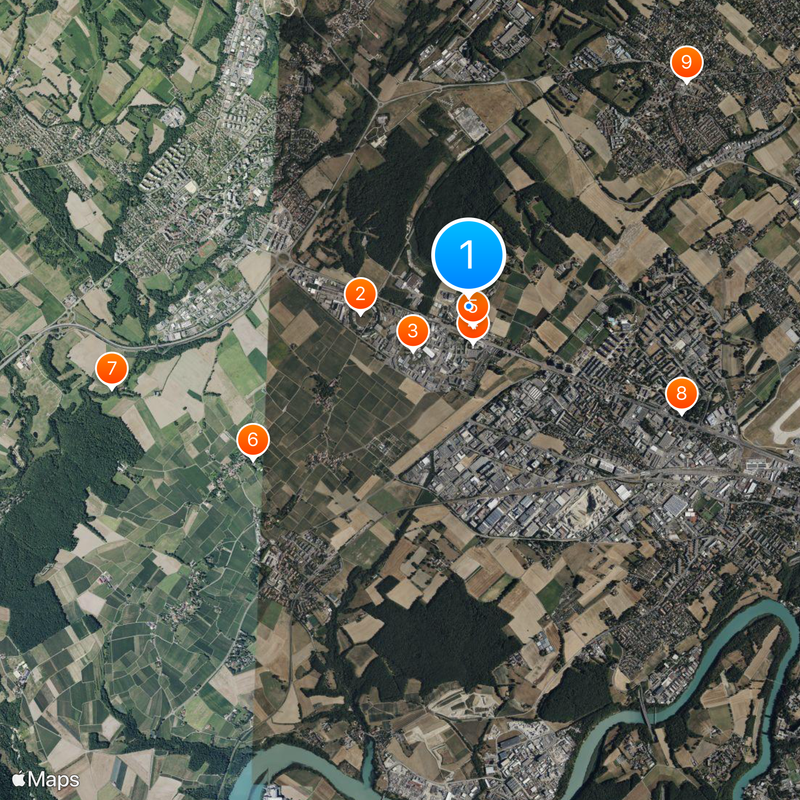
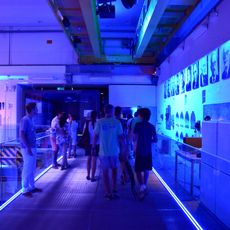
The site is part of a large underground facility and can only be visited through organized tours offered by CERN. Visitors should inquire ahead of time, as access is restricted for safety reasons and availability varies.
The system processes enormous amounts of raw data during experiments, with only a tiny fraction actually being kept. This intelligent filtering allows researchers to preserve the most important results while discarding less relevant information.
The community of curious travelers
AroundUs brings together thousands of curated places, local tips, and hidden gems, enriched daily by 60,000 contributors worldwide.