St. Beatus Caves, Cave system in Beatenberg, Switzerland.
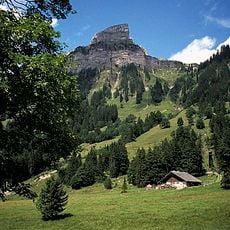
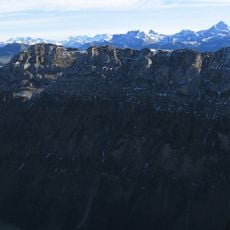
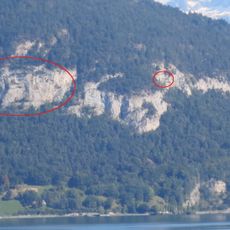
St. Beatus Caves are a system of dripstone caves beneath Beatenberg on the northern edge of Lake Thun. The developed, lit section runs about 1 km into the Niederhorn massif and climbs 87 m, passing grottoes, halls and gorges with stalactites and stalagmites, underground lakes and waterfalls. About 14 km of the branching network has been surveyed; the first kilometre was opened to visitors in 1903–1904.
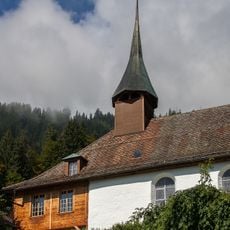
Until the Reformation a pilgrimage chapel dedicated to Saint Beatus stood inside the cave, subject to the monastery of Interlaken. In 1528 Bern's government had it demolished and the entrance walled up to stop the pilgrimages; Catholics from Unterwalden broke the wall open again, and this happened repeatedly. From 1534 to 1535 Bern built a Reformed church on Beatenberg as a counterweight to the cult. The first kilometre was opened to visitors in 1903–1904, and Franz Knuchel began modern exploration after the Second World War.
The caves take their name from Saint Beatus, whose hermitage and grave are shown at the entrance alongside a replica of his cell. Until the Reformation a pilgrimage chapel dedicated to him stood inside, subject to Interlaken Monastery; Bern had it demolished in 1528 and walled up the entrance, but Catholic pilgrims from Unterwalden broke the wall open again, and walling and breaking alternated several times.
The cave maintains cool temperatures year-round, so warm clothing and sturdy footwear are necessary for the visit. The accessible section is well-maintained with clear paths, though some sections can be steep and require careful footing.
Natural waterfalls cascade down the mountainside at the cave entrance, leading visitors across multiple small bridges before reaching the cavern mouth. This waterfall setting makes the approach itself part of the experience.
The community of curious travelers
AroundUs brings together thousands of curated places, local tips, and hidden gems, enriched daily by 92,729 contributors worldwide.