Mogao Caves, Buddhist cave complex in Dunhuang, China
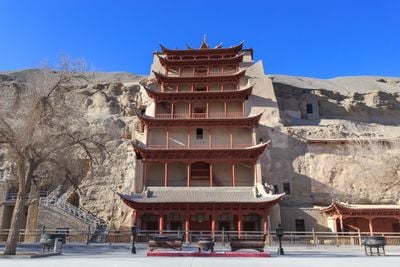
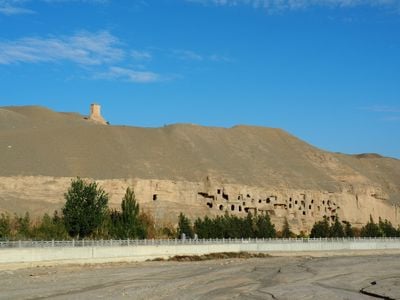
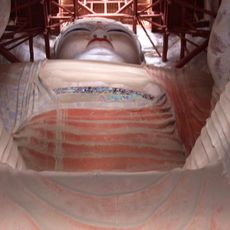
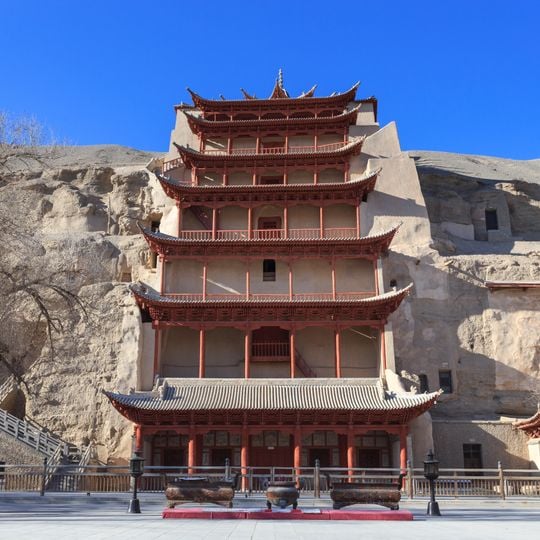
The Mogao Caves consist of several hundred Buddhist grottoes carved into a sandstone cliff that runs for around 1.7 kilometers (1 mile). Inside are painted sculptures and wall paintings representing different styles and periods.
Monks began digging the first caves in the 4th century and added new chambers over more than a millennium. Work ceased in the 14th century when the Silk Road shifted its trade and the region lost importance.
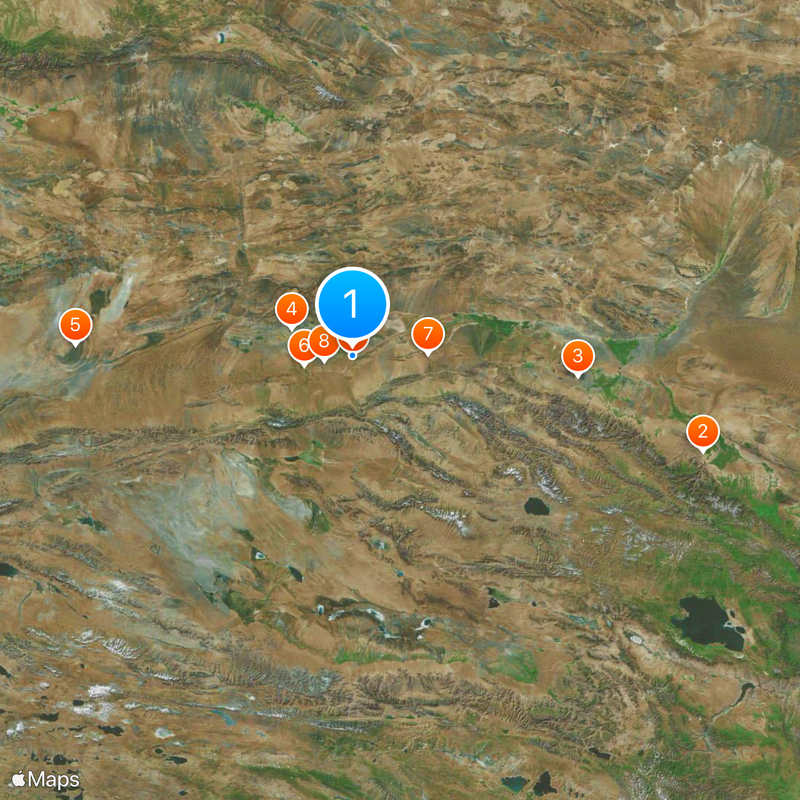
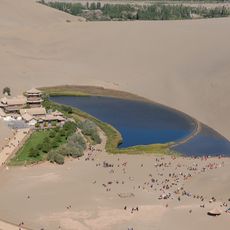
The name Mogao means "high in the desert" and refers to the exposed position at the edge of the Taklamakan. Visitors see in the accessible caves the fusion of Chinese painting with Central Asian and Indian motifs that arrived here through traders and monks along the Silk Road.
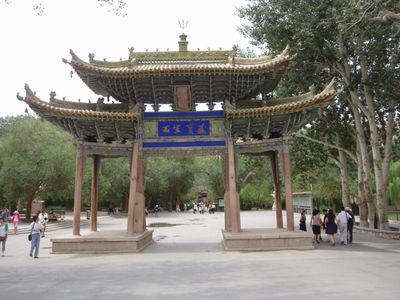
A visit requires a reservation because only a limited number of visitors are admitted each day. The tour lasts several hours and comfortable shoes are recommended as you walk over uneven paths and stairs.
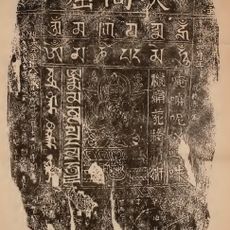
One of the chambers held thousands of manuscripts, textiles, and paintings that remained hidden for centuries. This collection offers insights into religious life, trade, and languages along the Silk Road up to the 11th century.
The community of curious travelers
AroundUs brings together thousands of curated places, local tips, and hidden gems, enriched daily by 91,076 contributors worldwide.