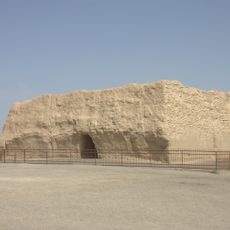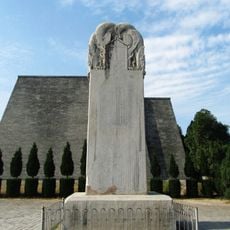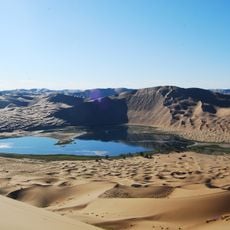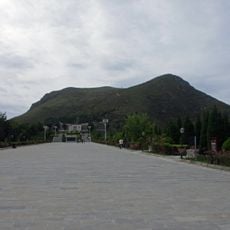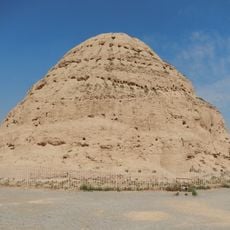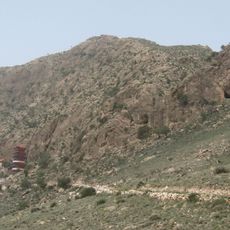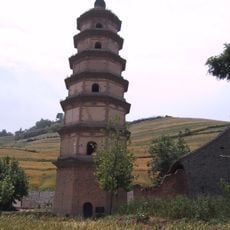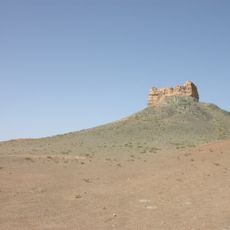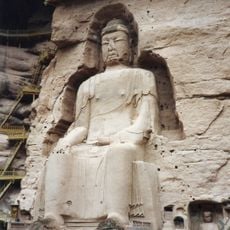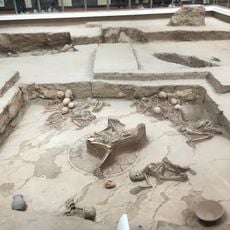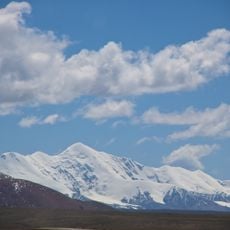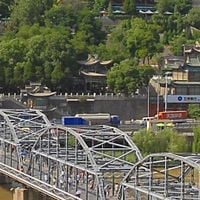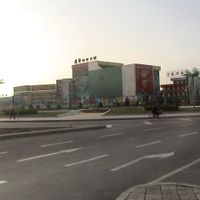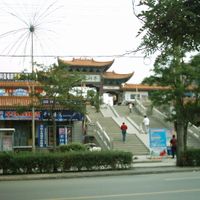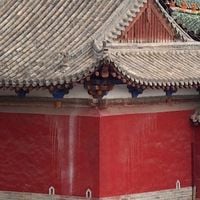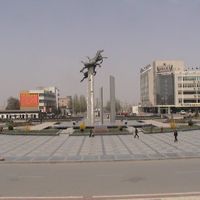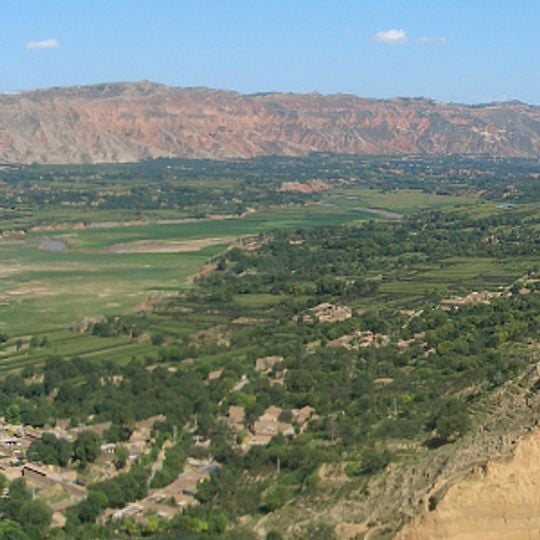
Gansu, Province in Northwestern China.
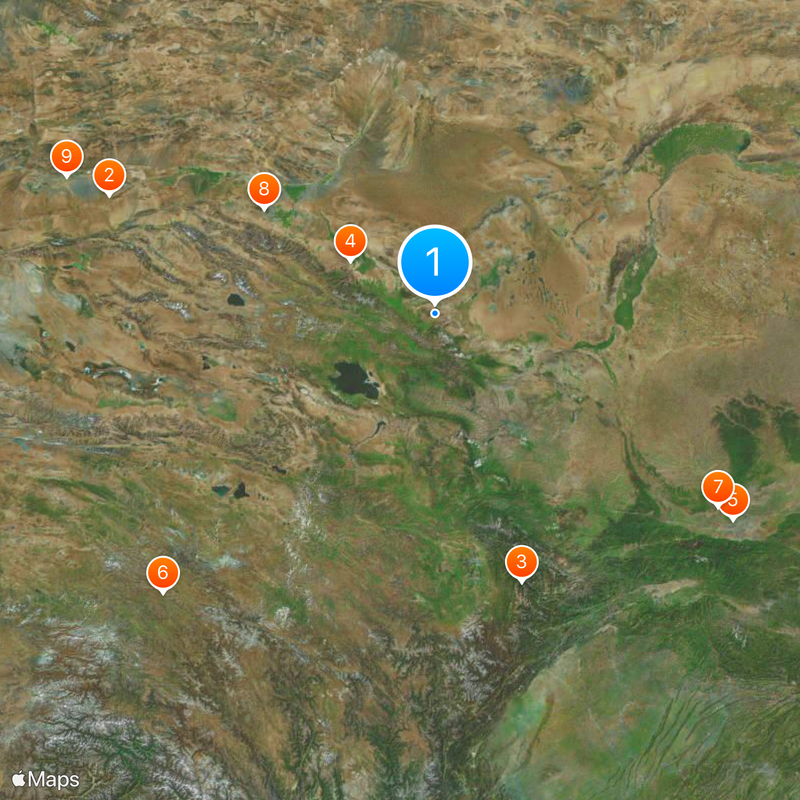
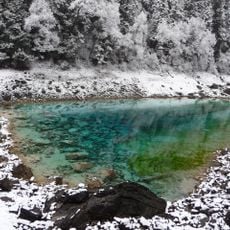
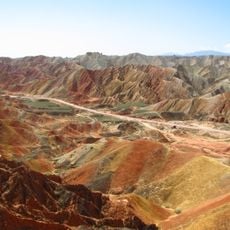
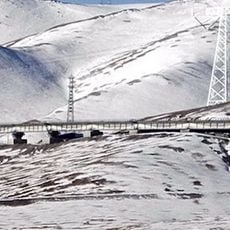
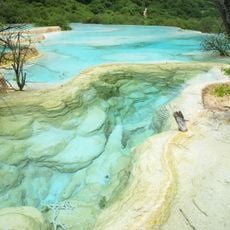
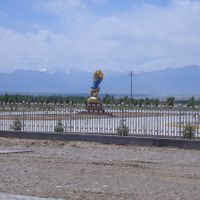
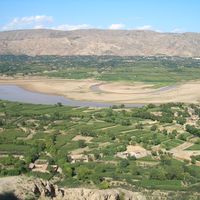
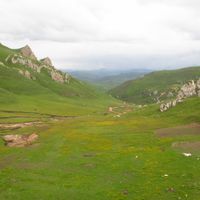
Gansu is a province in northwestern China that stretches between the Tibetan Plateau and the Loess Plateau, marked by dry corridors, desert areas in the north, and mountain ranges in the south. The landscape shifts from sandy plains to green river valleys along the Yellow River, which forms the central axis of settlement.
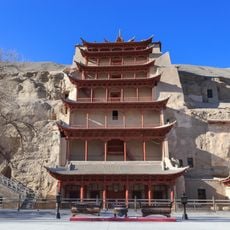
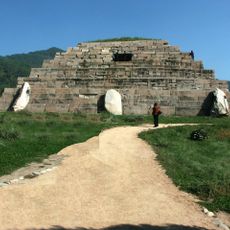
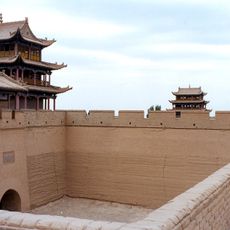
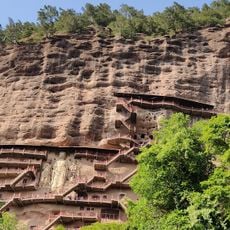
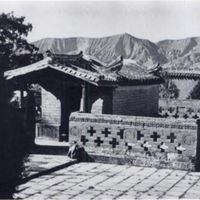
The region became an important section of the northern Silk Road, along which goods and ideas traveled between China and Central Asia. During the Song Dynasty the administrative areas of Ganzhou and Suzhou merged into the present province, which later served as a passage for caravans and armies.
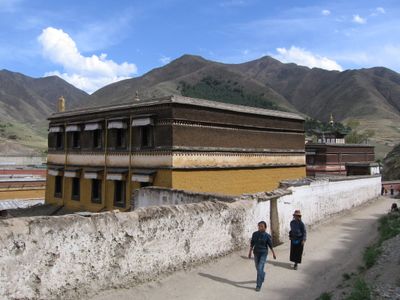
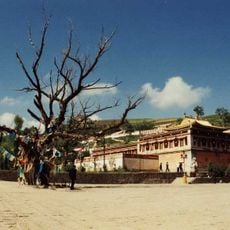
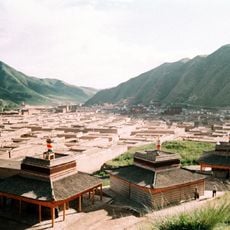
The name comes from the first syllables of two former prefectures, Ganzhou and Suzhou, which merged during the Song period. Today the region maintains mosques and markets where Hui communities gather, while Tibetan Buddhist temples operate in southern areas near the plateau.
Lanzhou serves as the capital and transport hub, from which trains and buses reach all parts of the province. The Hexi Corridor connects the center of the country with the western regions and remains the main route for travelers today.
The province holds some of the largest nickel reserves in China, making the region a center for mining activity. A total of 145 different mineral deposits have been identified here, including rare metals used in modern industry.
The community of curious travelers
AroundUs brings together thousands of curated places, local tips, and hidden gems, enriched daily by 60,000 contributors worldwide.