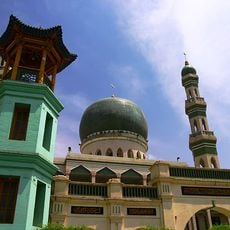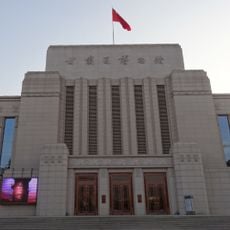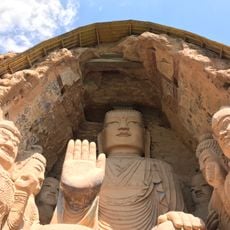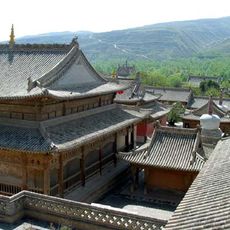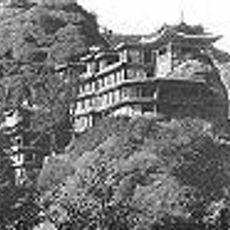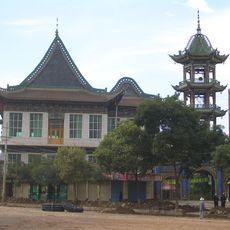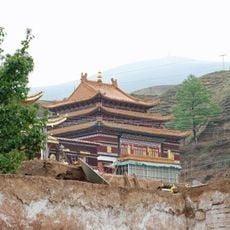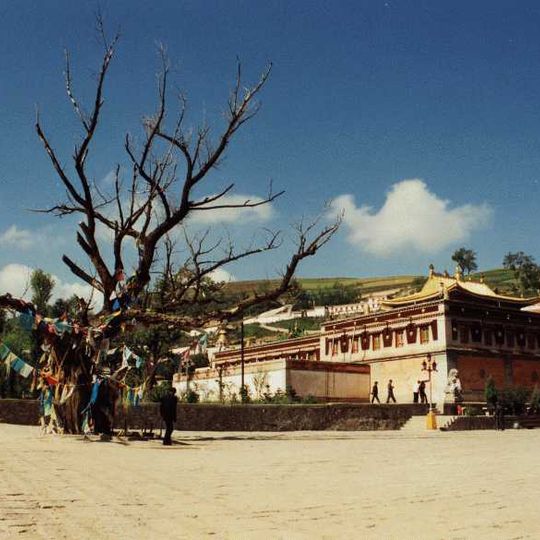
Kumbum Monastery, Buddhist monastery in Huangzhong District, China.
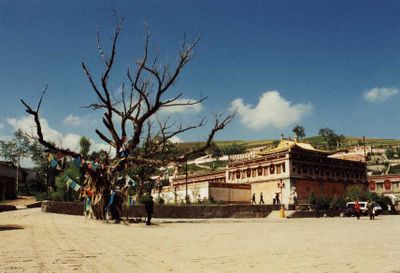
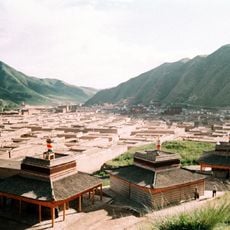
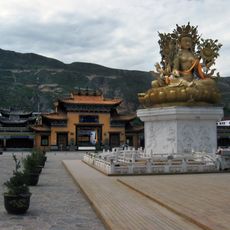
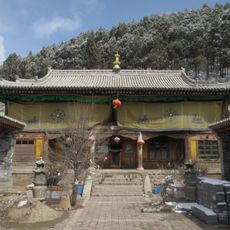
Kumbum Monastery is a large Tibetan Buddhist monastery near Xining with a golden main hall and silver shrine at its center. The surrounding buildings with flat roofs form an extensive complex where monks live and study.
The monastery was established in 1560 to honor the birthplace of a major Buddhist teacher who founded the Gelug school of Tibetan Buddhism. From this sacred connection, it grew into a significant center for religious study and practice.
The monastery serves as a living center where Tibetan artisans pass down traditional crafts across generations within its walls. Visitors encounter the results of this work throughout the buildings, from painted scenes to intricate textile pieces.
The monastery sits roughly 25 kilometers southwest of Xining and contains many halls and living areas to explore at your own pace. It helps to allow plenty of time for walking through the different sections to see everything the site has to offer.
The monastery is known for three distinct art forms: butter sculptures, painted walls, and sewn thangkas, each following centuries-old traditions of Tibetan craftsmanship. These three art traditions together represent a rare artistic combination found in few other places.
The community of curious travelers
AroundUs brings together thousands of curated places, local tips, and hidden gems, enriched daily by 60,000 contributors worldwide.