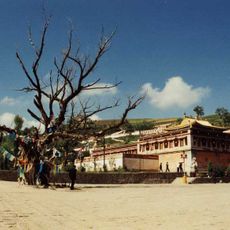
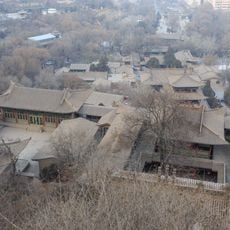
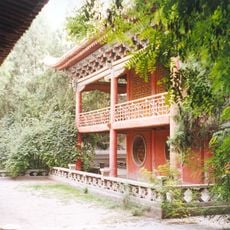
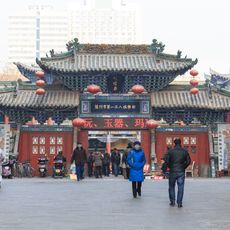
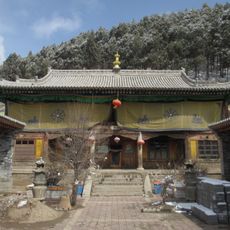
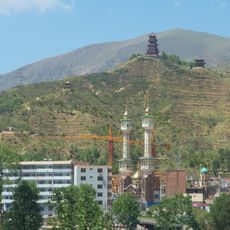
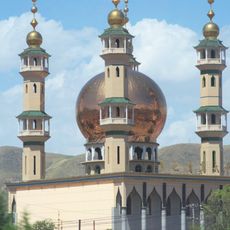
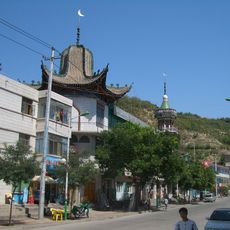
Tiantishan Grottoes, Buddhist cave temple complex in Liangzhou District, China.
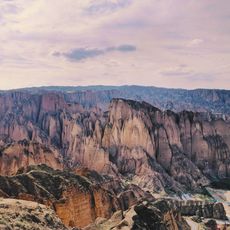
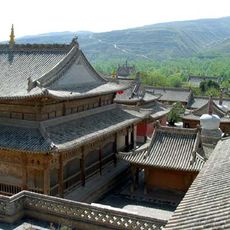
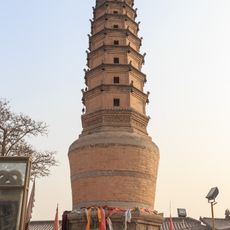
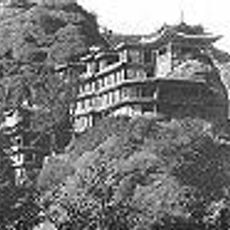
Tiantishan Grottoes are nineteen rock-cut Buddhist cave temples in three tiers on the eastern cliffs of the Huangyang River in the Qilian Mountains, Liangzhou District, Wuwei, Gansu. The caves, carved into reddish sandstone conglomerate, hold over a hundred sculptures and several hundred square metres of wall paintings. The Great Buddha Cave houses a seated Buddha about 28 metres high, added in the Tang dynasty and later restored.
The caves were excavated during the Northern Liang period between 397 and 439 CE and later expanded through subsequent dynasties. The carved and painted works demonstrate how Buddhist artistic styles evolved across centuries.
The name Tiantishan means "Ladder to Heaven Mountain", after the cliffs where the caves were cut. The Northern Liang wall paintings use a ground of earth red with flowing line-drawn figures of Buddhas, flying apsaras, bodhisattvas and heavenly kings, painted directly onto smoothed mud as at Dunhuang and Maijishan. Tang paintings show secularised figures with rounded, three-dimensional bodies.
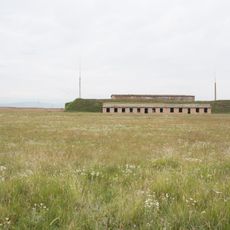
The site is located south of Wuwei and requires a walk from the parking area to reach the entrance. Sturdy shoes are helpful, and it is wise to plan time to explore the various cave levels at a leisurely pace.
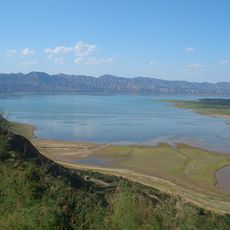
The reservoir that flooded the lower caves in 1960 is the Huangyang River Reservoir, built for irrigation, not a hydroelectric dam. In 2006, 22 sculptures, 9 Buddha heads and over 120 square metres of murals were returned from the Gansu Provincial Museum to Wuwei.
The community of curious travelers
AroundUs brings together thousands of curated places, local tips, and hidden gems, enriched daily by 94,038 contributors worldwide.