Wuwei, prefecture-level city in Gansu, China
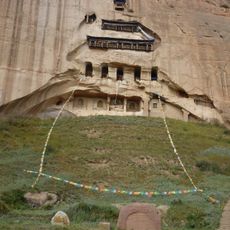
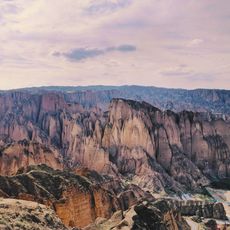
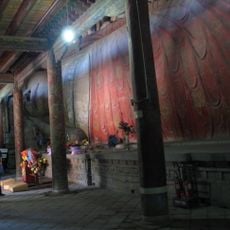
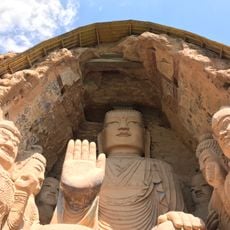
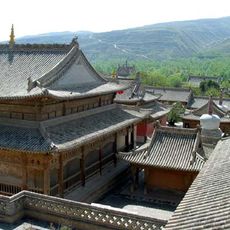
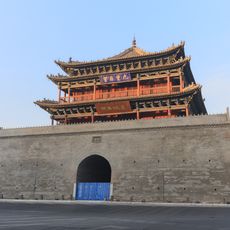
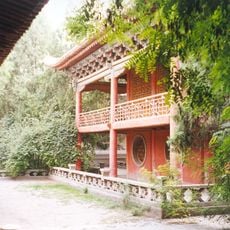
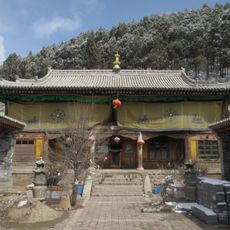
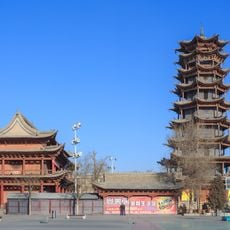
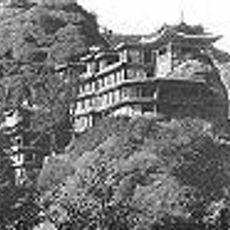
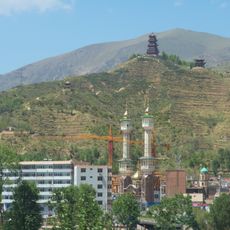
Wuwei is a large city in Gansu Province in northwest China, known for its archaeological finds and role on the ancient Silk Road. Located in the Hexi Corridor, it contains many old sites including tombs, temples, pagodas, and the Tiantishan Grottoes with Buddha statues dating back over 1600 years.
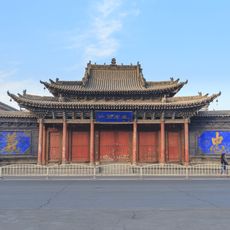
Wuwei played an important role on the Silk Road and was formerly known as Liangzhou, reflecting its significance as a trade hub. The Han Dynasty left major traces as shown by the Leitai Tomb, while later the Ming Dynasty built a large Confucian Temple.
The name Wuwei comes from ancient history and the city was once called Liangzhou. Today, local people view this place as a crucial link in their regional identity, and you can sense this connection when walking through the streets and markets.
Wuwei has two train stations, with the central main station being most accessible to visitors and near major sights. The city is best explored by local buses, and many museums are free but may require showing identification at the entrance.
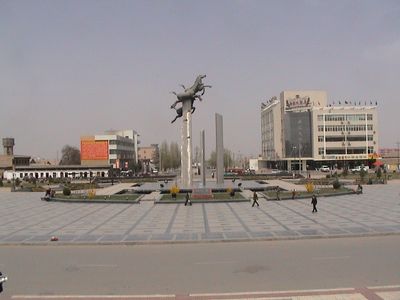
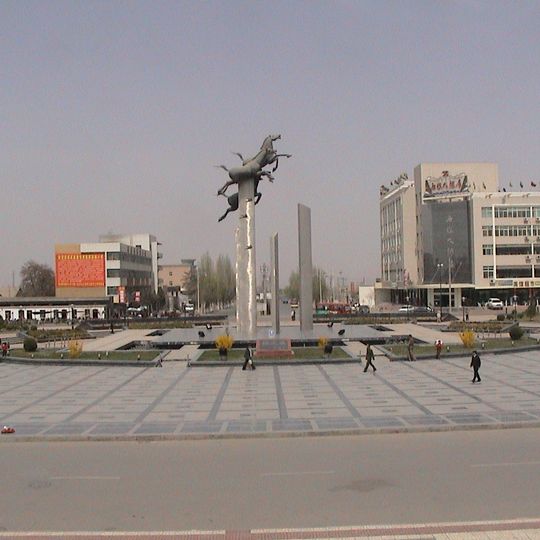
The famous Bronze Galloping Horse from the Han Dynasty, one of the region's most important archaeological finds, was discovered here but now resides in Lanzhou's museum. This discovery brought international attention to Wuwei and sparked wider interest in the area's archaeological riches.
The community of curious travelers
AroundUs brings together thousands of curated places, local tips, and hidden gems, enriched daily by 92,239 contributors worldwide.