Cizhou ware, Ceramic style site in Hebei, China.
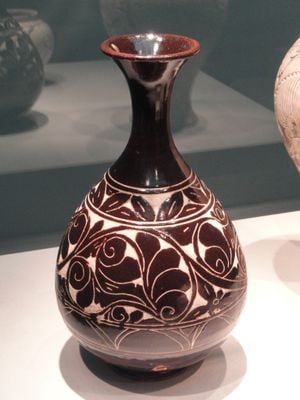
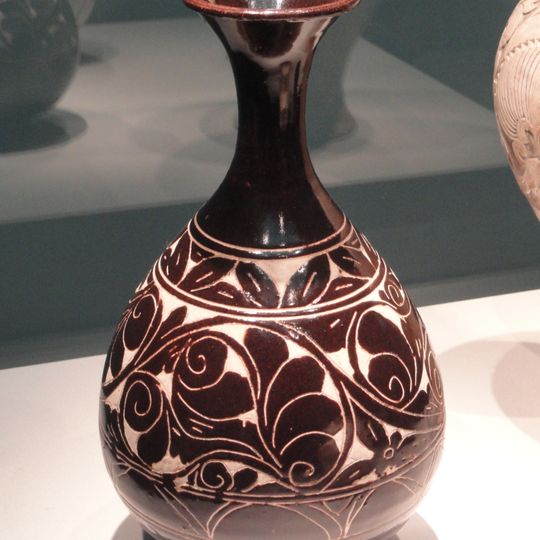
Cizhou ware is a pottery style from Hebei, China, distinguished by black and brown designs painted against white backgrounds using specialized glazing and slip decoration techniques. The pieces combine functional forms with decorative surface treatments that create varied visual patterns across each vessel.
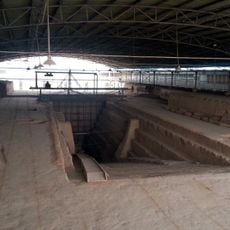
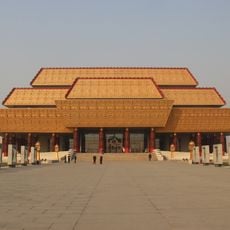
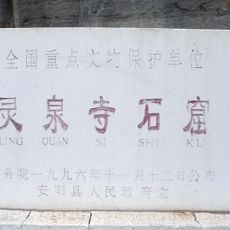
Kilns at Cizhou, named for the prefecture now called Ci County in Handan, southern Hebei, began firing in the late Northern Dynasties and continued into the Republican era. The wares are especially associated with the Northern Song to Yuan period, 11th to 14th century, when white-slipped stoneware painted in black slip became the dominant product. In 1996 the kiln sites were listed as a national cultural relic protection unit, and in 2006 Cizhou firing techniques entered the first national intangible cultural heritage list.
Cizhou wares carry painted inscriptions: poems by Su Shi and Yuan Haowen, and a Yuan-dynasty pillow in the Cizhou kiln museum at Ci County inscribed with Chen Cao'an's sanqu song "Shanpoliyang". Kilns stamped pillows with workshop marks such as "Zhang family made" (张家造) and "Guxiang Zhang family made", early branding that also tells which river valley a piece came from.
Many Cizhou pieces served as functional household items, including wine vessels, storage containers, and ceramic pillows used for sleeping. These everyday objects show that the pottery combined practical use with visual appeal in daily life.
Potters developed a method to create affordable ceramics by applying white slip to dark clay bodies before adding detailed decorative elements. This economical technique made it possible to produce quality pieces for a wide audience.
The community of curious travelers
AroundUs brings together thousands of curated places, local tips, and hidden gems, enriched daily by 92,802 contributors worldwide.