Bailiandong site, Archaeological site and museum in Liuzhou, China
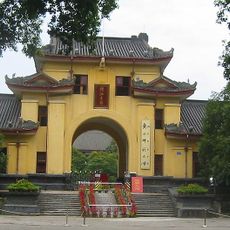
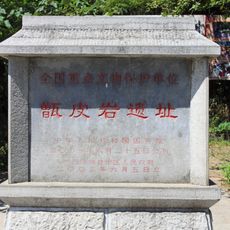
The Bailiandong site is a natural karst cave in Liuzhou with two entrances, a length of over 1,870 metres, an area of about 7,000 square metres and an underground river over 370 metres long. Excavations yielded more than 500 stone tools, two fossil human teeth, over 3,500 animal bone fragments and two traces of fire use. The on-site Bailiandong Ancient Human Site Museum and Cave Science Museum present these finds.
Pei Wenzhong discovered the cave in 1956 and found scattered cultural remains, which Jia Lanpo identified as Late Paleolithic. Excavations yielded over 30 absolute dates spanning 37,000 to 7,000 years, along with more than 500 stone tools, two fossil human teeth, over 3,500 animal bone fossils and two traces of human fire use. A fossil left lower third molar of the Bailiandong Man points to habitation about 50,000 years ago.
The museum displays tools and objects from different periods of prehistory, showing how people lived and worked in this place. The exhibited items tell the story of daily activities among these early inhabitants.
The location is open to visitors on most days and provides enough time to explore both the caves and the museum. It is recommended to wear comfortable shoes, as access to the excavation sites is on foot and the terrain has uneven surfaces.
The cave has two entrances, upper and lower, and runs more than 1,870 metres through limestone, with a subterranean river about 370 metres long in its lower level. Excavations yielded over 500 stone tools, two fossil human teeth, more than 3,500 animal bone fossils and two traces of human fire use.
The community of curious travelers
AroundUs brings together thousands of curated places, local tips, and hidden gems, enriched daily by 92,814 contributors worldwide.