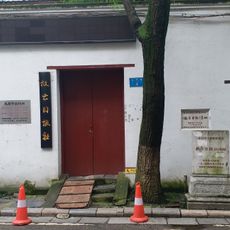
Zengpiyan, Neolithic archaeological cave site in Guilin, China
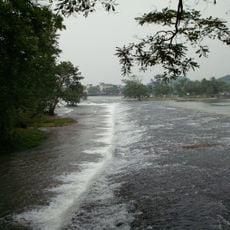
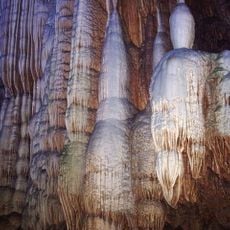
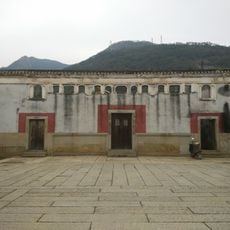
Zengpiyan is a Neolithic cave site at the southwestern foot of Dushan Mountain in Guilin. Its main cave covers about 220 square metres and faces southwest, near the Li River. The cave contains layered deposits with fireplaces, waste pits and piled stone material.
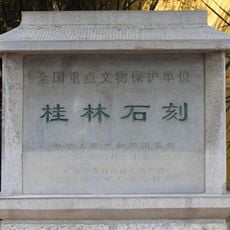
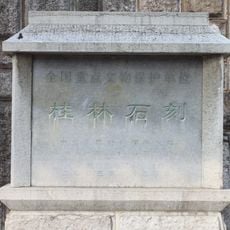
The cave was discovered in 1969 and excavated in 1973, with occupation dated between 10,000 and 5000 BC. It was abandoned around 5000 BC when a warm, humid period flooded the low-lying cave. Zengpiyan was listed as a national monument in 2001.
Excavations yielded the remains of over 30 people, buried mainly in a squatting position without burial pits or grave goods; only two shell knives accompanied them. The site also produced more than 10,000 pottery shards, some of the oldest in China, and the oldest local pottery is dated to 12,000 years BP. The cave was used as a dwelling and a primitive tomb.
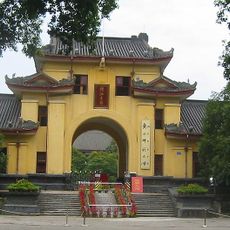
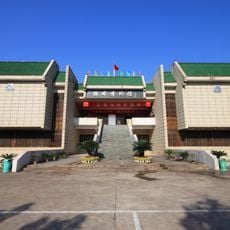
The site is easily accessible and offers both the original caves and exhibitions with artifacts along with reconstructed areas to explore. Plan enough time to look around and learn, especially if you want to examine the displays and reconstructed spaces carefully.
The cave's waterlogged position, only about a metre above the surrounding plain, ended its use: flooding during a warm, humid period around 5000 BC drove people out after roughly 5,000 years of occupation. Excavators also found more than 10,000 pottery pieces and many fireplaces and waste pits.
The community of curious travelers
AroundUs brings together thousands of curated places, local tips, and hidden gems, enriched daily by 93,644 contributors worldwide.