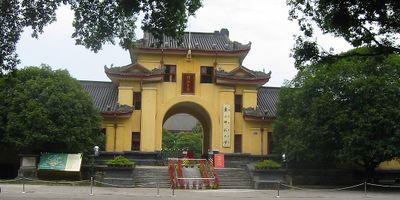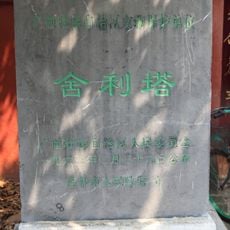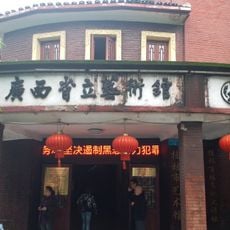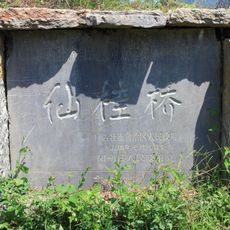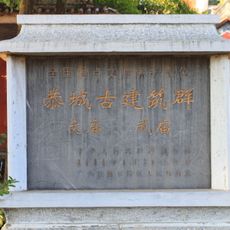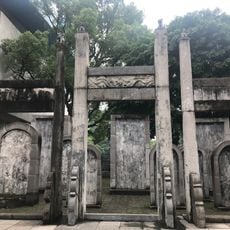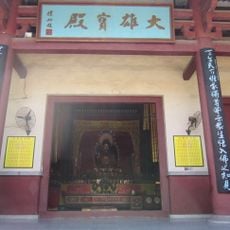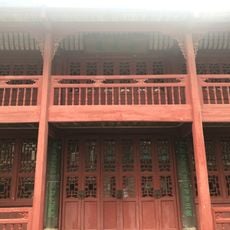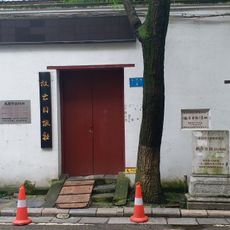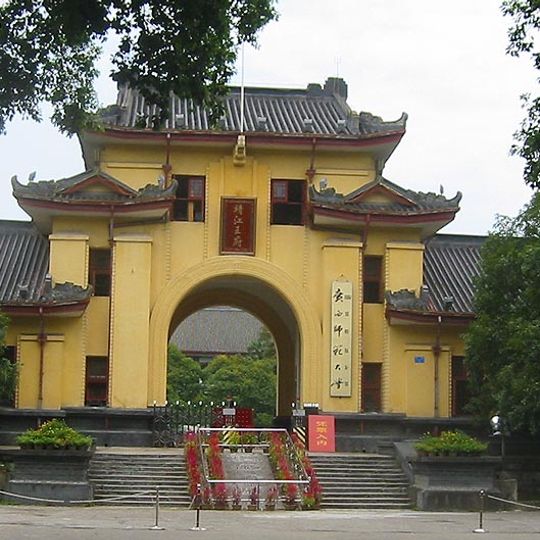
Jingjiang Princes' City, Ming Dynasty palace in Guilin, China.
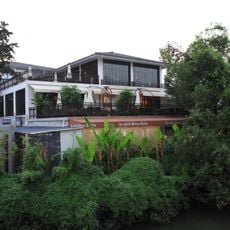
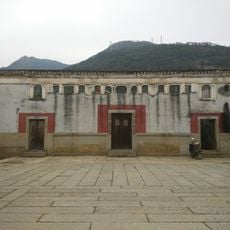
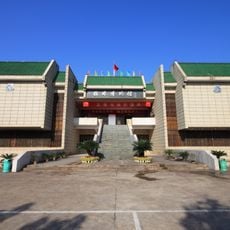
The Jingjiang Princes' City is an expansive walled compound in Guilin built during the Ming Dynasty, surrounded by a stone wall extending about 1.5 kilometers in perimeter. Multiple halls, pavilions, and numerous buildings are scattered across the grounds, which now partially host Guangxi Normal University.
Built between 1372 and 1392, the palace served as a residence for Ming Dynasty princes and their families for more than two centuries. Following the transition to Qing rule, the site underwent changes before becoming integrated with a modern university.
The site functioned as a princely court where administrative and religious life unfolded, with a Confucian temple and formal halls that reflect the spiritual values of the era. These spaces show how rulers and their households organized their daily affairs within the walled compound.
The site can be entered through four main gates, allowing visitors to wander through a large open campus mixing historical buildings with modern university facilities. Good walking shoes are recommended since the grounds are extensive and require time to explore thoroughly.
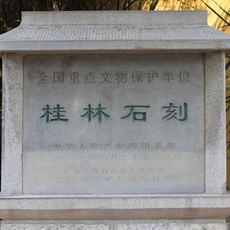
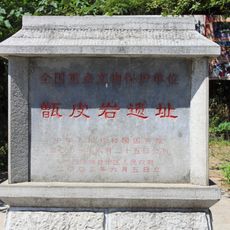
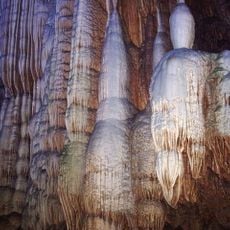
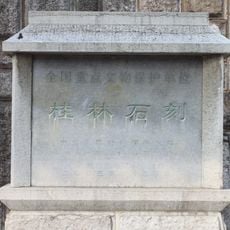
Hidden within the grounds is Study Cave, which contains carved stone inscriptions of an ancient poem about Guilin dating back roughly 1,600 years. This early written record of the region often goes unnoticed by visitors focused on the palace buildings themselves.
The community of curious travelers
AroundUs brings together thousands of curated places, local tips, and hidden gems, enriched daily by 60,000 contributors worldwide.