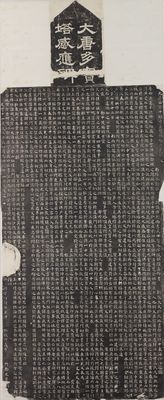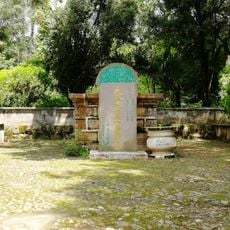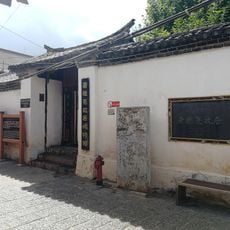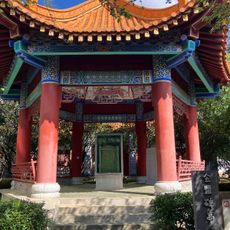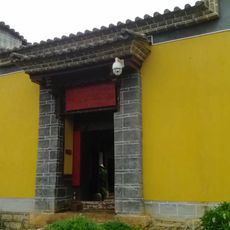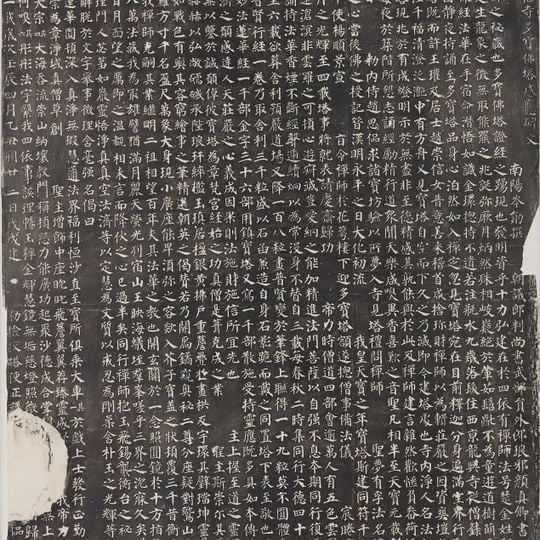
Stele of the Abundant Treasure Pagoda, Tang Dynasty stone stele in Xi'an, China
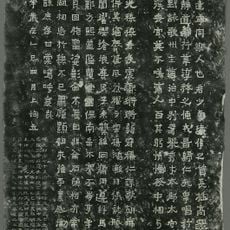
The Stele of the Abundant Treasure Pagoda is a stone tablet from the Tang Dynasty inscribed with characters by a master calligrapher of the imperial court. Its surface holds multiple columns of script that together form a religious and literary record.
Created in 752 during the height of the Tang Dynasty, the stele was made when Buddhist arts and Chinese imperial traditions were deeply intertwined. It records a period when court artistry and religious devotion merged together.
The stele's name refers to a pagoda temple that symbolized prosperity and abundance in local beliefs. It shows how Buddhist ideas were woven into Chinese artistic life and how calligraphy itself became a sacred art form.
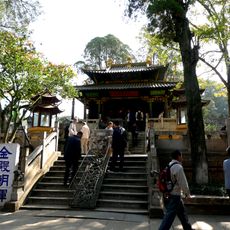
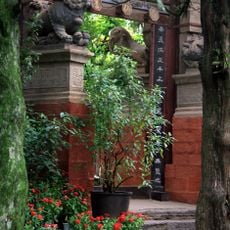
You will find this ancient stone tablet at the Beilin Stele Museum in Xi'an, which displays many such historical artifacts. The museum provides a calm setting to view the fine brushwork and understand its meaning.
The inscription was created by Yan Zhenqing, one of the most celebrated calligraphers of all time, whose style still influences artists today. His way of shaping characters was revolutionary and continues to be studied in art schools.
The community of curious travelers
AroundUs brings together thousands of curated places, local tips, and hidden gems, enriched daily by 92,670 contributors worldwide.