Jiangxin Temple, Buddhist temple in Lucheng District, China.
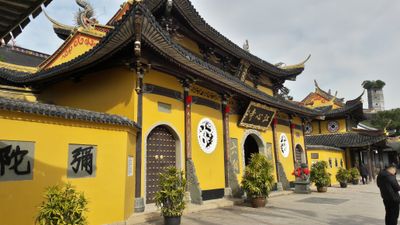
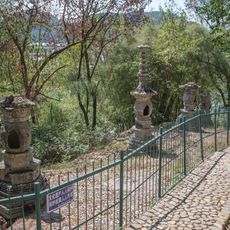
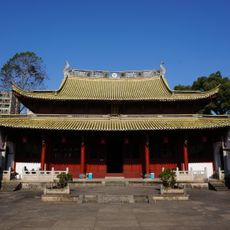
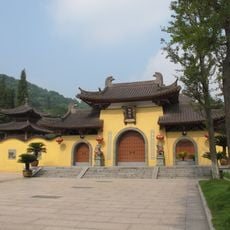
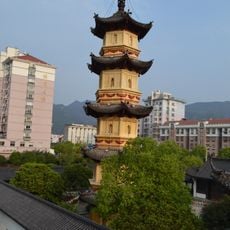
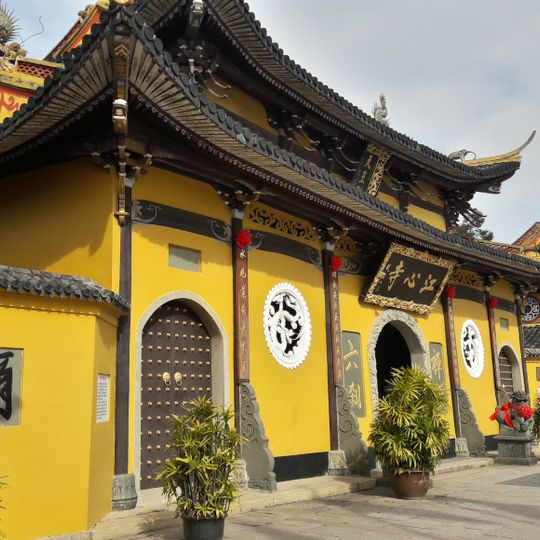
Jiangxin Temple sits on an island in the Ou River and combines multiple worship halls with traditional Chinese architecture elements. The compound includes an entrance gate, several prayer buildings, and two stone pagodas that define the site's visual character.
Founded in 866 as Puji Chan Temple, it was renamed Longxiang Chan Temple in 1131 during the Shaoxing period. In 1137 the monk Qingliao filled the channel between the island's two parts and built Zhongchuan Temple, which Emperor Gaozong renamed Jiangxin Temple. The present buildings date from a 1789 reconstruction.
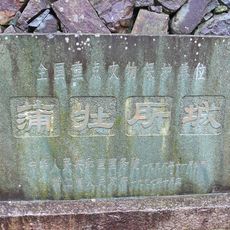
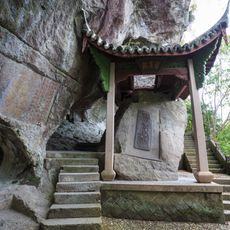
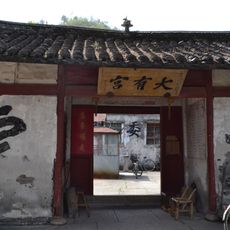
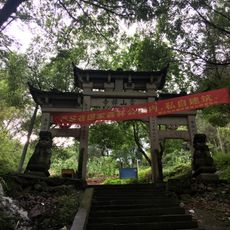
The name Jiangxin means "middle of the river", from the temple's position on an island in the Ou River. The mountain gate carries a stacked-character couplet written by Wang Shipeng, a zhuangyuan scholar who lodged at the Jingxin hall before entering office and knew Qingliao, the monk who filled the channel between the two islets. A Qing stele in the main hall preserves the calligraphy of Emperor Gaozong.
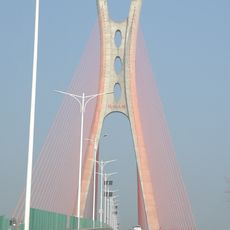
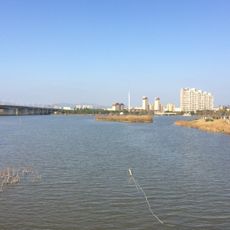
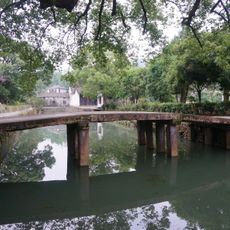
Jiangxin Temple occupies Jiangxin Island in the Ou River, reached by ferry or by the bridge linking the island to the Lucheng District shore. The temple was raised and reinforced in 2014 to resist typhoon-season tidal flooding, so check conditions before crossing in stormy weather. The East Pagoda stands 28 m tall and the West Pagoda 32 m, both hexagonal and seven-storeyed, giving clear landmarks for orientation on the island.
The East Pagoda, 28 metres tall, lost its original rafters and corridors in 1894, when the British government set up a consulate in Wenzhou beside it and forced the local authorities to demolish them. The West Pagoda, 32 metres and hexagonal, carries 16 Buddha statues carved into its brick and stone body. The East Pagoda also appears in the Japanese manga One Piece.
The community of curious travelers
AroundUs brings together thousands of curated places, local tips, and hidden gems, enriched daily by 95,220 contributors worldwide.