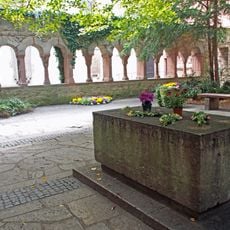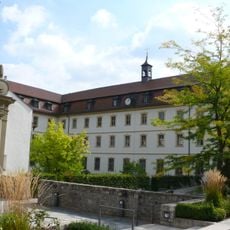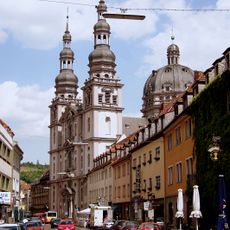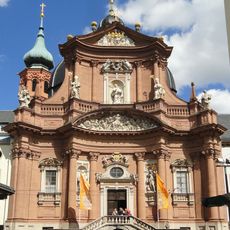
Würzburg, University city in Lower Franconia, Germany.
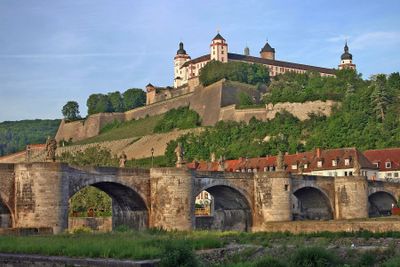
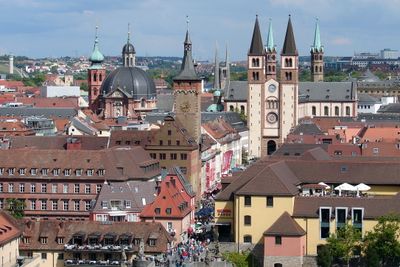
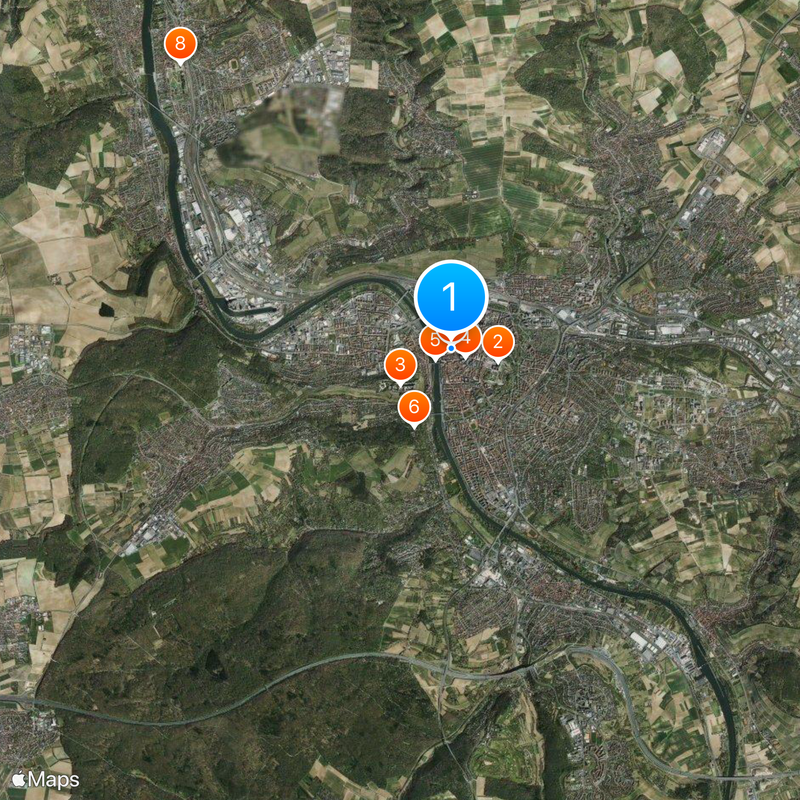
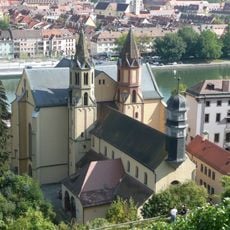
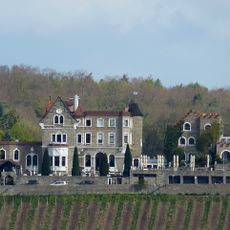
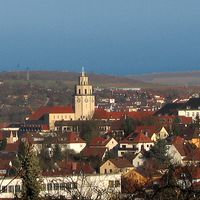
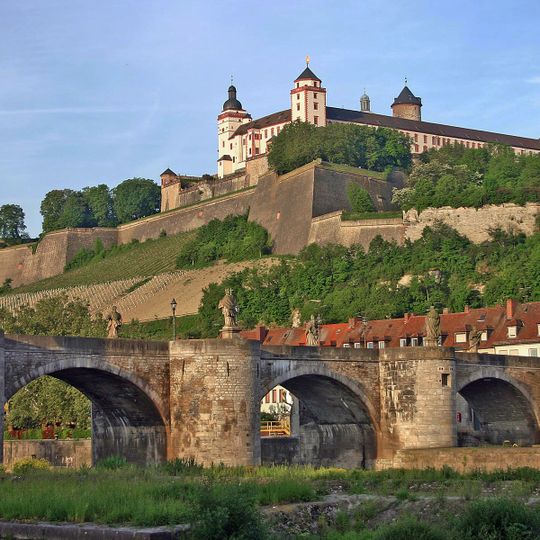
Würzburg is a major urban center in Lower Franconia that spreads along both banks of the Main River and serves as a university hub with several institutions of higher education. The old quarter sits between the water and surrounding hillsides planted with grapevines, while stone bridges link the neighborhoods on either side.
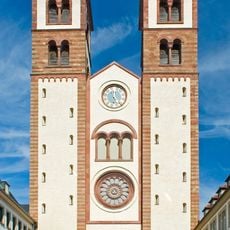
The settlement emerged in the early Middle Ages as a bishopric and grew over centuries into a powerful prince-bishopric within the Holy Roman Empire. An air raid in March 1945 leveled most of the inner districts, which were then reconstructed over the following decades using both modern methods and traditional designs.
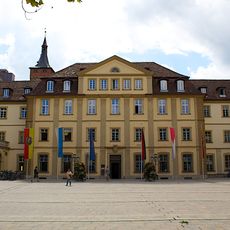
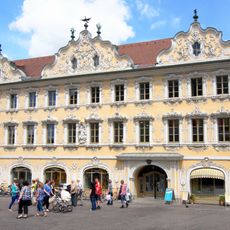
The old town hall by the riverside hosts municipal events, while locals gather daily at the market square to buy fresh produce and meet neighbors. Residents frequently visit traditional wine taverns where they share bottles from nearby vineyards, continuing a social custom rooted in the surrounding wine-growing region.
The city is well connected by train, and most points of interest lie within walking distance from the central station. A visit on a weekday allows you to experience the market and avoid crowds that can appear on weekends.
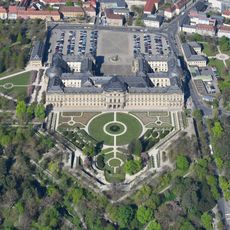
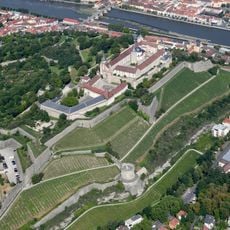
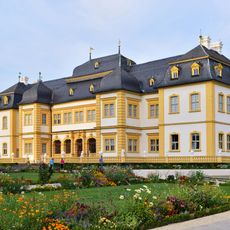
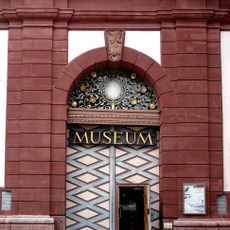
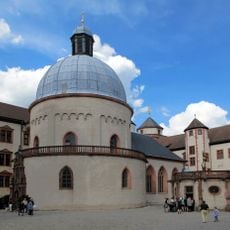
Wilhelm Conrad Röntgen discovered X-rays at the local university in 1895, and his original laboratory remains open for visitors to examine the instruments he used. The Marienberg fortress above town holds a collection of medieval sculptures that receive far less attention than the residence but offer a quiet space to explore centuries of regional art.
The community of curious travelers
AroundUs brings together thousands of curated places, local tips, and hidden gems, enriched daily by 90,803 contributors worldwide.