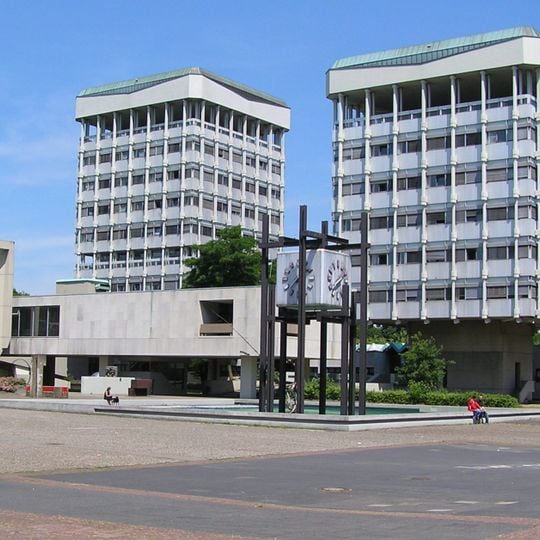
Marl, Industrial town in North Rhine-Westphalia, Germany
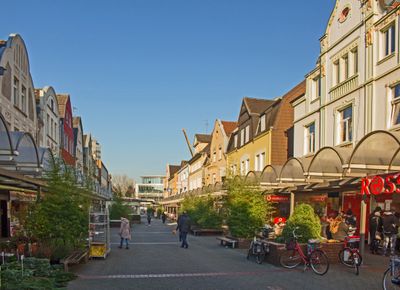
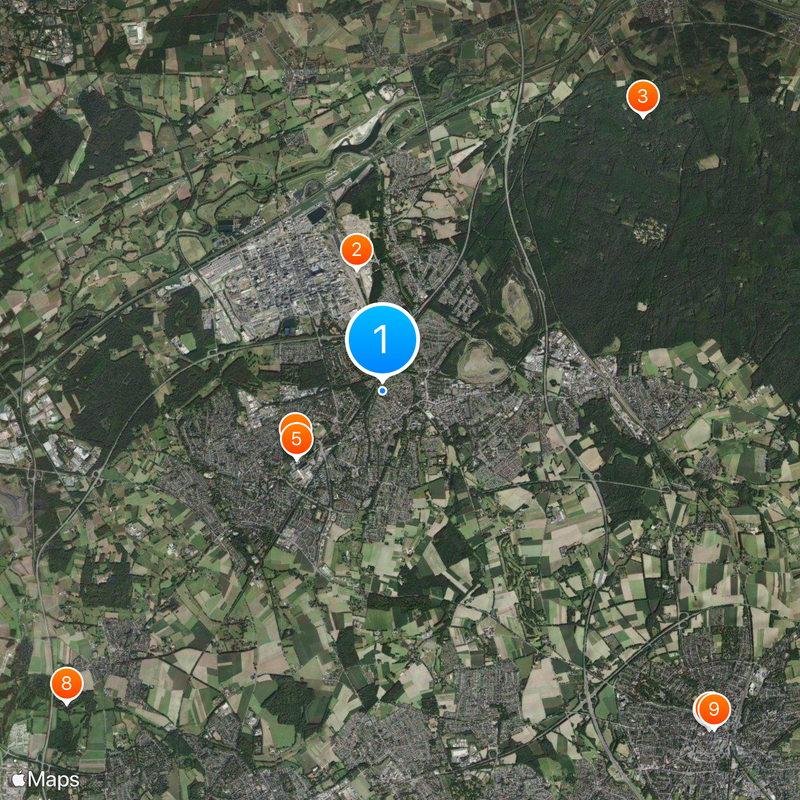
Marl is a large town in Recklinghausen district in North Rhine-Westphalia, situated between Haltern am See and Gelsenkirchen. The town divides into eleven districts with different types of development, from postwar housing estates to newer residential areas at the edge.
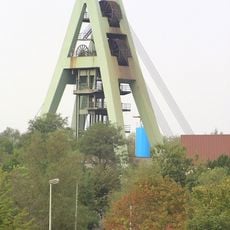
The village was first mentioned in writing in the year 890 and remained a small farming settlement until the late 1800s. With the foundation of Auguste Victoria mine in 1898, rapid industrialization began, transforming the place into a mining town within a few decades.
The name comes from Old High German and means swamp or bog, which refers to the original landscape. The city still shows its mining past today, even though the last mine closed in 2001.
The town is easy to reach by train and lies on the main route between Münster and the Ruhr area. Most sights and public facilities are in the center or reachable by bus.
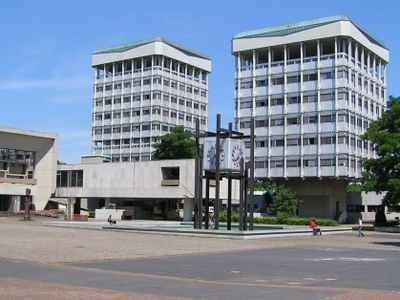
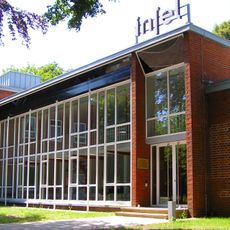
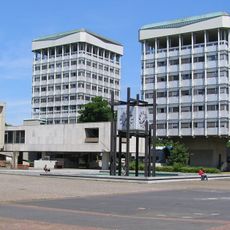
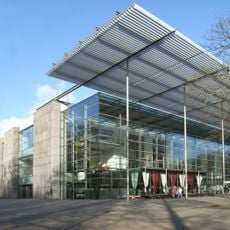
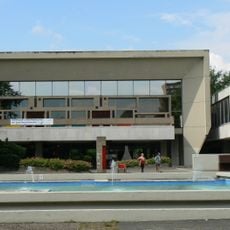
The Skulpturenmuseum Glaskasten displays contemporary art in a modern building with glass walls, standing right next to the town hall. The name of the museum takes the transparent construction literally and makes exhibitions partly visible from outside as well.
The community of curious travelers
AroundUs brings together thousands of curated places, local tips, and hidden gems, enriched daily by 90,776 contributors worldwide.