Köngen, municipality in Germany
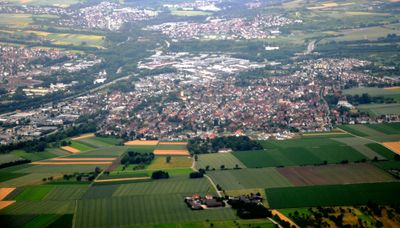
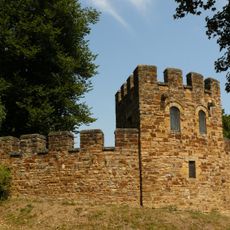
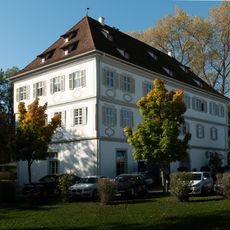
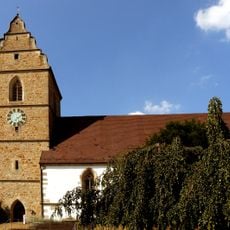
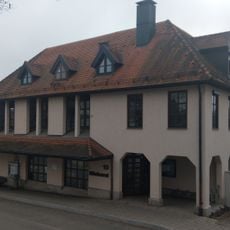
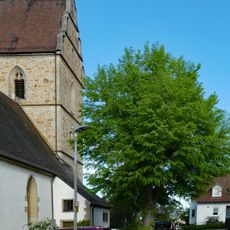
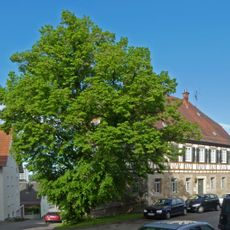
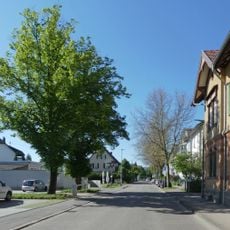
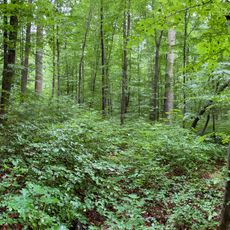
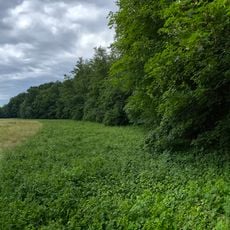
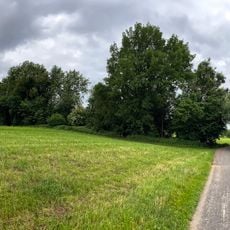
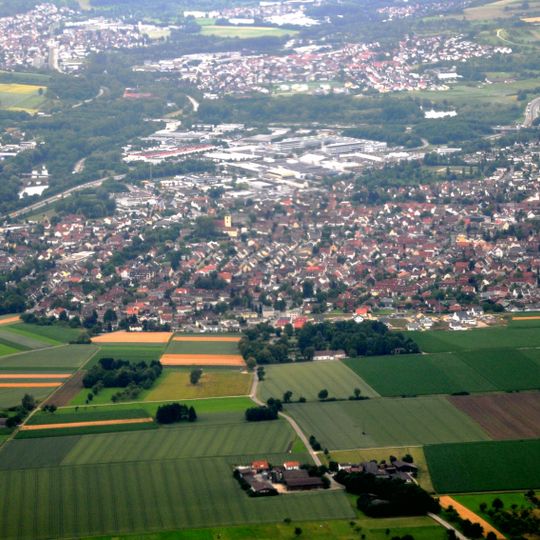
Köngen is a small municipality in the Esslingen region that spreads gently along the Neckar river valley on a sloped landscape. The town contains old brick houses, the Peter and Paul church with its tall steeple, a castle with Renaissance-style walls, and modern residential areas mixed with surrounding fields and forests.
Köngen's roots reach back to a Roman fort called Grinario built around 100 AD along an important trade route. After Rome fell, the Alemanni people settled the area, and the town later passed through the hands of noble families like the Lords of Thumb von Neuburg before becoming part of Württemberg in 1739.
The town's name likely comes from the Roman settlement Grinario that once stood here. Local festivals and markets bring people together to share traditions and food, keeping the community's sense of belonging alive through these regular gatherings.
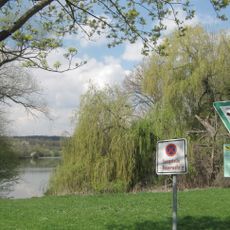
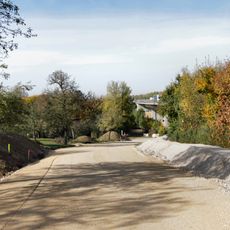
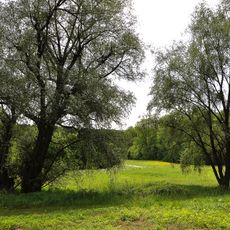
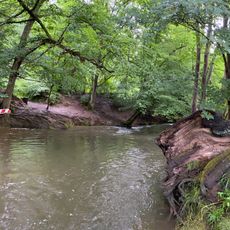
Köngen is well connected by roads and public transport, making it easy to reach larger cities like Stuttgart and Esslingen. The town is walkable for those exploring the historic areas and nature trails, with good access to protected wetlands and wildlife habitats nearby.
A local legend tells of a large church bell buried during wartime for safekeeping, which was later supposedly unearthed by pigs rooting in the ground. This story is part of the town's identity and appears on its coat of arms as a silver bell, reminding residents of this curious chapter.
The community of curious travelers
AroundUs brings together thousands of curated places, local tips, and hidden gems, enriched daily by 91,803 contributors worldwide.