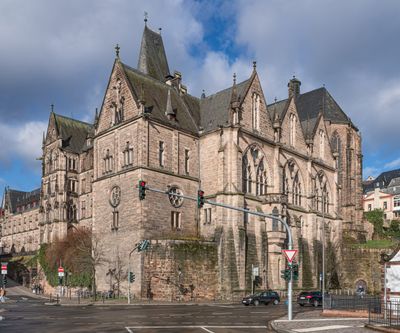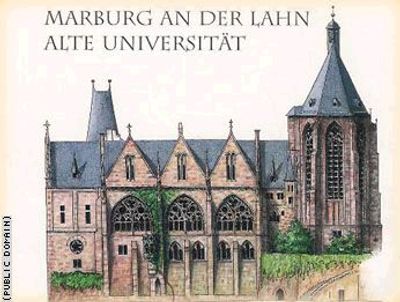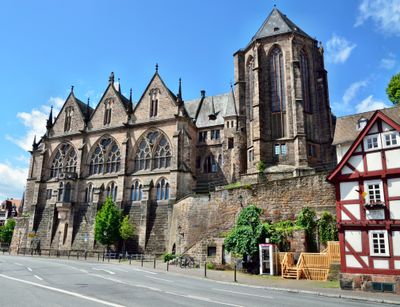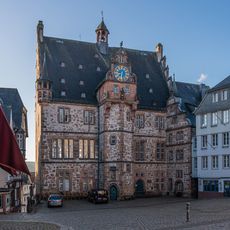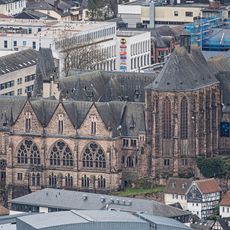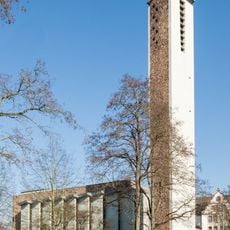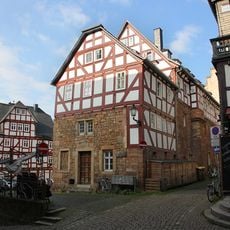
University of Marburg, Public university in Marburg, Germany.
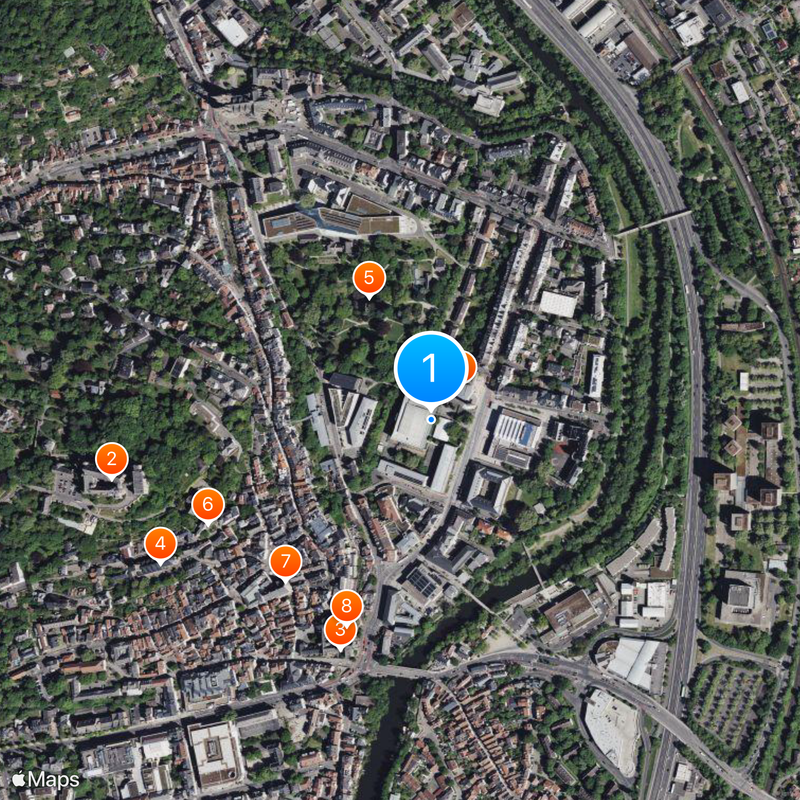
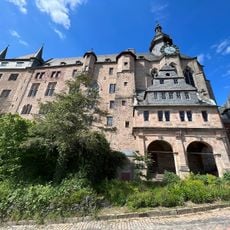
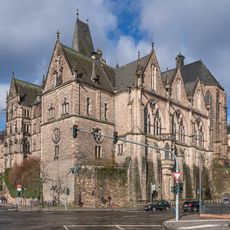
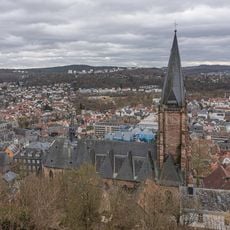
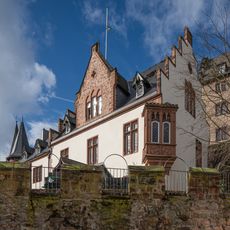
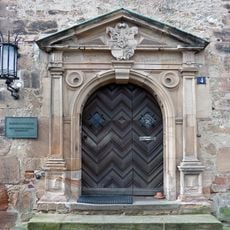
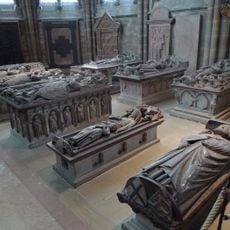
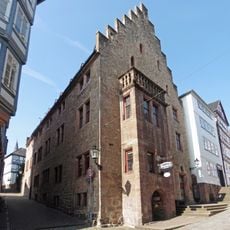
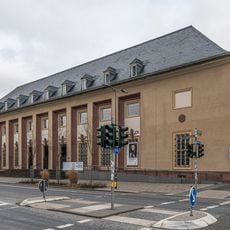
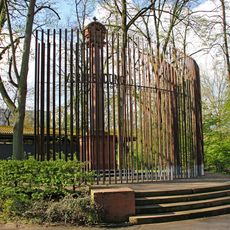
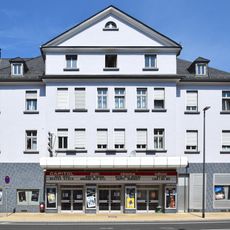
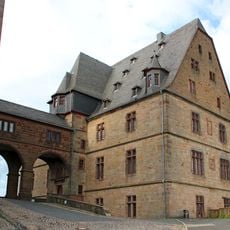
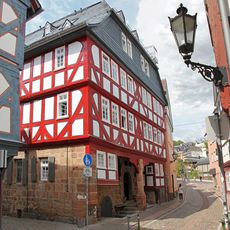
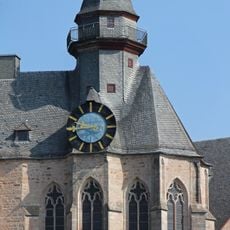
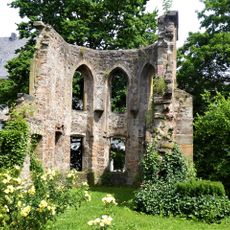
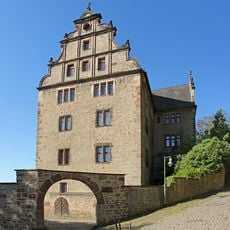
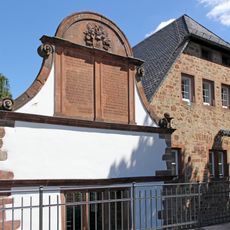
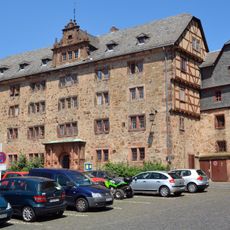
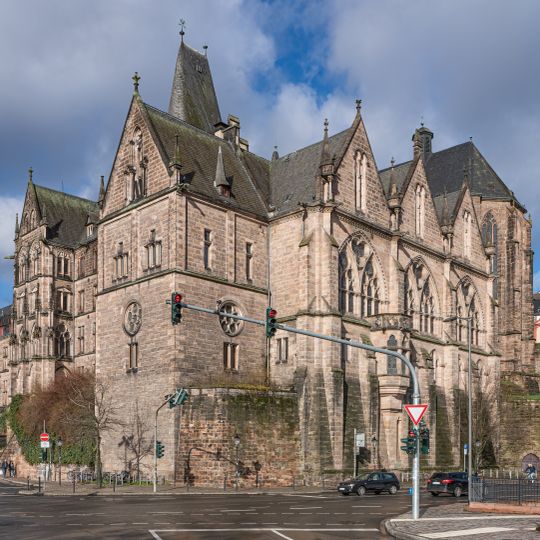
The University of Marburg is a comprehensive and public institution whose buildings dot the entire old town, housing faculties for medicine, natural sciences, humanities, and social sciences. Its libraries, laboratories, and lecture halls occupy both historic houses and modern constructions that shape the city skyline.
Landgrave Philip I of Hesse founded the institution in 1527, making it the world's first Protestant university. Chemistry received its own professorship here in 1609, the first of its kind anywhere, which helped establish the institution's scientific reputation.
The university name honors Philip the Magnanimous, the landgrave whose Protestant beliefs shaped its founding principles and still influence its open approach to learning and research. Students from many countries fill the lecture halls and seminar rooms, while public talks and exhibitions allow visitors to follow current academic work.
The campus spreads across the entire city center, so visitors can walk between buildings and explore the old town structure at the same time. Public areas such as libraries and museums remain open during the day, while lecture halls are typically in use only during term time.
The Museum of Anatomy and Medical History displays preserved organs and medical instruments that offer insight into the development of medicine. The Chemicum, a dedicated chemistry museum, opened in 2012 and documents the long tradition of the discipline at this institution.
The community of curious travelers
AroundUs brings together thousands of curated places, local tips, and hidden gems, enriched daily by 92,316 contributors worldwide.