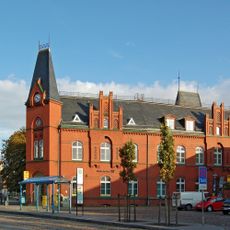
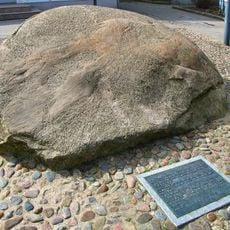
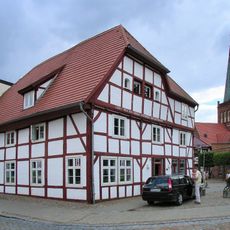
Rügen, District in Mecklenburg-Western Pomerania, Germany.
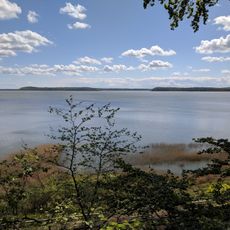
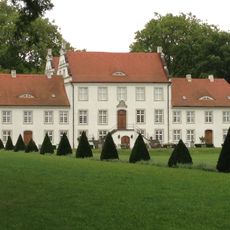
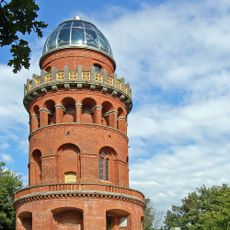
Rügen is a large island district off the coast of Mecklenburg-Western Pomerania that extends into the Baltic Sea and is defined by several peninsulas. The landscape includes broad sandy beaches, lagoons, open bays, and dramatic coastal cliffs in many locations.
The island was first settled during the Stone Age, later developing into the kingdom of the Slavic Rani tribe until Danish conquest in 1168. This event marked the shift toward Germanic influence and eventually led to integration into the Pomeranian region.
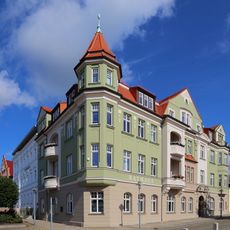
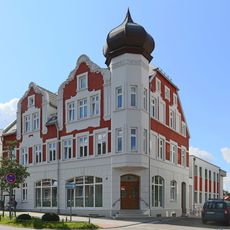
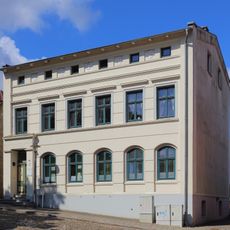
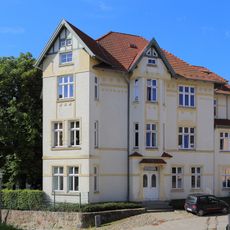
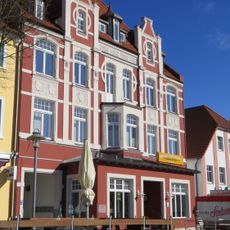
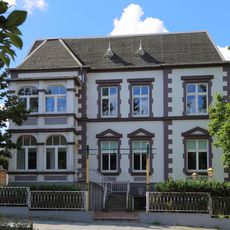
The name Rügen comes from the Slavic word meaning "rough," reflecting the island's original character. Today fishing villages and spa-style architecture shape how people experience the island through its charming harbor towns.
Visitors reach the island from the port city of Stralsund via the Rügen Bridge or the causeway crossing the Strelasund. Being prepared for changeable weather is recommended since the island faces the open Baltic Sea.
The narrow-gauge Rasender Roland steam railway links the main towns on the island and operates with original historic locomotives. Train enthusiasts get an authentic travel experience from an earlier era.
The community of curious travelers
AroundUs brings together thousands of curated places, local tips, and hidden gems, enriched daily by 92,743 contributors worldwide.