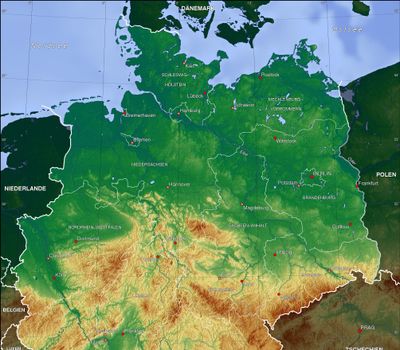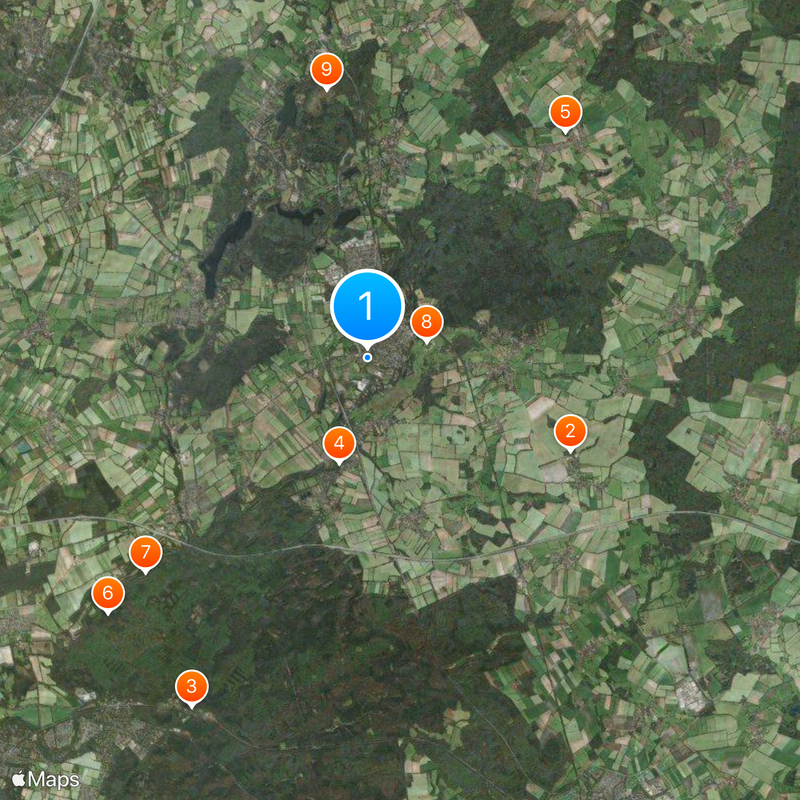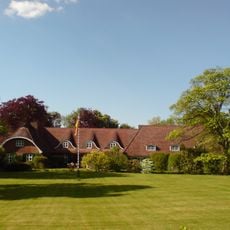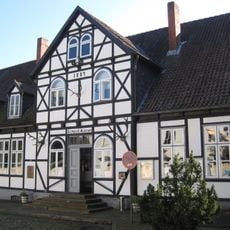
North German Plain, Extensive lowland region in northern Germany.
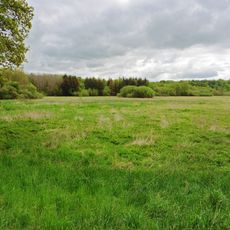
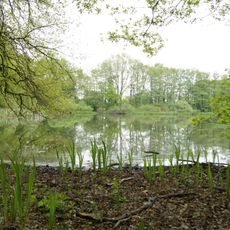
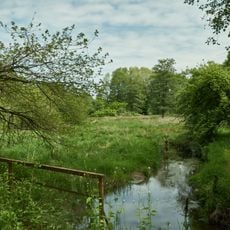
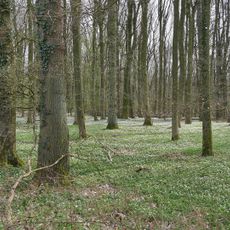
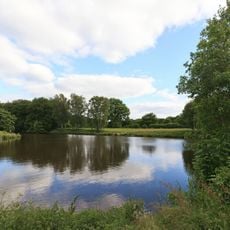
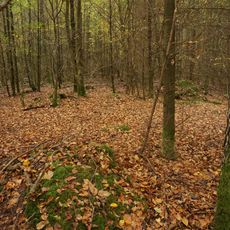
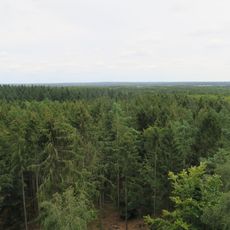
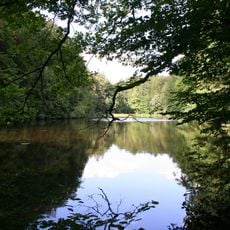
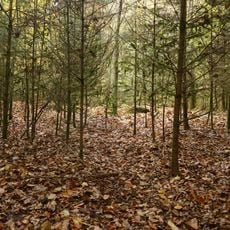
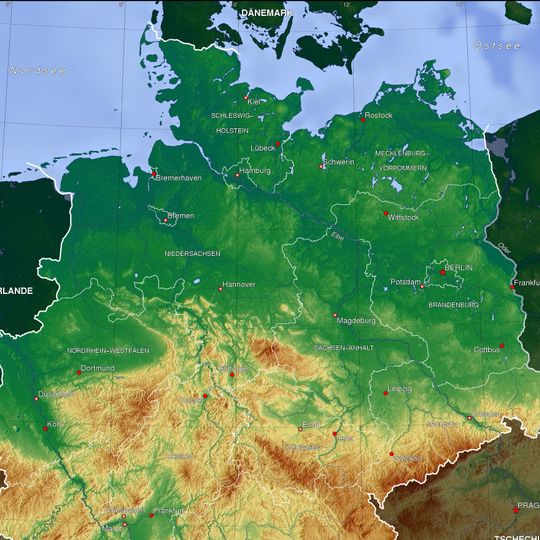
The North German Plain is a large flat region in northern Germany, reaching from the North and Baltic Sea coasts to the Central German Uplands. The land features moraines, heaths, river valleys, and wetlands formed by ice age glaciation.
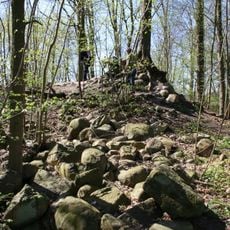
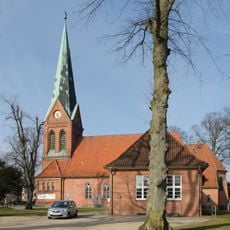
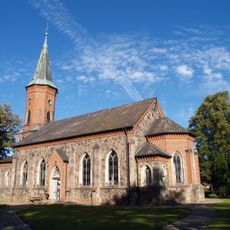
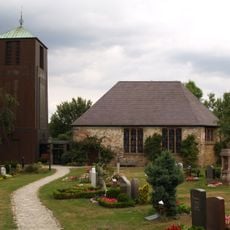
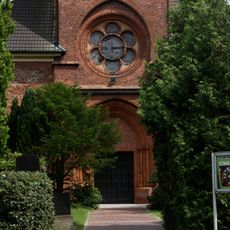
During the last ice age, Scandinavian glaciers pushed gravel and sand southward, shaping the relief of the region. After the ice retreated, erratic boulders and moraine ridges remained, later used in medieval church construction.
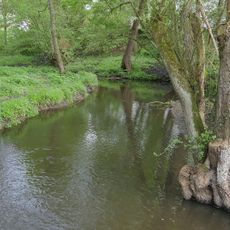
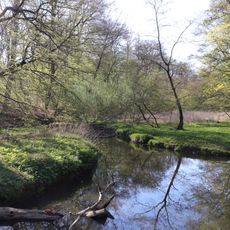
The Elbe and Weser rivers flow from south to north through the lowland, linking inland areas with the coast. For centuries, settlers used these waterways for trade and transport, giving rise to small harbors and market towns along the banks.
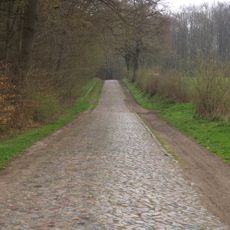
The best views are from raised moraine hills and riverside promenades along the major rivers. Wide fields and flat paths make exploring by bicycle or on foot comfortable and easy.
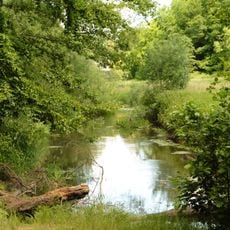
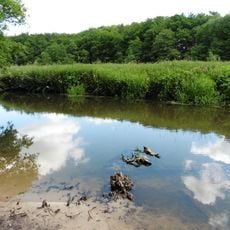
Some rivers cross the plain in wide, shallow beds that flood broad floodplain areas during high water. These flood zones create habitats for migratory birds, which stop here twice a year to rest and feed.
The community of curious travelers
AroundUs brings together thousands of curated places, local tips, and hidden gems, enriched daily by 91,137 contributors worldwide.