Werne, Historical Hanseatic municipality in Unna district, Germany.
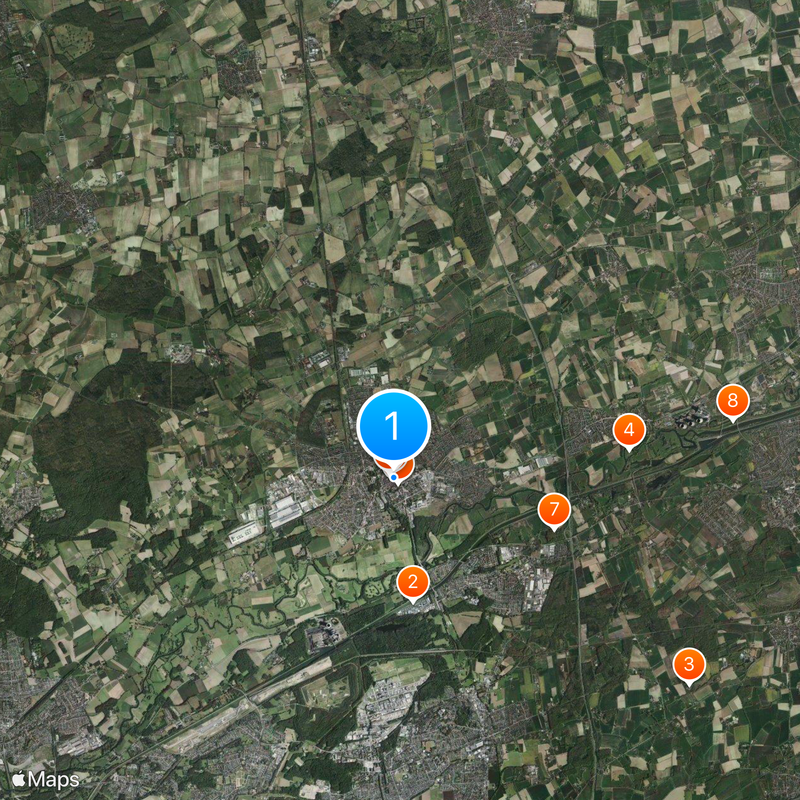
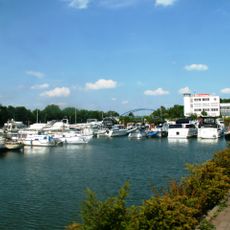
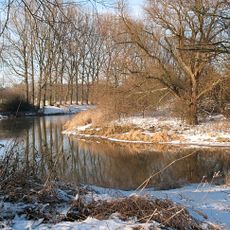
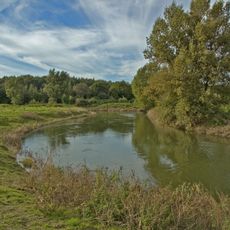
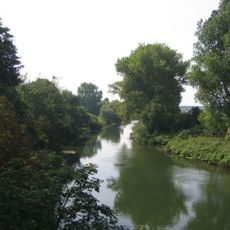
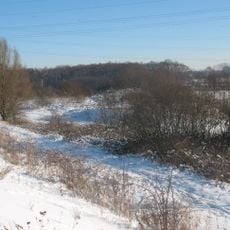
Werne is a medium-sized town in the Unna district at the southern edge of the Münsterland region in North Rhine-Westphalia. The Lippe river runs through it, shaping both the layout of streets and the surrounding landscape.
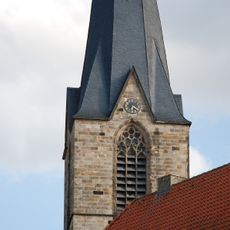
A Benedictine monk named Liudger built a chapel near the Lippe river around 834, marking the start of settlement at this location. This early church grew into a trading center that later became a Hanseatic town.
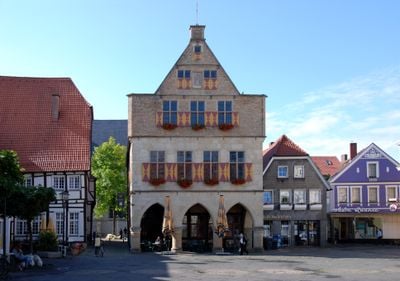
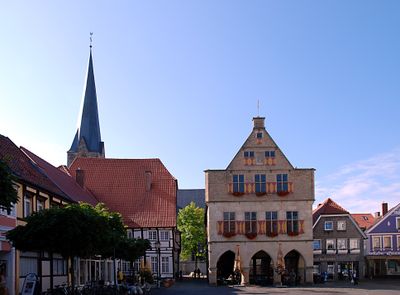
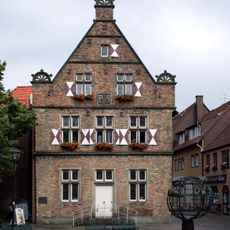
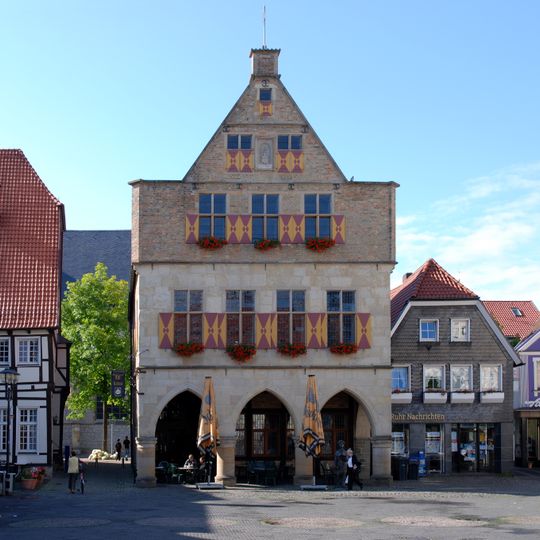
The town hall displays clear features from the Hanseatic period, with its distinctive gabled roofline overlooking the central square. This architectural style shapes how visitors experience the heart of town today.
The town center is easy to walk around with a clear layout that leads naturally to the main square. Information for visitors is best found at local tourist information points or at registration offices in the center.
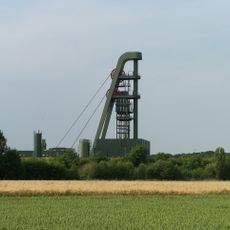
Coal mining from 1899 to 1975 was the backbone of the local economy and shaped the lives of entire generations. The closure of the mines marked a major turning point that forced the town to reinvent itself.
The community of curious travelers
AroundUs brings together thousands of curated places, local tips, and hidden gems, enriched daily by 91,344 contributors worldwide.