
St. Hedwig's Cathedral, Catholic cathedral in Mitte district, Berlin, Germany.
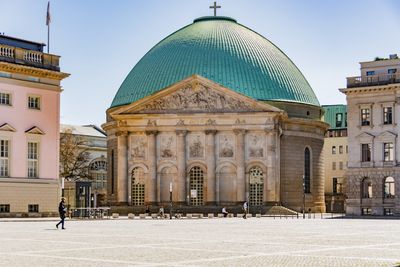
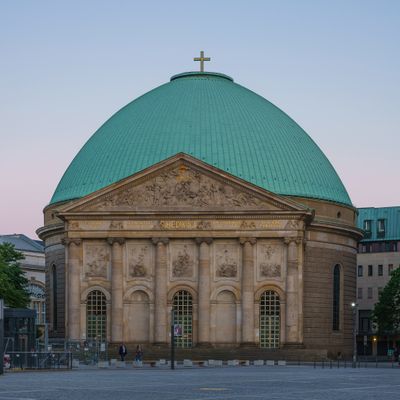
St. Hedwig's Cathedral is a cathedral in Berlin's Mitte district built from brick with neoclassical design. The structure features a prominent dome and displays both classical and baroque architectural elements in its composition.
The cathedral was built between 1747 and 1773 on order of Frederick the Great and was the first Catholic church constructed in Protestant Prussia following the Reformation. This structure marked a significant shift in the region's religious tolerance.
The cathedral is named after Saint Hedwig of Silesia, a revered patroness. Visitors can experience the space as an active place of worship where the community still gathers regularly for prayer and celebration.
The cathedral is open to visitors with free access to the interior, where you can view the architecture and altar at your own pace. Those using wheelchairs can reach the building and explore inside without difficulty.
The modern altar in the cathedral is composed of small stones contributed by parishioners, forming a symbol of community in worship. This composition by an Austrian artist reflects the personal dedication of the faithful.
Location: Bezirk Mitte von Berlin
Inception: 1747
Architects: Georg Wenzeslaus von Knobelsdorff
Architectural style: Neoclassical architecture
Accessibility: Accessible en fauteuil roulant
Inscription: FEDERICI REGIS - CLEMENTIAE MONUMENTUM - S HEDWIGI S - A.M. QUIRINUS S.R.E. CARD: - SUO AERE PERFECIT.
Made from material: brick
Address: Hinter der Katholischen Kirche
Opening Hours: Lundi-Samedi 10:00-17:00; Dimanche 13:00-17:00; Jours fériés off
Phone: +493030877980
Website: http://hedwigs-kathedrale.de
GPS coordinates: 52.51583,13.39472
Latest update: December 13, 2025 15:10
Berlin has many stories beyond its famous attractions. This collection shows places where the city's complex history comes alive through creative reuse and unexpected discoveries. The old Tempelhof Airport is now a sprawling public park where people jog and cycle on former runways. Teufelsberg rises...
More than thirty years after its fall, the Berlin Wall still shapes the city. Between the districts of Mitte, Prenzlauer Berg, and Friedrichshain, fragments of concrete, watchtowers, and memorial plaques recall the division of a capital and its people. Some sections remain intact, others have been...

Berlin State Opera
93 m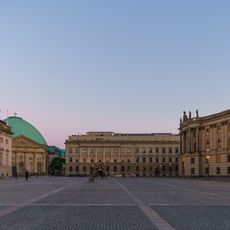
Bebelplatz
84 m
Book burning memorial at Bebelplatz
93 m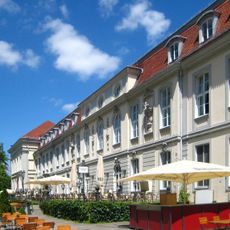
Prinzessinnenpalais
151 m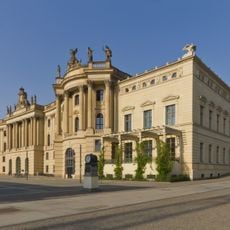
Alte Bibliothek
115 m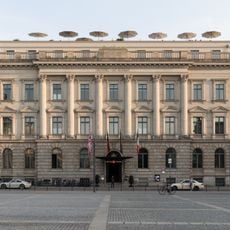
Rocco Forte Hotel De Rome
45 m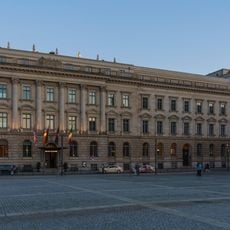
Dresdner Bank building
73 mSchinkel Pavillon
153 m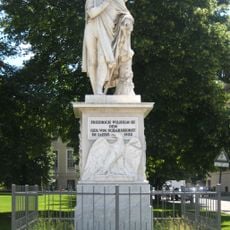
Memorial Gerhard von Scharnhorst
153 m
Wohn- und Geschäftshaus Mendelssohn
154 m
Mendelssohn Palace
168 m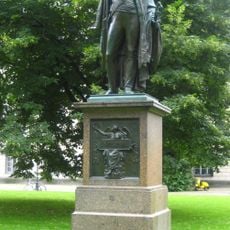
Memorial August Neidhardt von Gneisenau
102 m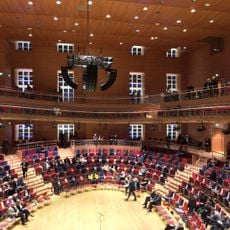
Pierre Boulez Saal
129 m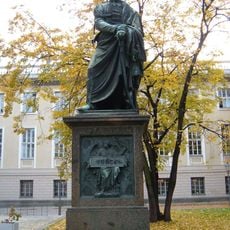
Memorial Johann David Ludwig Yorck von Wartenburg
117 m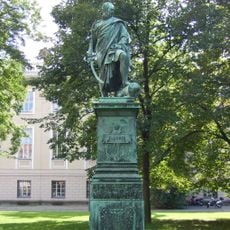
Blücher memorial
108 m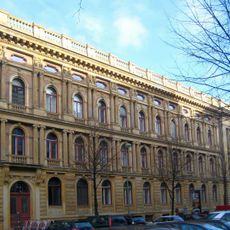
Generaltelegrafenamt
152 m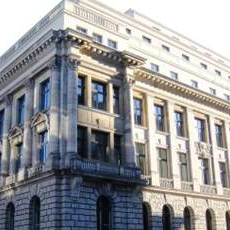
Qualitäts-Management-Center des Verbandes der Automobilindustrie
103 m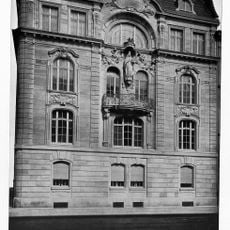
Propsteigebäude St. Hedwig (Berlin)
60 m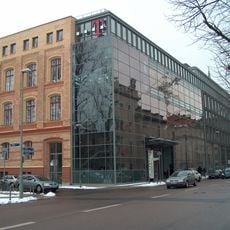
Telekom Hauptstadtrepräsentanz
144 m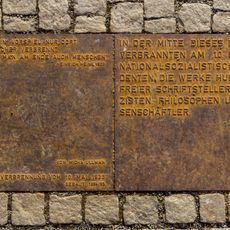
Plaque at Bebelplatz book burning memorial
100 m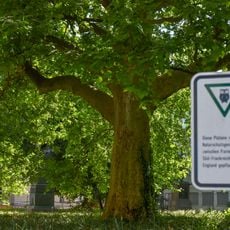
Platane Bebelplatz
126 m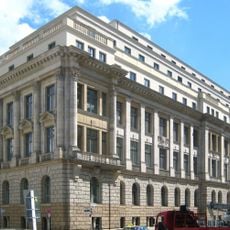
Pommersche Hypotheken-Aktienbank & Immobilien-Verkehrsbank
98 mStandbild General Gebhard Leberecht von Blücher
105 mWohn- und Geschäftshaus Französische Straße 32
112 mVerwaltungs- und Magazingebäude der Staatsoper Hinter der Katholischen Kirche 1-2, Bebelplatz, Französische Straße 33D-E, Oberwallstraße 3-4
93 mWohnkomplex mit Transformatorenstation Markgrafenstraße 39-41, Französische Straße 27-29, Jägerstraße 56
154 mCommemorative plaque, memorial
100 mMemorial, commemorative plaque
85 mVisited this place? Tap the stars to rate it and share your experience / photos with the community! Try now! You can cancel it anytime.
Discover hidden gems everywhere you go!
From secret cafés to breathtaking viewpoints, skip the crowded tourist spots and find places that match your style. Our app makes it easy with voice search, smart filtering, route optimization, and insider tips from travelers worldwide. Download now for the complete mobile experience.

A unique approach to discovering new places❞
— Le Figaro
All the places worth exploring❞
— France Info
A tailor-made excursion in just a few clicks❞
— 20 Minutes