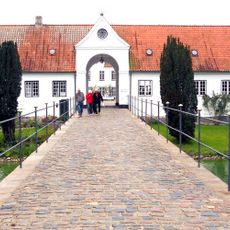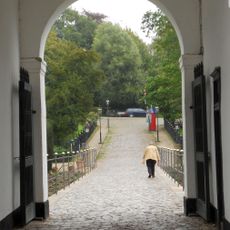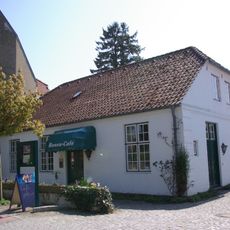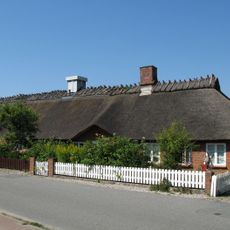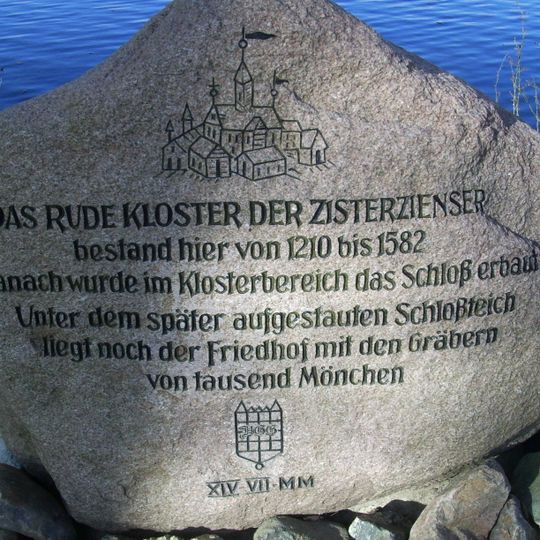
Ryd Abbey, Cistercian monastery in Glücksburg, Germany
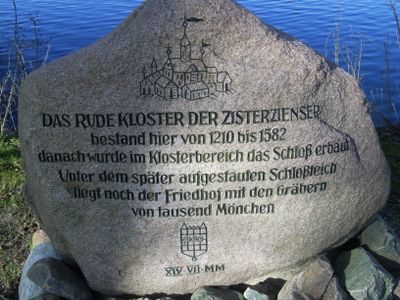
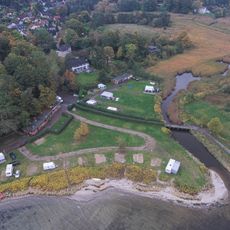
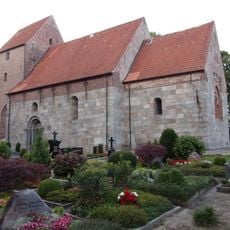
Ryd Abbey was a Cistercian monastery in Glücksburg with buildings arranged across a large area that included the main church, a cemetery, a hospital for the sick, guest accommodations, and farm structures. The layout functioned like a self-contained village where monks had access to everything needed for their religious life and daily routines.
The monastery was founded around 1201 and became an important religious center in the region for several centuries. When Lutheranism spread in the 16th century, the monastery closed, and its stone materials were later repurposed for building a new castle nearby.
The monastery served as a center for recording and preserving historical knowledge during the Middle Ages. The monks here played a significant role in documenting important events and ensuring that information about past times survived for future generations.
The remains of the monastery lie beneath the castle that was built later, so few physical traces are directly visible to visitors. Learning about the site works best by understanding its connection to the castle's history and seeking out the available information about its medieval past.
An abbot of the monastery was accused of murdering a Danish king by poisoning his communion wine, and he fled to escape justice. This episode reveals how closely monastery life was tied to the political conflicts and intrigues happening in the wider world.
The community of curious travelers
AroundUs brings together thousands of curated places, local tips, and hidden gems, enriched daily by 92,634 contributors worldwide.