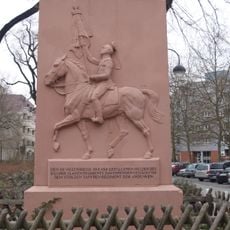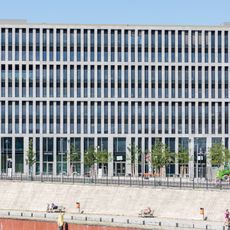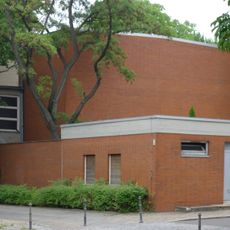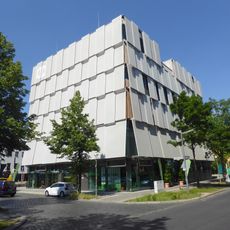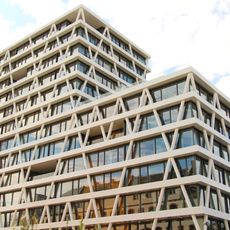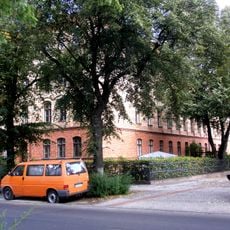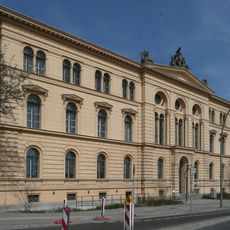
Zellengefängnis Lehrter Straße, bâtiment de l'arrondissement de Mitte, Berlin, Allemagne
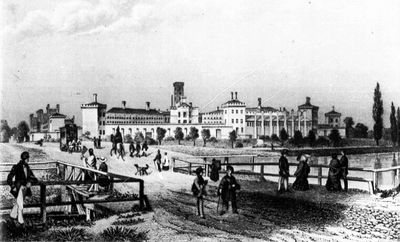
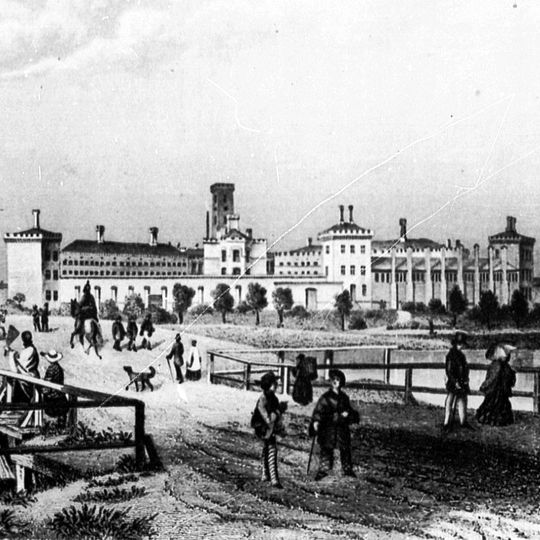
Zellengefängnis Lehrter Straße was a prison with individual cells in Berlin's Mitte district, built on the Panopticon principle. The facility used a central structure from which guards could observe all inmates without being seen themselves.
The prison was founded in the 1800s as a model for humane criminal justice, yet followed the controlling Panopticon design. After World War II, the facility deteriorated and was eventually demolished.
The prison represented modern justice thinking of the 1800s and shaped how Berliners understood order and control. Visitors today can sense from the remaining walls how this building influenced ideas about security and human dignity.
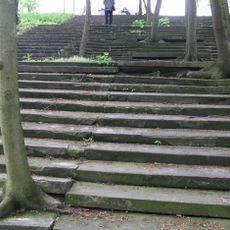
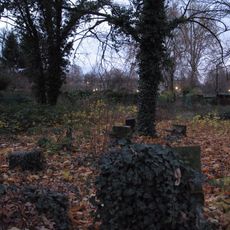
The ruins are located near Berlin's main train station and are partially accessible from outside, with some areas preserved or reconstructed. The best time to visit is during daylight hours, when lighting conditions help you understand the structure.
The building was based on ideas from English philosopher Jeremy Bentham and his Panopticon concept, which allowed surveillance without visibility. This revolutionary design was later copied in many prisons worldwide.
The community of curious travelers
AroundUs brings together thousands of curated places, local tips, and hidden gems, enriched daily by 92,754 contributors worldwide.