Zoo Osnabrück, Zoo in Osnabrück, Germany
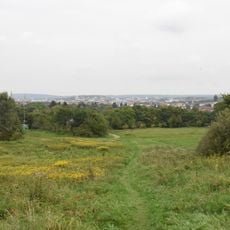
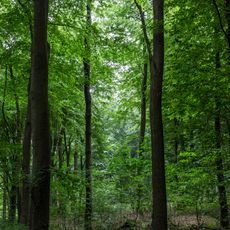
Zoo Osnabrück occupies a hilly, wooded site on the slopes of the Schölerberg, which is why it is also called the forest zoo. Its 23.5 hectares are divided into themed landscapes grouping animals of the same habitat, among them the two Africa areas Samburu and Takamanda, a South America area, an Asian temple landscape modelled on Angkor Wat, the underground zoo, the taiga landscape Kajanaland and the Manitoba area. The Museum am Schölerberg is attached to the zoo.
Founded in July 1935 as Heimattiergarten by a donors' association, the zoo opened on 26 July 1936 with a badger, a fox and a bear. Renamed Tiergarten in 1947 and Zoo Osnabrück in 1970, it added its first elephant house in 1960 and received the Indian elephant cow Toni from Circus William Althoff on 17 April 1961. A fire in January 1978 destroyed the warm house.
The zoo's name changed from Heimattiergarten to Tiergarten in 1947 and to Zoo Osnabrück in 1970. A zoo school opened on 11 September 1975, started by director Paul Andreae and Klaus Hinrichs of the Pädagogische Hochschule, with Helga Rademacher teaching. Since 2015 the zoo has kept the largest breeding group of drills within the European Endangered Species Programme.
The zoo lies on the wooded, hilly slope of the Schölerberg, so paths climb and descend between the themed areas; sturdy shoes help. The grounds were extended south toward the A30 for the Takamanda area, and the main entrance with the administration and the Museum am Schölerberg is in the 1986 entrance complex.
In March 2017 the hybrid bear Tips escaped from the Kajanaland enclosure; about 4,000 visitors were led into animal houses, and the bear was shot after injuring a keeper. Tips and her brother Taps, born at the zoo, later gave their names to the Klimatopia exhibition opened in April 2013.
The community of curious travelers
AroundUs brings together thousands of curated places, local tips, and hidden gems, enriched daily by 94,550 contributors worldwide.