Old Cölln, human settlement in Germany
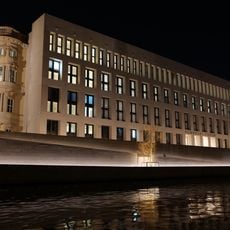
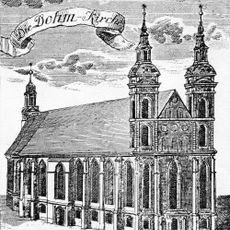
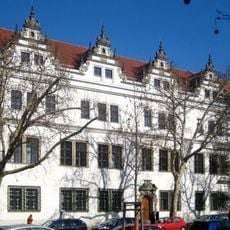
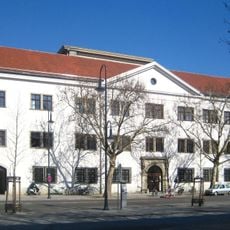
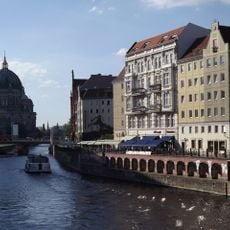
Old Cölln is a historic old town on an island in the Spree River in Berlin and represents one of the city's original settlements. The area features narrow medieval streets, a few remaining houses, and squares like Petriplatz that mark where St. Peter's Church once stood.
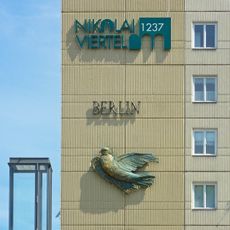
Cölln was first documented in 1237 and developed as a trading city on the Spree during the 13th century. In the 15th century, it came under Brandenburg rule, and in 1710 it officially merged with Berlin to form the new capital.
The name Cölln possibly comes from an old word meaning swamp, or may reflect a connection to the city of Cologne through historic trade ties. Today, original street names like Scharrenstraße and Brüderstraße preserve the medieval pathways that have existed for centuries.
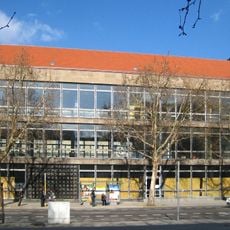
The area is located in central Berlin within the Mitte district and is easily walkable from most parts of the city. Visitors can explore old streets, remaining historic buildings, and several nearby museums to understand the early settlement's development.
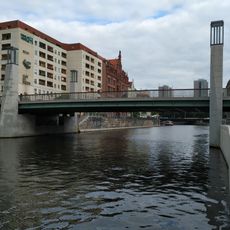
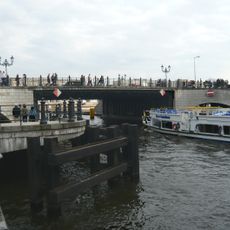
The Jungfernbrücke is Berlin's oldest surviving bridge, built in the late 1700s, yet still used by pedestrians and cars today. It connected Cölln to the other side of the Spree and demonstrates how crucial bridges were to the early city's growth and unity.
The community of curious travelers
AroundUs brings together thousands of curated places, local tips, and hidden gems, enriched daily by 92,759 contributors worldwide.