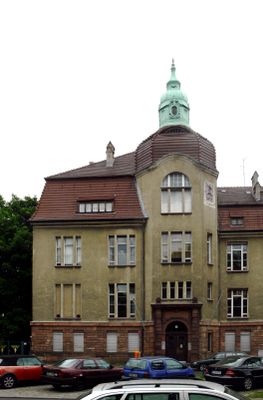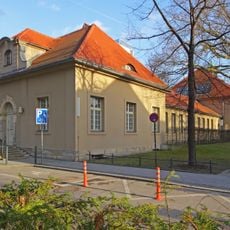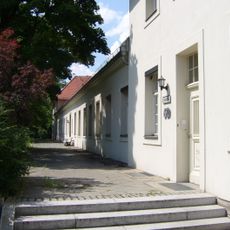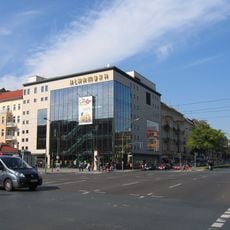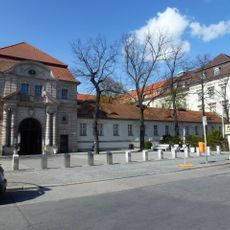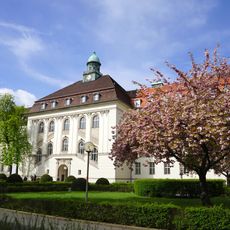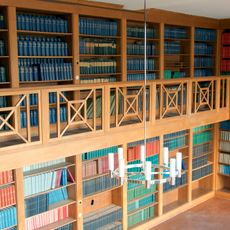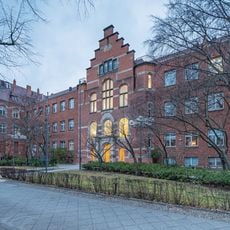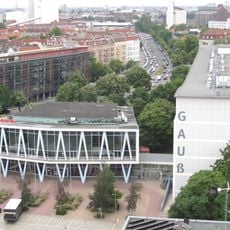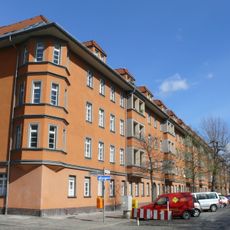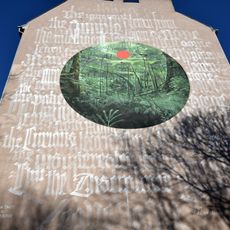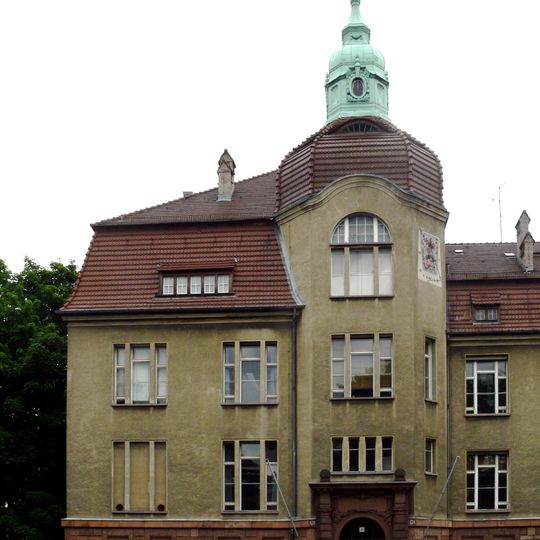
Sugar Museum, Museum dedicated to sugar production history in Wedding, Berlin, Germany.
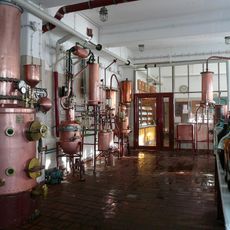
The Sugar Museum showcases comprehensive exhibits about sugar production technology, from biological origins of sugar beets to industrial processing methods and global trade networks throughout centuries.
Established in 1904, the museum documented Berlin's pioneering role in beet sugar development, particularly Andreas Sigismund Marggraf's 1747 discovery and Franz Carl Achard's first commercial production in 1801.
The museum illustrated sugar's profound impact on European society, displaying artifacts showing how sugar transformed from luxury commodity to everyday necessity, influencing art, cuisine, and social customs.
After closing in 2012, the collection was integrated into the German Museum of Technology at Trebbiner Straße 9, where visitors can explore modernized sugar exhibits within broader technological displays.
The museum housed a Japanese spider crab with sugar compound shell and a 300-year-old Bolivian wooden sugar cane mill, demonstrating sugar's unexpected connections across cultures and centuries.
The community of curious travelers
AroundUs brings together thousands of curated places, local tips, and hidden gems, enriched daily by 92,742 contributors worldwide.