Lutherhaus Wittenberg, Reformation museum in Lutherstadt Wittenberg, Germany
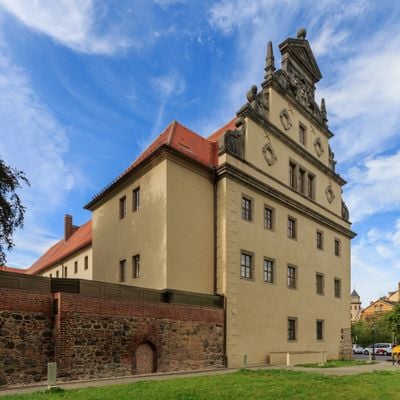
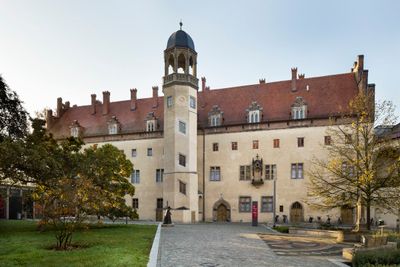
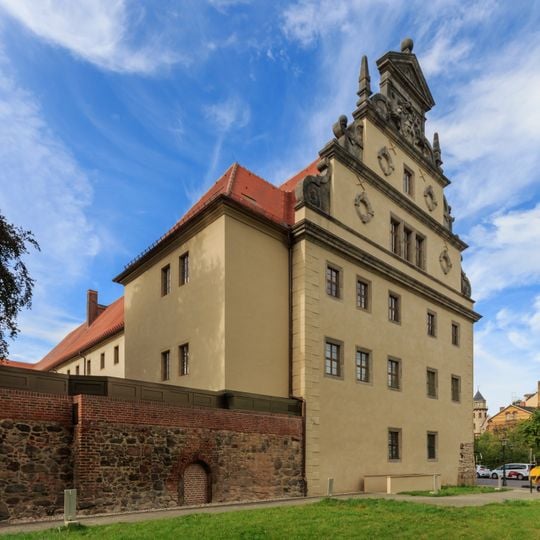
Lutherhaus Wittenberg is a former monastery building that served as Martin Luther's residence and workplace for many decades, where he composed his most important theological works. The building contains multiple exhibition floors displaying original furniture, documents, and possessions that document his life and activities.
The Augustinians received the site by the Elster Gate in 1503 and began building the Black Monastery in 1504. Luther moved into a cell there in 1507, and in 1524 the Electorate of Saxony gave the empty monastery to him and his family. He lived there until his death in 1546, and his heirs sold it back to the university in 1564.
The study where Luther worked displays his personal belongings and desk arrangement, offering a glimpse into his daily routine and scholarly habits. Visitors can see the space as he used it while writing and translating important texts.
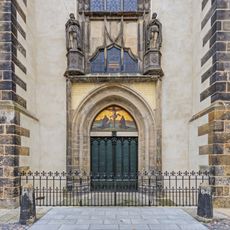
The museum entrance is reached through the portal of the Augusteum on Collegienstraße, which leads into a courtyard that once held the university's botanical garden; Luther's former house stands facing it. The Augusteum itself housed the Protestant seminary until 2012. The Lutherhaus was long known officially as the Lutherhalle before taking its current name.
The museum opened in 1883, initially limited to the second floor and centred on the Lutherstube, Luther's living room. It gradually expanded through the building from 1911. Excavations in 2004 uncovered an old vault, now intended for the museum route.
The community of curious travelers
AroundUs brings together thousands of curated places, local tips, and hidden gems, enriched daily by 93,248 contributors worldwide.