Lutherstadt Wittenberg, Protestant Reformation city in Saxony-Anhalt, Germany.
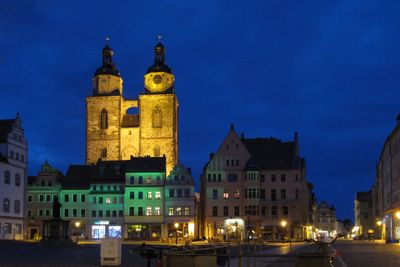
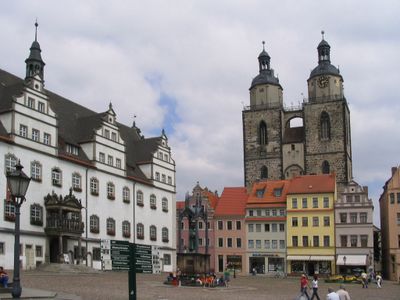
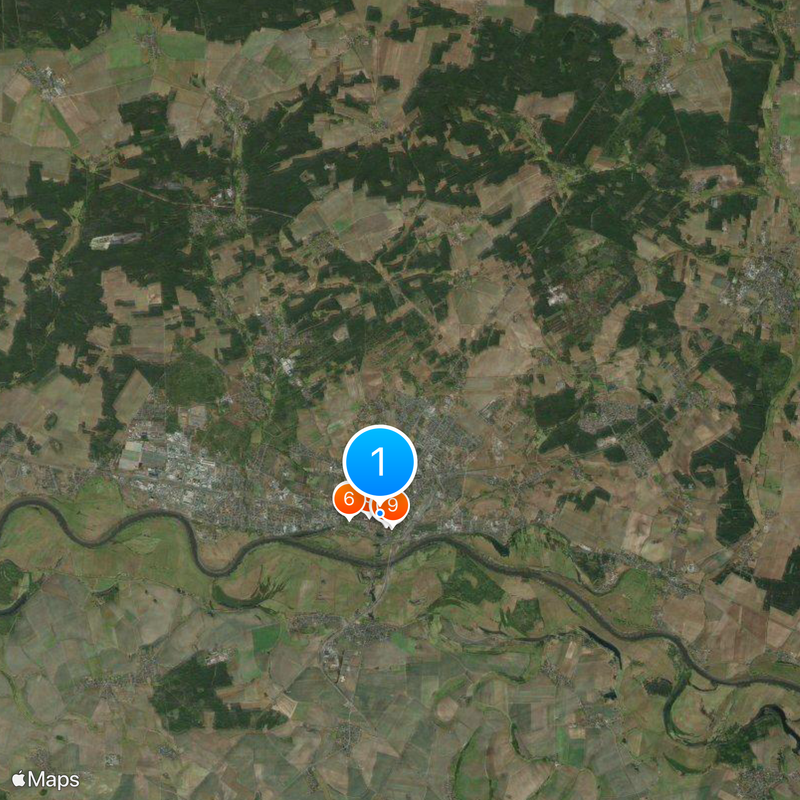
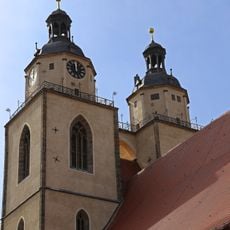
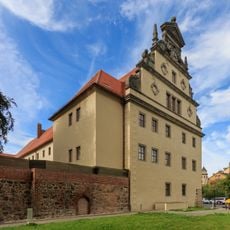
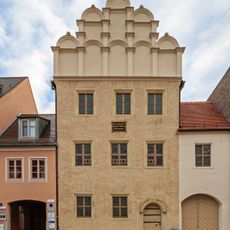
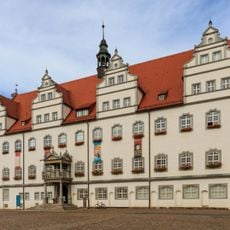
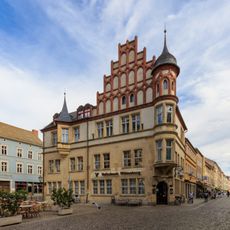
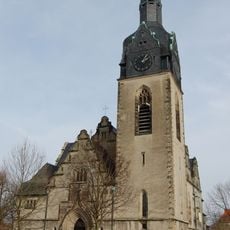
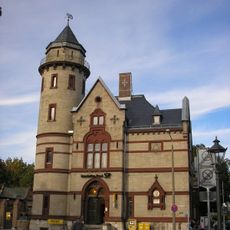
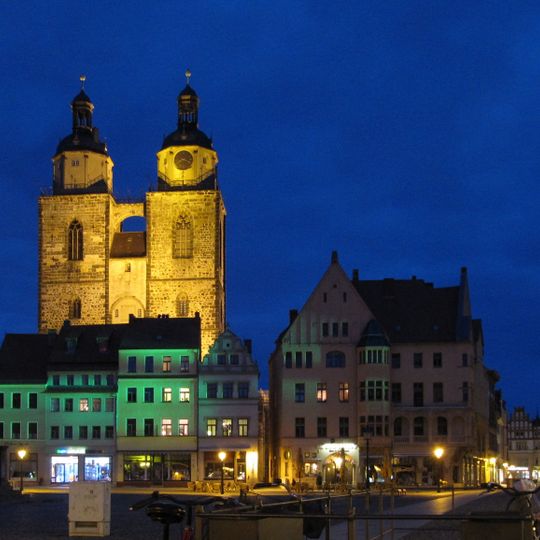
Lutherstadt Wittenberg is a district capital in Saxony-Anhalt along the Elbe River, known for its connection to Protestant reform movements in the 16th century. The old town presents a compact cluster of churches, public buildings, and narrow streets lined with merchant houses from that era.
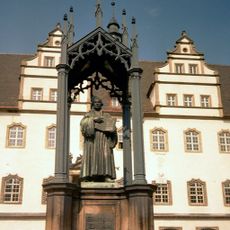
The settlement received town rights in 1293 and grew under Saxon electors into a regional center of learning. In 1517, Martin Luther published his theses here, launching the Protestant Reformation and placing the town at the heart of religious change across Europe.
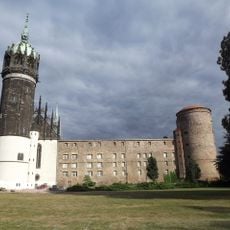
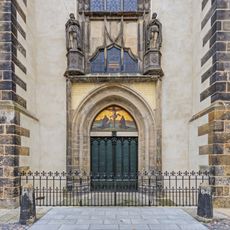
The town center draws visitors to the bronze doors where Luther posted his theses, now a symbol of religious reform. Many shops and restaurants along the cobbled streets still carry names and signs that recall the 16th-century printing trade and theological debates.
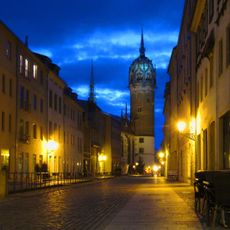
Most sites of interest lie along Collegienstrasse between the castle church and the market, allowing visitors to explore on foot without difficulty. A walk through the old town takes about two hours if you stop at the main buildings and read the information panels.
Many visitors focus on the churches and miss the painted sundials on several gabled houses near the market. These dials date from the 16th and 17th centuries and were once used to tell the time before clocks became common in private homes.
The community of curious travelers
AroundUs brings together thousands of curated places, local tips, and hidden gems, enriched daily by 90,738 contributors worldwide.