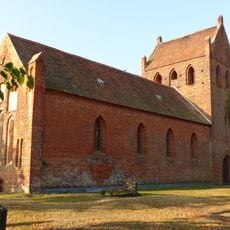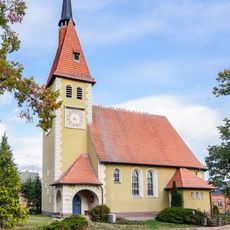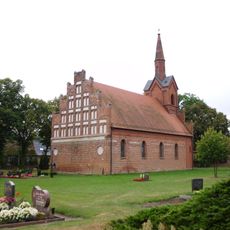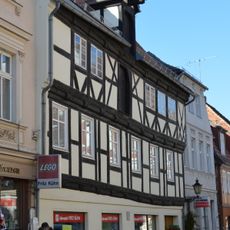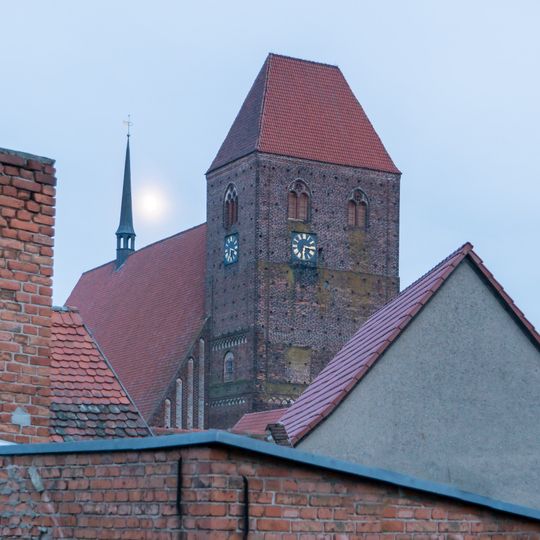
Werben, human settlement in rural district Stendal, Saxony-Anhalt, Germany
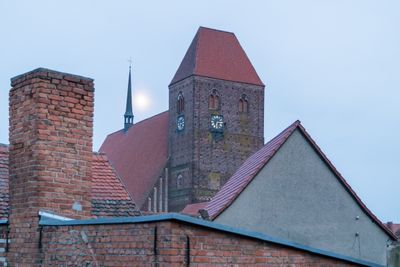
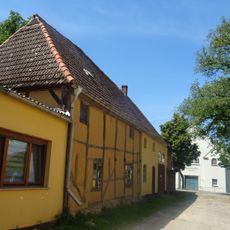
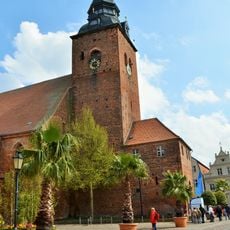
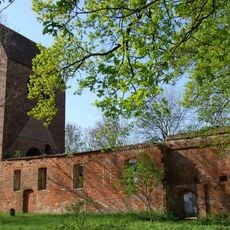
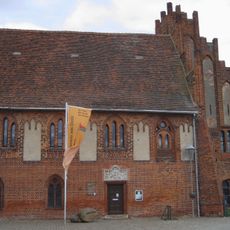
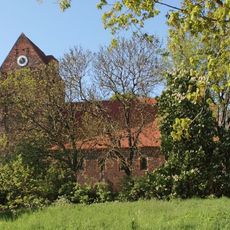
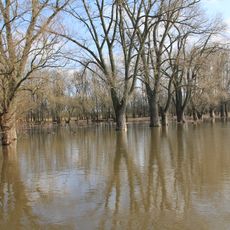
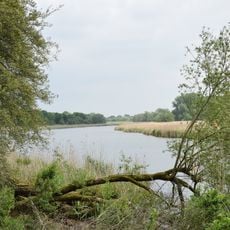
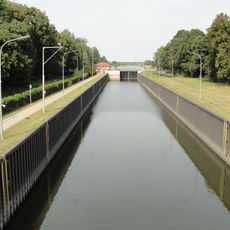
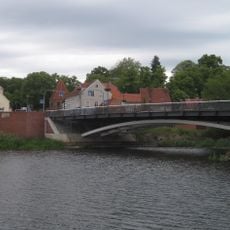
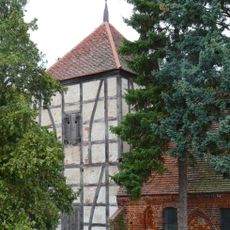
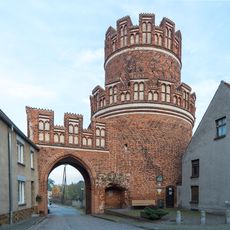
Werben is a small city on the Elbe River in Saxony-Anhalt with about 800 inhabitants, located at a river crossing where the Havel flows into the Elbe. The old town features medieval buildings, narrow streets, and the still-standing Elbe Gate made of red brick, which houses a museum and offers views over the city.
Werben was first mentioned in writing in 1005 when King Henry II negotiated with Slavic princes here, underscoring the strategic importance of the Elbe crossing. The city received city rights in 1151 from Margrave Albert the Bear, became a Hanseatic member in 1358, and suffered Swedish occupation during the Thirty Years' War before being officially recognized as a Hanseatic city in 2010.
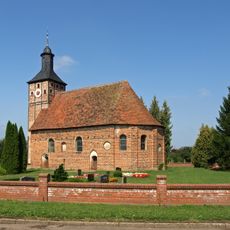
The name Werben comes from old words meaning 'among the willows', referring to the trees that once shaped the landscape. The city is called the Johanniter city because the first Johanniter Commandery in Germany was founded here in 1160, and today storks are a familiar sight in the streets and on the rooftops.
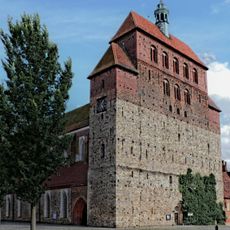
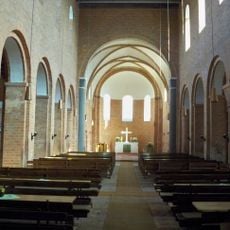
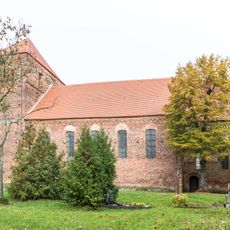
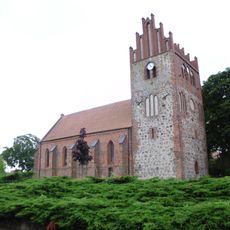
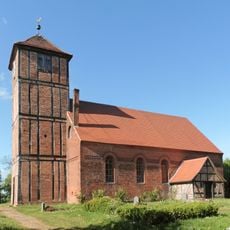
Werben is easy to explore on foot because the old town is compact and the main attractions like the Elbe Gate and St. John's Church are close together. A ferry connects the city with Havelberg on the other side of the river, and visitors can walk on the dikes to enjoy views of the Elbe and the surrounding landscape.
Werben is often called the smallest Hanseatic city in the world because with only about 800 inhabitants today it is very modest in size, yet during the Middle Ages it was very important as part of the great Hanseatic trade network. The city keeps this historical connection alive and shows that importance is not always measured by size.
The community of curious travelers
AroundUs brings together thousands of curated places, local tips, and hidden gems, enriched daily by 90,798 contributors worldwide.